
Let's talk about the break-in period nobody mentions
You ordered a lemon vibrator. You've read the reviews. Everyone says it's a game-changer. You open the box, charge it up, and try it tonight. And it feels... fine. Not transformative. Not what you expected. Maybe you feel a little weird about it, or confused, or like something's wrong with your body.
Here's the thing: nothing is wrong. Your body just needs time to adjust to a completely new kind of stimulation.
Air-suction technology is wildly different from traditional vibration. It doesn't buzz. It pulses. It creates a seal and builds pressure rhythmically. If your body has spent years (or decades) learning to respond to regular vibration, the lemon clitoral vibrator feels like asking your nervous system to learn a new language. And nervous systems are stubborn.
Why some bodies take longer to adjust
There are four main reasons air-suction toys don't always click immediately.
1. Your nervous system is pattern-dependent.
Your body has learned to associate certain sensations with arousal and orgasm. Every previous toy, every previous partner, every previous experience has shaped the pathways in your nervous system. When you introduce something completely different, your brain has to rewire those associations. That takes repetition. For some people, it's three sessions. For others, it's three weeks.
This is not a flaw. It's how adaptation works. A violinist doesn't pick up a piano and sound good on day one.
2. You might be tensing without realizing it.
When something feels unfamiliar, your pelvic floor tightens as a protective reflex. It's your body saying "I don't know what this is, so I'm going to clench." Tension blocks sensation. So you end up trying harder, holding the device tighter, increasing the intensity, and actually making it worse. The more you tense, the less you feel.
This happens especially often in people with a history of anxiety or trauma. But it can happen to anyone encountering something new.
3. The intensity is different, not just the sensation.
Air-suction creates a broader, more diffuse sensation than point-contact vibration. It's less intense in some ways and more intense in others. Your body might respond better to the specific pressure pattern of a traditional vibrator, which means a lemon sexual toy might require a different approach entirely. That doesn't mean the toy is wrong for you. It means you need to adjust your expectations about what stimulation should feel like.
4. You're comparing it to something that took you years to perfect.
If you've already found a method that works reliably, you're measuring the lemon vibrator against a gold standard that took you time to develop. Of course it feels less effective at first. You're comparing day three to year three.
How to actually adjust to air-suction stimulation
If you're in the adjustment phase with a lemon clitoral vibrator, here's what helps.
Start at the lowest setting. Then go lower.
I mean this literally. Many people start on pattern three or four because they think "I need stronger stimulation to feel something." Wrong. Start on pattern one. Spend at least five sessions solely on pattern one. Let your body learn what the sensation is before you add intensity variables. Intensity comes later.
Don't use it as a replacement yet. Use it as an addition.
If you have a method that works, keep doing that. Then add the lemon vibrator for five minutes at the very end, or as foreplay. This removes the pressure of "this has to work right now" and lets your body explore without stakes. Low stakes = less pelvic floor tension = more sensation.
Breathe deliberately. Pelvic floor awareness is half the battle.
Most people hold their breath when they tense without realizing it. Breath and pelvic floor tension are linked. If you're breathing shallowly, your pelvic floor is tight. Before you use the lemon vibrator, take three deep breaths. Exhale completely. Do a quick pelvic floor check: can you relax your vagina fully, or is it gripping? If you're gripping, spend two minutes on breathing and relaxation before you even turn the toy on.
You can also try the "breathe and release" approach while using the device. Inhale for four counts, exhale for four counts, and consciously relax your pelvic floor on the exhale. It sounds basic, but it changes everything.
Adjust your environment and expectations.
Air-suction stimulation often requires more mental presence than vibration does. This is not a flaw. Some people find that air-suction toys work much better when they're not multitasking, not stressed, and not trying to finish quickly. That might sound inconvenient, but it's actually a feature. It forces you to be present with your body.
Track the progression, don't judge it.
Keep a very simple log. "Session one, pattern one, felt like pressure but no pleasure. Session two, pattern one, definitely felt more." You don't need pages. Just something that shows you progression exists. Most people are terrible at noticing gradual change. A log catches it.
The timeline is different for everyone
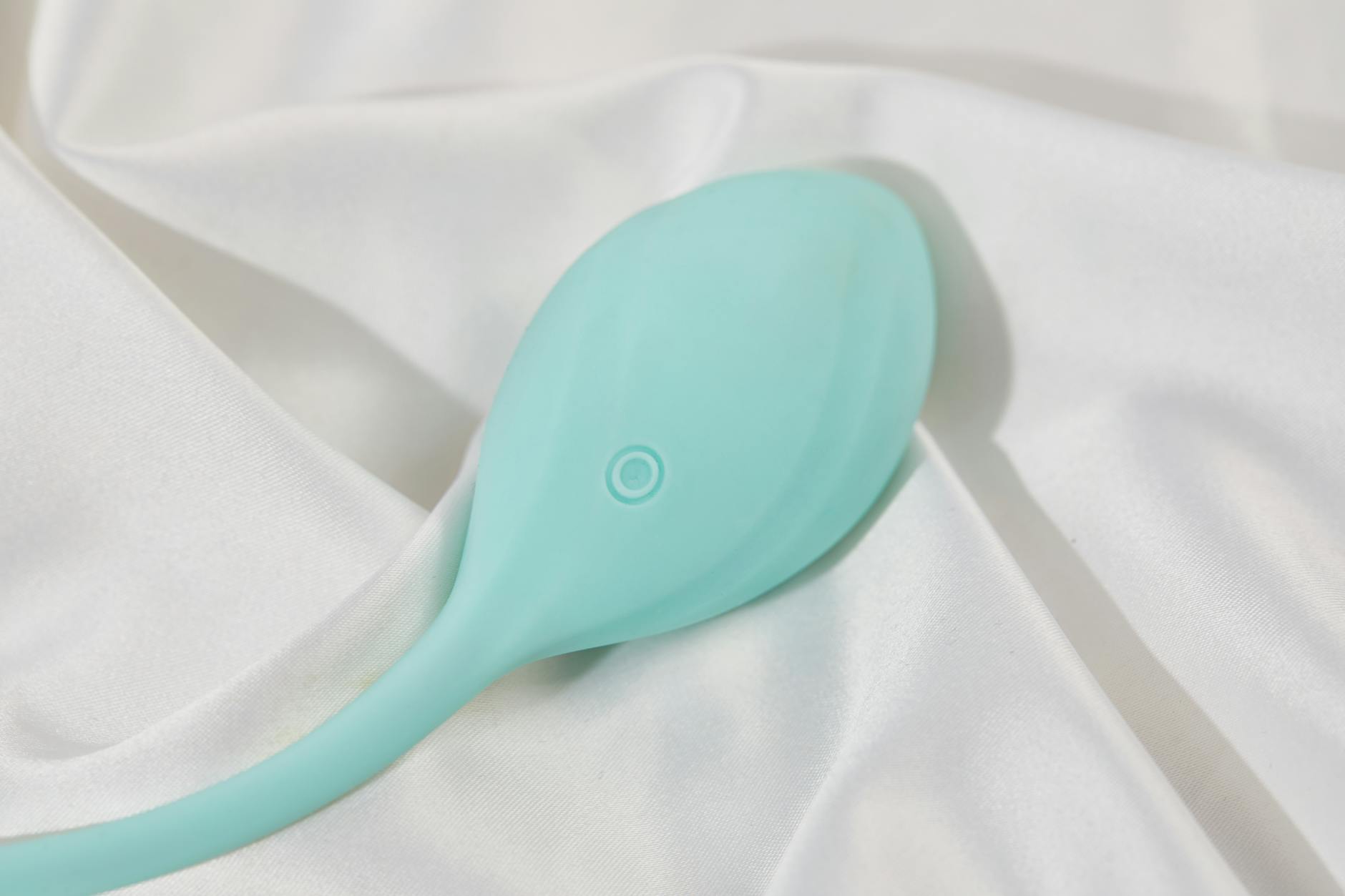
Photo by IFONNX Toys on Pexels
I've worked with people who felt the shift in two sessions. I've also worked with people who took six weeks before the lemon vibrator became their go-to. Both timelines are normal.
What matters is whether you're showing steady small improvements, not whether you're improving fast. If you're genuinely getting zero sensation even after intentional practice, there might be a physical reason. Vulvodynia, nerve damage, medication side effects, or hormonal factors can all affect sensation. That's worth discussing with a doctor, not a reflection of the toy's quality.
But most people in an adjustment period are actually experiencing exactly what they should: gradual neural rewiring.
Why air-suction is worth the adjustment period
Once your body adjusts, most people find that air-suction stimulation offers something traditional vibration doesn't. It tends to feel less fatiguing. It creates a different kind of orgasm for many people. And for folks with sensitivity issues, the lemon vibrator design eliminates the pressure that can cause discomfort with other toys.
The break-in period isn't a bug. It's your nervous system doing exactly what it's supposed to do: learning something new.
When it's not about adjustment
There's a difference between "this needs time" and "this isn't for me." If after six weeks of intentional practice you still feel nothing, that's useful data. Some bodies genuinely respond better to traditional vibration. Some people prefer wand-style stimulation. Some prefer internal toys.
None of those preferences are wrong. But they're different from a normal adjustment period.
If you're unsure whether you're in an adjustment phase or whether the toy simply isn't a match, think about this: Are small improvements happening? Does relaxation and lower intensity feel slightly better than tension and high intensity? Are you starting to anticipate using it again? If yes to any of these, you're adjusting. Keep going.
If none of those feel true, the complete guide to lemon vibrators covers other options that might feel more intuitive to your body.
FAQ
How long should I give a lemon vibrator before deciding it doesn't work?
At least three to four weeks of regular use. That means a few sessions a week, intentional practice, and genuinely trying the lower intensity patterns. One week of sporadic use isn't enough data. Four weeks of steady adaptation is.
Can I use a lemon vibrator if I have low sensation to begin with?
Yes, but you might need medical support too. If you have naturally low sensation in your vulva, that's worth exploring with a doctor first. Once that's ruled out or addressed, the gentle pressure-based approach of a lemon clitoral vibrator often works better than intense vibration.
Why does my lemon vibrator feel different depending on the day?
Your arousal level, stress, hydration, hormonal cycle, and pelvic floor tension all change how sensation feels. This is completely normal and not a sign the toy is broken. Some days you'll need longer warm-up. Some days you'll need lower intensity. Your body isn't a machine.
Should I use lube with my lemon vibrator while adjusting?
Absolutely. Lube changes the sensation and often makes the adjustment smoother. Water-based lube is safest for silicone toys and helps the suction mechanism work more effectively. Don't skip this step.
Is there a difference in adjustment time between the lemon vibrator and other air-suction toys?
Not significantly. Any air-suction toy will have an adjustment period if you're new to the technology. The specifics vary by design, but the fundamental rewiring your nervous system has to do is the same.
What if I'm in a relationship and my partner wants to use the lemon vibrator together?
Start your adjustment period solo. Once you understand how your body responds, introducing a partner variable is easier. Using a lemon vibrator with a partner is a whole different skill set. Master the solo experience first.
The adjustment period is part of the journey
Your body doesn't reject new experiences because it's stubborn. It takes time because that's how learning works. The nervous system rewires through repetition, not through one good session. Every time you try the lemon vibrator with intention, you're teaching your body something new. That's not a problem. That's the whole point.
If you're frustrated with the adjustment timeline, remember this: people spend years with partners finding what works. You're asking your body to find a new sensation in weeks. That's actually pretty fast. Be patient with yourself. The payoff is usually worth it.
Have questions about your adjustment journey? Reach out to our team at Hello Nancy. We're here to help.