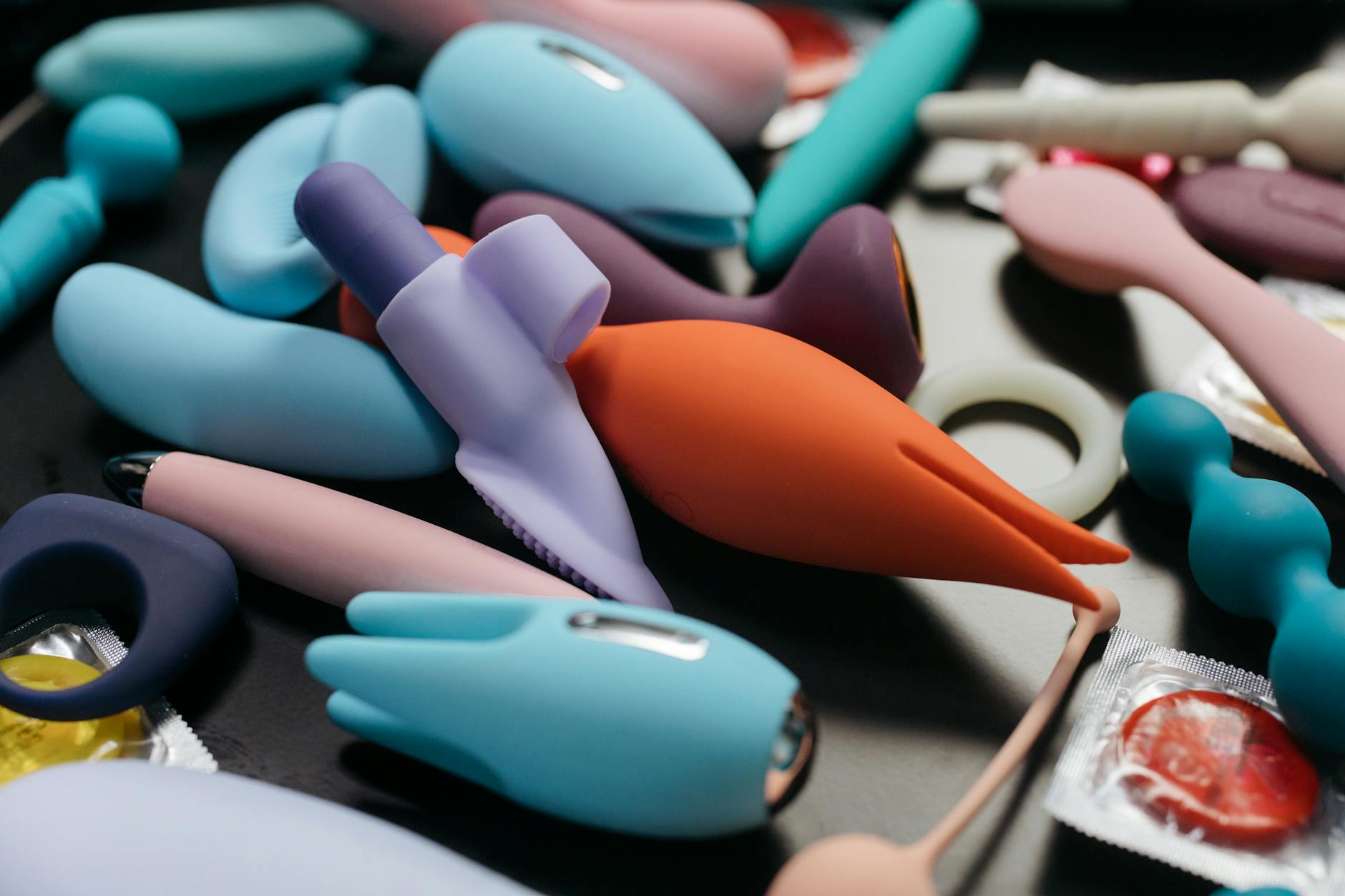
Sensitive vulvas need a different approach
Let's be real. If you've got sensitive tissue, most vibrators feel like you're handing a bullhorn to someone and asking them to whisper. Too much, too direct, too soon. That's where lemon vibrators shine. They work differently than traditional vibrating toys.
Instead of buzzing directly against your skin, lemon clitoral vibrators use air-pulse technology. Think of it like a tiny suction cup that creates rhythmic waves of gentle pressure. For vulvas that hate friction, that distinction changes everything.
How air-pulse technology solves the sensitivity problem
Traditional vibrators move back and forth hundreds of times per second. That works for a lot of people, but it can feel overwhelming, even painful, if you've got sensitive nerve endings or irritated tissue. Air-pulse stimulation works by creating pressure waves that stimulate the clitoris without sustained mechanical friction.
The result? A sensation that feels broader, gentler, and often deeper than direct vibration. Your clitoris gets stimulated through the pressure wave rather than through abrasive contact. For people dealing with vulvodynia, high sensory sensitivity, or recovering from irritation, this is often the first time a toy has felt genuinely good instead of just tolerable.
The lemon vibrator design amplifies this effect. The shape lets the suction seal properly without you having to grip it tightly or position it perfectly. That ease of use matters more than you'd think when you're managing sensitivity. You shouldn't have to wrestle a toy into submission.
What makes a lemon vibrator different from other clitoral toys
Honestly though, the "lemon" shape is not just cute branding. It's functional. The rounded tip creates an airtight seal without requiring pressure. That means you're not holding it in place with tension, which actually reduces overall stimulation and makes the experience smoother.
The width also matters. Most lemon clitoral vibrators are designed to rest against you rather than penetrate or require insertion. That's a game changer for anyone whose sensitivity flares with internal pressure or contact.
The intensity levels on a quality lemon vibrator start low and stay controllable. A beginner-friendly toy like this should have at least 5-7 settings, with the lowest setting genuinely subtle. You want to feel the pressure, not get knocked back.
Starting settings for sensitive tissue
If you're new to lemon vibrators or you've had bad experiences with regular vibrators, this matters:
Start at level 1 or 2. Not because you're fragile, but because your nerve endings will report back faster once they know the sensation isn't harmful. You can always turn it up in thirty seconds. You can't un-ring that bell of overstimulation.
Use water-based lubricant. This isn't about lubrication in the traditional sense. It's about reducing any micro-friction and making the seal between the toy and your skin smoother. Even if you self-lubricate plenty, a little extra helps.
Warm up first. Spend five to ten minutes on foreplay, or even just on fantasizing, before you introduce the toy. Your tissues respond better and your nervous system is more receptive to pleasure when you're already aroused.
Keep the session short. Twenty to thirty minutes max, especially at first. Sensitivity flares when you overdo it. Better to have a great ten-minute experience and want more than to push for thirty minutes and be sore the next day.
The pattern selection game
Most lemon vibrators come with at least three pulse patterns in addition to traditional vibration. Some are steady, some build and release, some are rapid-fire. For sensitive vulvas, the steady pulse patterns often work better than the intense ramping patterns.
You might find that pattern 3 at a low intensity feels better than pattern 1 at the same intensity. Don't assume you need to master level 1 before moving to the next level. Intensity and pattern are separate variables. Experiment with different combinations.
Keep notes if you want. I know it sounds clinical, but honestly, knowing that "pattern 5, level 3, with lube" is your sweet spot takes the guesswork out of future sessions. Your body isn't being difficult. It's being specific. Honoring that specificity is part of respecting your own pleasure.
When to see someone vs. when to try a lemon vibrator first
There's a difference between sensitive and injured. If you're experiencing pain during regular activities, pain that doesn't fade, or discharge that seems off, see a gynecologist first. Conditions like vulvodynia or vaginismus need professional assessment.
But if you're sensitive and you've just never found a toy that works, or if regular vibrators leave you sore, a lemon clitoral vibrator is genuinely worth trying before you assume your body doesn't like toys. Many people who thought they were "too sensitive" for vibrators find that air-pulse technology works beautifully. You might be incompatible with one type of stimulation, not with pleasure itself.
The partner conversation
If you're exploring this with a partner, the conversation matters more than the toy. Tell them what you need. "I want to try something that works differently than what we've used before" is enough. You don't need to pathologize or over-explain your sensitivity.
If you're introducing a lemon vibrator into partnered sex, start with it on your own. Get comfortable with the sensation and the settings. When you bring your partner in, you already know what feels good, so you can guide them instead of both learning at the same time.
Building confidence back up
Sensitivity can sometimes come with baggage. If you've had painful experiences or you've internalized the idea that your body is "too much" or "not enough,