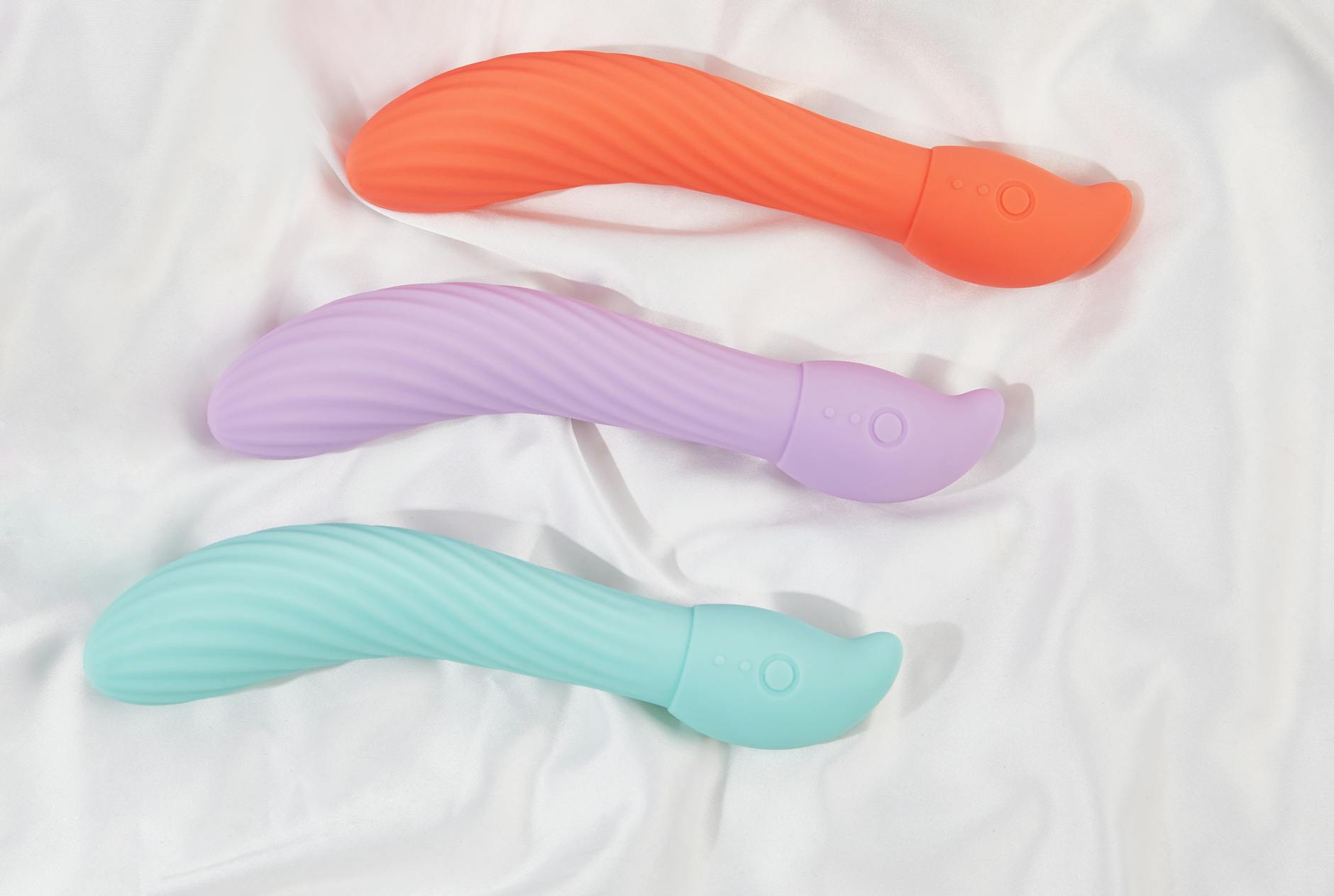
Let's talk about the elephant in the room
Introducing a lemon vibrator or any clitoral vibrator into partnered sex can feel loaded. Will your partner take it the wrong way? Will they think you're not satisfied? Will it kill the mood? Here's what I've learned from years of couples therapy: the anxiety about the conversation is almost always bigger than the actual conversation.
But there's a right way and a wrong way to frame it. And timing matters more than you think.
The mindset shift that changes everything
First, let me be direct: this is not about your partner failing you. This is about both of you having access to better pleasure. That's the framing that works.
Many people (especially women and people with vulvas) approach introducing a toy like they're asking for permission to repair a broken thing. "I need a vibrator because sex with you isn't working." That lands like criticism. Instead, the honest version is: "I want to explore something new together that could feel even better for both of us."
The difference is real. One version says "you're not enough." The other says "I want more of this with you." Your partner can feel that distinction immediately.
When to bring it up (and when not to)
Timing is the invisible variable that determines whether this conversation lands well or creates defensiveness.
Don't bring it up mid-sex. Not even close. You're both vulnerable, mid-arousal, and there's zero mental bandwidth for nuance. Your partner will hear it as criticism because their nervous system is in a very different state.
Don't bring it up during conflict or right after a sexual experience where something felt off. That reads as "this is what was wrong." Instead, pick a moment when you're both calm, clothed, and not in bed. A walk. A coffee. A car ride. Basically anywhere you can have a real conversation without the physical vulnerability of being naked.
The best time is when you can genuinely say: "I've been thinking about something I want to try with you, and I'm genuinely excited about it." That's true confidence, and it's contagious.
How to start the actual conversation
Here's the script that usually works:
"I've been interested in trying something new together. I read about [lemon vibrators / air-suction toys], and I think it could feel really good for both of us. Would you be open to exploring that together?"
That's it. You're naming the thing, you're being specific (not vague or coy), and you're framing it as a team activity. You're also leaving space for them to have feelings about it.
Your partner might say yes. They might say "let me think about it." They might ask questions. All of those are fine. What you're doing is establishing that this is about mutual pleasure and curiosity, not about fixing a problem.
Photo by cottonbro studio on Pexels
What to do if they seem hesitant or uncomfortable
Some partners have hangups about toys. It might be about masculinity. It might be about sex shame. It might be that they think it means they're replaceable. Those are all real fears that deserve attention.
If your partner pushes back, don't defend the toy. Instead, ask questions. "What comes up for you when you think about that?" or "What are you worried might change?" Let them articulate the fear, and then you address the actual fear, not the toy.
For example: "If you're worried I won't want you to touch me anymore, that's not how this works. This is something we do together. You're not being replaced." That's often the real conversation hiding underneath.
Some partners need time. Respect that. "I'm not asking you to decide today. Think about it, and let's talk again next week." Patience here builds trust. Pushing pressure builds resentment.
Setting expectations before you use it together
Once they're on board, the next layer is logistics. This prevents awkward moments during sex.
Talk about: How will this fit into your foreplay? Will you use it on yourself while they're inside you, or will they use it on you? How much direction do you need? Do you need silence to focus, or do you like dirty talk while you're using it? What's off the table (certain positions, certain timings)?
You can also try it alone first. Some people like to practice so they know what feels good, what patterns work, and what they want to ask for. That's not weird. That's smart.
The first time together (and why it might not feel like magic)
Your first time using a lemon clitoral vibrator with a partner might feel awkward. You're thinking about whether they're thinking about how long this is taking. They might be wondering if they're doing something wrong.
That's normal. Pressure is the enemy of pleasure, so release the expectation that it'll be earth-shattering the first time. It might take a few rounds for your nervous system to relax enough to really enjoy it. And that's fine. You're building something new, and new things take time.
Why lemon vibrators (and air-suction toys) work particularly well for couples
I mention air-suction toys specifically because they have a feature that partnered toys don't always have: they work really well whether you're using them alone or your partner is using them on you. The sensation isn't dependent on your partner being a specific size or shape or position. This takes pressure off them to perform or time things perfectly.
They're also less intimidating for partners who've never used a toy before. There's less performance anxiety because the focus isn't on manual dexterity or stamina. Your partner can use it, step back, watch what happens, and adjust based on how you respond. That builds confidence.
The ongoing conversation (yes, plural)
Using a lemon vibrator with a partner isn't a one-time conversation. It's an ongoing thing. After a few times, you might realize "actually, I like it better when you use it instead of me" or "I want to use it on you too" or "the pattern that works best is the third one on the Lem."
Keep talking about it casually. "That felt amazing." "Can we try something different next time?" "I really loved when you..." This keeps the feedback loop open and reminds both of you that you're exploring together, not executing a fixed script.
When pleasure changes the dynamic in good ways
Here's what I see happen most often: couples who introduce toys together actually feel closer. It takes courage to ask for what you want. It takes vulnerability to explore. When both people show up for that honestly, it creates intimacy that goes beyond sex.
You're saying "I want to share pleasure with you." That's powerful. Your partner gets to say "I want this for you." That's powerful too. Over time, that becomes a foundation for better communication in other areas. You've proven that you can have conversations about difficult things and come out closer on the other side.
People also ask
Will using a vibrator make my partner feel insecure?
Most insecurity comes from lack of information, not from the toy itself. When your partner understands that the vibrator is about amplifying sensation, not replacing them, the insecurity usually dissolves. Keep communication open and reassuring. If they feel displaced, they'll tell you, and then you can address it directly.
Should I introduce the vibrator during foreplay or as part of penetrative sex?
That's entirely your preference. Some couples like to use it during foreplay to build arousal before penetration. Others incorporate it into penetration itself. Many people use it after penetration, once their partner has come or is on the way. There's no right way. Experiment and notice what feels best for both of you.
What if my partner wants to use the vibrator on me but I feel self-conscious?
Self-consciousness usually fades once your partner uses it a few times and shows you they're enjoying themselves too. You're not a problem they're solving. You're a partner they're pleasuring. Let yourself feel the difference.
How do I know if my partner is actually comfortable or just saying yes?
You watch for genuine engagement. Do they ask questions? Do they touch you while using it? Do they make eye contact? Do they seem relaxed? Genuine comfort shows up as curiosity and presence. Performative comfort shows up as stiffness or distance. If you sense the latter, circle back: "Are you actually into this, or are you just going along with it?" That honesty matters more than proceeding.
Is it okay to ask my partner to use the vibrator on me?
Absolutely. Plenty of people find it really hot to use a toy on their partner. It's different from using it on themselves. For some, it feels more intimate because there's direct involvement and they can respond to you in real time. Asking is how you find out if they're interested.
What if we try it and it doesn't feel good or it kills the mood?
Then you stop and do something else. Toys aren't mandatory. They're optional tools that enhance pleasure for some people some of the time. If it's not working, you don't keep forcing it. You just move on and try something else another time, or decide it's not for you. That's a valid outcome too.
The bigger picture
Introducing a lemon vibrator or any air-suction toy into partnered sex is ultimately about expanding what's possible for both of you. It's about saying "I want to explore this with you" rather than "you're not enough." That distinction carries weight in every layer of the conversation, from the initial ask to the actual experience.
Your partner doesn't have to love it. But they might surprise you. And you might surprise yourself. The conversation itself is often the most valuable part. You've just proven that you can ask for what you want and your partner can listen. That's intimacy in its purest form.
If you want to learn more about using toys during partnered sex, our full guides cover everything from positioning to communication strategies. How to Talk About Lemon Vibrators with Your Partner goes deeper into addressing resistance and building lasting comfort. You might also find How to Use a Lemon Vibrator for Consistent Orgasms helpful for understanding what your own body responds to first, which makes partnered conversations easier.