Let's talk about the elephant in the room
Long-distance relationships aren't failing because couples don't love each other. They're struggling because physical intimacy stops, and nobody knows how to replace it. You can video call, text, send voice notes. But you can't hold someone. And the longer that distance stretches, the more the physical gap turns into an emotional one.
Here's what I see in my practice: couples who figure out how to stay sexual long-distance actually stay together. Not because the sex is amazing (though it often is). But because they're actively choosing each other, week after week, in a way that requires vulnerability and intention.
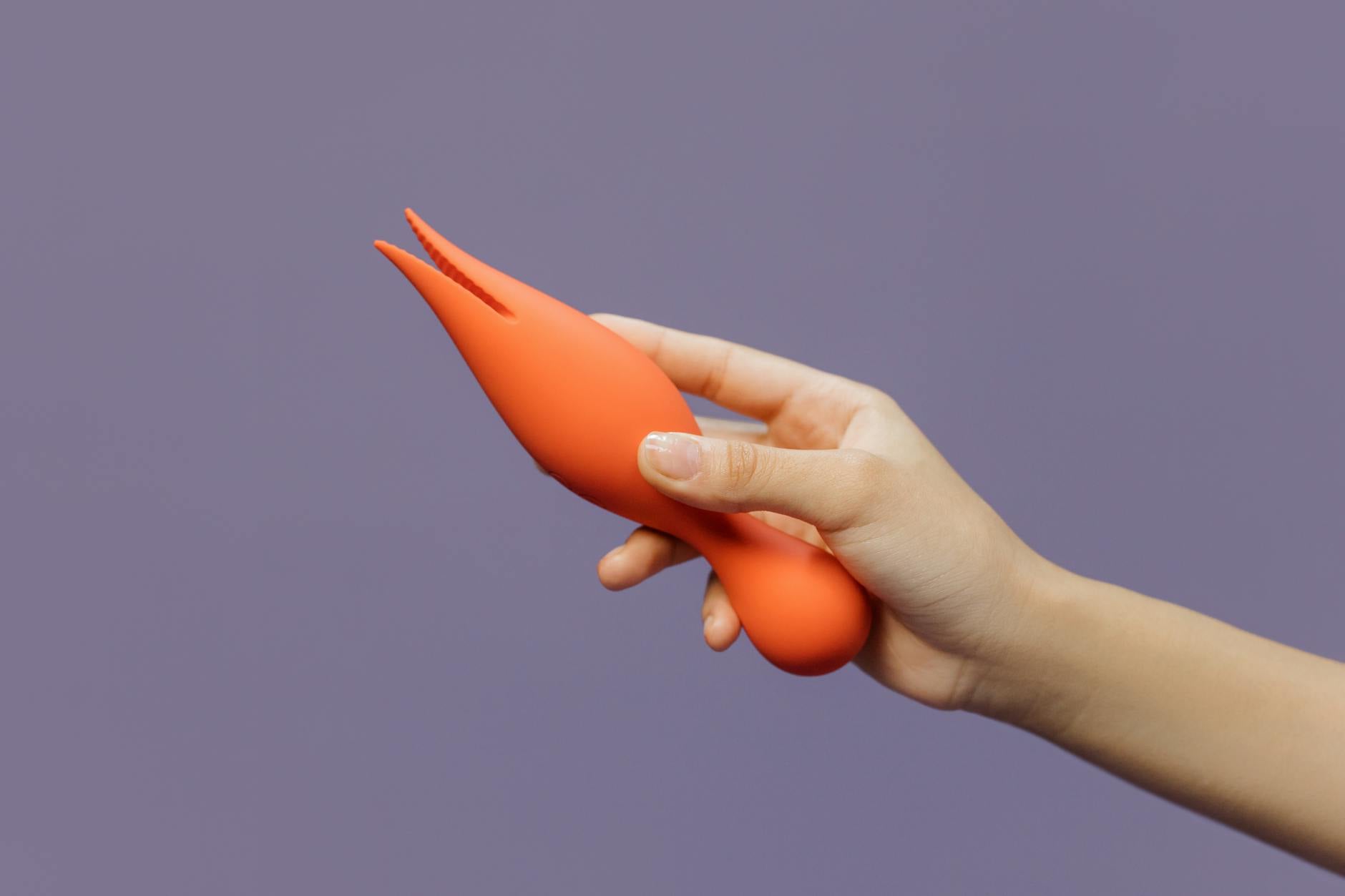
Lemon vibrators change how that conversation starts.
Why long-distance sex feels different (and harder)
When you're together, physical touch happens organically. You reach for each other. Desire builds from proximity. From scent. From the random moment one of you walks into the room.
Long-distance kills that. You're scheduling sex. You're syncing time zones. You're trying to feel desire on command, while sitting alone in your bedroom, knowing your partner is doing the same thousands of miles away.
Most couples respond by slowly letting sex disappear. It becomes too awkward, too logistically impossible, so you just don't. Then one person starts feeling rejected. The other feels guilty. The physical distance becomes resentment.
The couples I work with who keep their sexual connection alive do something different. They treat online intimacy as its own thing, not a second-rate version of in-person sex. And lemon sexual toys become the bridge.
How lemon vibrators work for remote couples
Air-suction clitoral vibrators are uniquely good for long-distance play because they require focus. You can't half-pay attention with a lemon vibrator. The sensation demands your whole presence. Which means when your partner is watching, they're not just seeing you respond. They're seeing you there, fully engaged.
That presence is what translates to intimacy.
A couple I worked with recently started using a lemon clitoral vibrator during video calls. At first, they were embarrassed. But after a few sessions, they noticed something shift. They weren't just masturbating on camera. They were together in a way that felt real. There was eye contact. There was dirty talk that felt alive because it was live. There was the vulnerability of someone watching you chase your own pleasure.
That's not a cheap substitute for being together. That's a different kind of intimacy, and it matters.
The logistics of connected play
Here's what actually works:
Pick a time. Not "whenever." A scheduled video call with a clear start and end makes it feel less random. It also means you're both clearing mental space. You're not half-thinking about work emails.
Start clothed. Sit down. Talk first. Ask each other how you're feeling. What you want. What you're nervous about. This sounds clinical, but it's the opposite. It builds anticipation. It tells your partner that you're not just using them as scenery for solo play.
Use the vibrator during the call. This is where a lemon vibrator earns its place. The intensity and the texture mean you're getting real sensation. Your partner can hear your breathing change. They can see your body respond. It's immediate feedback that what they're saying, what they're seeing, actually matters.
Talk through it. The hottest part of long-distance intimacy isn't usually the orgasm. It's the communication. Tell your partner what you're feeling. Ask them to describe what they'd do if they were there. Let them guide you with words.
What this actually does to your relationship
I'm not going to tell you that using lemon adult toys together magically fixes distance. It doesn't. But what it does do is keep the physical and emotional current alive.
When you're long-distance, there's a natural erosion of desire. You get used to being apart. You stop missing touch. You stop thinking about the other person that way. That's not a sign the relationship is failing. It's a sign that distance is working the way distance works.
But couples who actively maintain sexual connection report higher relationship satisfaction, more openness, and less resentment about the distance itself. The sex isn't the goal. The goal is staying chosen by someone who could easily choose to let you go.
Using a lemon vibrator together, on a video call, weekly, is a way of saying: I still want you. I'm still willing to be vulnerable with you. I'm still here.
Common concerns (and how to move past them)
Most couples hesitate because they're worried about feeling awkward. Or they think it means they're not satisfied with their relationship. Or they're concerned their partner will judge them.
All of that is normal. And all of it disappears after the first time.
One couple told me they laughed through the whole first session. Their cat walked in. The wifi cut out mid-orgasm. But by the third session, they'd stopped thinking about how weird it felt and started actually enjoying it. By month two, they'd reframed their entire long-distance situation. Instead of it being something they had to survive, it became something that required intention and creativity.
The judgment piece is worth naming directly. If your partner judges you for exploring your own pleasure, that's a relationship problem, not a vibrator problem. And that problem needs addressing whether you're together or apart.
Making it sustainable
Long-distance works when both people commit to the shape of it. That means knowing your boundaries. How often are you doing this? What does consent look like when screens are involved? What happens if one person isn't feeling it that week?
The couples who sustain this longest treat it the way they'd treat any other intimate practice. They check in. They adjust. They don't guilt each other if someone needs a week off.
And they remember that this is temporary. Most long-distance relationships have an end date. Whether that's a reunion or a breakup, the distance eventually ends. The goal isn't to make long-distance feel normal. It's to keep your connection alive while you're working toward whatever comes next.
The bigger picture
Technology gets blamed for a lot in relationships. But it's also the only thing that makes long-distance possible. Video calls, messaging apps, and yes, the ability to share intimate moments remotely. None of that existed a generation ago.
Lemon clitoral vibrators are part of that same shift. They're tools that let couples stay connected in ways that feel real, that require presence, that demand honesty.
I work with couples who use them as a lifeline during deployment. During work transfers. During parenting situations where partners are in different places. In every case, the vibrator itself isn't the point. The point is the choice to stay intimate, to stay chosen, to stay willing.
If you're long-distance and you've been letting physical intimacy slide, you don't need to feel guilty about it. You need to talk about it. And then you need to decide together whether you want to rebuild that connection. A lemon vibrator can help. But only if both of you are actually ready to try.
Frequently Asked Questions
Can you use lemon vibrators during long-distance video calls?
Absolutely. Lemon sexual toys are designed for solo play, but many couples incorporate them into video intimacy. The key is clear communication beforehand about boundaries and comfort levels. Video call intimacy requires the same consent and enthusiasm as in-person intimacy. Both partners should be fully interested and ready. If either of you feels pressured or uncomfortable, that's a sign to step back and talk first.
What should I do if my long-distance partner feels insecure about me using a vibrator?
Insecurity about toys usually isn't about the toy. It's about fear of replacement or not being enough. Start by reassuring them that a lemon vibrator is an addition, not a substitute. Invite them into the experience rather than hiding it. Many couples find that using a clitoral vibrator together, even remotely, actually increases their intimacy because it removes shame and builds shared understanding. If the insecurity persists, that's a conversation worth having with a therapist, because it points to a deeper trust issue that distance is amplifying.
Is using lemon vibrators during calls considered cheating in a long-distance relationship?
Not unless you and your partner have agreed that it is. The definition of cheating is different for every couple. Some define it as physical contact with someone else. Others include emotional intimacy. For most long-distance couples, mutual masturbation on video is understood as part of maintaining the relationship, not violating it. But this is a conversation you need to have explicitly. Don't assume you're on the same page. Ask your partner what boundaries matter to them. Tell them yours. Then you can make informed choices together.
How often should long-distance couples have remote intimacy with toys?
There's no rule. Some couples do it weekly. Others monthly. Some do it spontaneously when the mood hits and connection allows. The frequency matters less than the consistency and enthusiasm. A scheduled weekly call where you're both engaged beats sporadic encounters where one person is half-interested. Choose a rhythm that feels sustainable and exciting for both of you, not an obligation. If it starts feeling like a chore, that's a sign to pause and reconnect about what you actually want.
Do lemon vibrators actually improve long-distance relationships?
Not by themselves. A vibrator is a tool. What improves relationships is the commitment to maintaining intimacy despite distance. A lemon clitoral vibrator helps because it provides real sensation, focuses attention, and creates a space for vulnerability. But the real work is the conversation before and after. The willingness to be seen. The choice to keep showing up for each other physically and emotionally even when it would be easier to let that part of the relationship fade.
What if my partner and I have different comfort levels with remote intimacy?
This is actually the most important conversation to have before anything else. One person wanting to explore remote intimacy while the other isn't interested creates pressure, not connection. Listen to what your partner is actually saying. Are they uncomfortable with the concept? Worried about privacy? Feeling self-conscious on camera? Each reason needs a different response. Some couples find that starting with sexting instead of video makes it feel less exposing. Others build trust over time through conversations about desire before moving to shared play. The goal is finding what works for both of you, not convincing someone to do something they're not ready for.
The takeaway
Long-distance relationships require intention. They require you to actively choose each other when it would be easier to let go. Using lemon vibrators as part of that choice isn't about the pleasure, though that matters. It's about saying: I still see you. I still want you. I'm still here.
If you're navigating distance with a partner, start with a conversation. Then decide together what comes next. And remember that reconnecting with your own pleasure is never something to feel ashamed of. It's the foundation for staying connected to the person you love, no matter the miles between you.