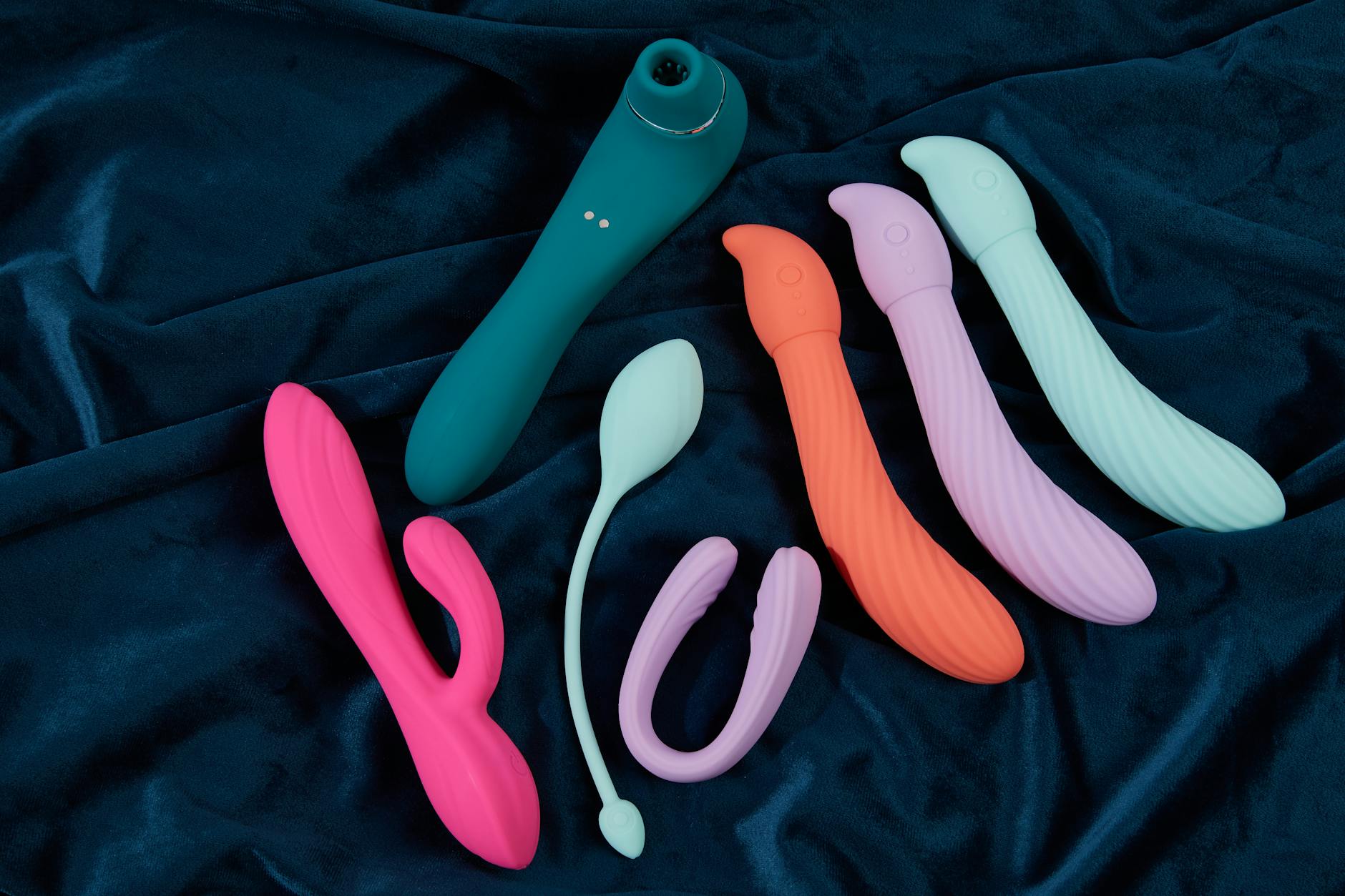
Lemon Vibrator After Menopause: How Air-Suction Toys Help Pleasure Recovery
Let's be real. Menopause gets sold as this binary thing: either "everything changes forever" or "you're fine, stop worrying." Neither is true, and neither actually helps you figure out what to do when you want to have great sex and your body isn't responding the way it used to.
The honest version is this: menopause rewires pleasure. It doesn't end it. And once you understand what's actually changing physically, you can work with your body instead of against it.
This is where lemon clitoral vibrators and air-suction toys enter the picture. They're not a hack or a workaround. They're genuinely the best tool I've seen work for people navigating post-menopause sexuality, and the reason is biomechanics.
What actually happens to pleasure after menopause
The tissue lining your vulva gets thinner as estrogen drops. This isn't a flaw in your body, it's just biology. Thinner tissue is more sensitive to pressure, which means direct vibration can feel intense in ways that range from uncomfortable to painful. It also takes longer for arousal to build because blood flow changes, and lubrication doesn't show up as quickly or as generously as it did before.
Your clitoral nerves? Still there. The neural pathways that light up during orgasm? Still firing. The brain's capacity for pleasure? Completely untouched. But the way that pleasure travels through your body has shifted.
Here's what doesn't change: you can still have incredible orgasms. Many people report their best ones yet in their 50s, 60s, and beyond. That's not inspirational fluff. That's a documented pattern.
Why lemon suction toys feel different (and better) for post-menopausal bodies
A lemon vibrator using air-suction technology works on a different principle than traditional vibrators. Instead of shaking back and forth against tissue, suction creates gentle pressure waves that stimulate nerve clusters without the same mechanical friction. For post-menopausal vulvas, this is a game changer.
Think of it this way. A traditional vibrator is like tapping repeatedly on your arm. It feels fine when your skin is thick and resilient. But if your skin is thinner or more sensitive, that same tapping becomes irritating. Suction is different. It's more like a gentle pull, a rhythmic pressure that stimulates nerves through a different pathway entirely.
This means you can have longer sessions without irritation, you can build arousal gradually, and your tissue doesn't take a beating in the process. The lemon clitoral vibrators from Hello Nancy use this technology specifically because it works so well for bodies in transition.
The warm-up window just got longer (and that's actually good)
One of the adjustments I see people struggle with is that arousal takes longer after menopause. Where you might have gotten fully aroused in 5-10 minutes before, now you're looking at 15-25 minutes. The instinct is to see this as a problem. It's not.
It's permission to slow down. To spend time on foreplay or solo exploration that people often skip in their 20s and 30s because they're in a rush. The longer warm-up window is an invitation to build arousal more deliberately, to pay more attention to what feels good, to let sensation develop.
With a lemon vibrator, that extended warm-up actually works in your favor. You can start on lower intensity settings (patterns 1-3 if you're using Hello Nancy's devices) and gradually increase as you warm up. This kind of pacing is something traditional vibrators make harder to do, because the sensation is more jarring from the start.
Lubrication matters more now, and that's okay
Your body might not produce as much lubrication as it used to. This isn't a sign something is wrong. It means you use lube, full stop. Water-based lube is your friend here, especially if you're using silicone toys like the lemon clitoral vibrators from Hello Nancy.
I recommend keeping lube nearby even if you're not sure you'll need it. You might find that using it from the start actually makes arousal easier, because your vulva can register the sensation without friction getting in the way. Glide matters. A lot.
If you notice that lube isn't cutting it, or if you have pain during sex even with lubrication, that's a signal to talk to a gynecologist about genitourinary syndrome of menopause (GSM). It's treatable, often with topical estrogen creams that have minimal side effects. Don't just accept it as permanent.
Pelvic floor changes and what helps
Your pelvic floor has been supported by estrogen for decades. When estrogen drops, that support softens. This doesn't mean you lose muscle tone entirely, but it does mean the sensation of your pelvic floor changes. Some people find their orgasms feel less intense. Others find they feel different but equally good, just in a new shape.
Kegels are still useful, but they're not the whole story. What often helps more is learning to relax your pelvic floor fully, because tension creeps in as estrogen drops. Tightness around the opening of your vagina can make penetration uncomfortable and can actually dull sensation.
If you're using a lemon vibrator solo, focusing on slow breaths and pelvic floor relaxation as you warm up can change the experience dramatically. You're not fighting your own tension while trying to build pleasure.
The emotional and relational layers
Menopause often shows up in the middle of other life changes. Kids moving out, relationship shifts, career transitions, grief. The temptation is to chalk any change in your sexuality to hormones. Sometimes that's accurate. Often it's worth looking at what else is happening.
If you're partnered, the conversation becomes important. "My body is changing" is different from "I want us to reconnect." One is biological, the other is relational. Mixing them up means neither conversation goes anywhere useful.
Many people find that exploring pleasure solo first, with a lemon clitoral vibrator and time to figure out what feels good in this new body, actually makes partnered sex easier. You're not learning together from a place of worry. You already know what works.
Why air-suction is the pattern you'll see recommended
Talk to any menopause specialist or sex therapist who works with post-menopausal clients, and you'll notice air-suction toys come up constantly. That's not marketing. That's pattern recognition based on what actually feels good for bodies in this phase of life.
The lemon vibrator technology uses this principle to create sensation that's stimulating without being abrasive. You can use it longer, you can build arousal more gradually, and your tissue responds better to pressure waves than to intense vibration.
When to get help from a professional
If pain is happening during sex, don't white-knuckle through it. Talk to a doctor. Genitourinary syndrome of menopause is treatable. Topical estrogen creams work fast, sometimes within weeks.
If desire has flatlined and it's not coming back, hormone therapy or testosterone cream is worth exploring with a menopause-specialized practitioner. Your desire matters. It's not selfish to want it back.
If you're stuck in a rut with a partner around sexuality, a relationship counselor who understands menopause can help you separate the biological changes from the relational ones and actually fix things.
The real shift that happens
Here's what I tell clients: menopause doesn't end your sexual life. It ends one chapter and opens another. The chapter you're closing had one set of rhythms and assumptions. The chapter you're in now has different ones. Most of the time, once you stop fighting the differences and start working with them, you find the new chapter is actually richer.
Your pleasure is still there. Your body is still capable of incredible sensation. The way you access it just changed. And tools like lemon clitoral vibrators from Hello Nancy are designed specifically for how your body works now, not how it worked before.
Frequently asked questions
Why does my lemon vibrator feel stronger after menopause than it used to?
Thinner tissue is more sensitive to sensation overall, including pressure from suction. If your favorite toy suddenly feels too intense, start on lower settings and work your way up. You're not losing capacity for pleasure, you're just feeling stimulation differently now. It's worth exploring rather than abandoning the toy.
Can I still use traditional vibrators after menopause, or do I need air-suction toys?
You can use whatever feels good. Some people love air-suction toys like the lemon clitoral vibrators from Hello Nancy. Others stick with what they've always used. The difference is that suction-based devices tend to require less lube, feel less jarring on thinner tissue, and allow for longer sessions without irritation. But comfort is personal. If your current toy works, keep using it.
How long does it take to feel pleasure returning after menopause anxiety kills my arousal?
Anxiety is often the actual culprit, not menopause. If you're worried your body won't work, that worry itself prevents arousal. Taking time to explore your body solo, without pressure or expectation, usually helps. Lemon vibrators work well for this because they take the pressure off performance and just let you feel sensation. Give yourself 2-4 weeks of consistent solo exploration before you assume something is broken.
Is it normal to need lube every time after menopause?
Completely normal. Your body producing less lubrication is a biological fact, not a failure. Using lube isn't cheating or a sign something is wrong. It's just how your body works now. Keep water-based lube on your nightstand and move on.
Can hormone therapy fix pleasure problems after menopause?
Sometimes yes, sometimes no. HRT can help with arousal speed and tissue resilience, but it doesn't fix everything. Some pleasure changes are about pelvic floor tone, partner dynamics, or just needing time to adjust to a new body. If pleasure issues are the main reason you're considering HRT, talk to a menopause specialist. There are other options too.
Why do some people say their best orgasms came after menopause?
Three reasons usually. One: the mental load of managing a cycle lifts, so there's less distraction. Two: they finally have permission to prioritize their own pleasure over anyone else's. Three: they're often more comfortable with their own bodies and more willing to explore what actually feels good. It's not magic. It's just what happens when you stop performing and start paying attention.
The invitation here
Menopause rewires you. That's not something to mourn or fight. It's something to get curious about. Your body still knows how to have pleasure. It just knows it in a different language now. Lemon clitoral vibrators and other air-suction devices are specifically designed to speak that language. Everything else is just permission to slow down, pay attention, and trust that what's on the other side is often better than what came before.