
Let's be real about pelvic recovery and pleasure
Pelvic surgery or injury doesn't erase your sexuality. But it does reset the timeline. The frustration most people feel isn't about losing pleasure altogether. It's about the gap between being told "you can resume sexual activity" and actually feeling safe, aroused, and comfortable doing it.
That gap is real. And it matters.
What happens to sensation during pelvic recovery
When you have pelvic surgery, the surgical site itself heals within weeks. But the nervous system? That takes months. Swelling, scar tissue formation, changes in blood flow, and the brain's protective response to trauma all influence how sensation returns. Some people report numbness. Others report the opposite: oversensitivity or burning that makes touch feel wrong.
Lemon vibrators, with their air-suction technology, work differently than traditional buzzing toys. Instead of direct vibration, they create gentle waves of pressure against the clitoris. This matters during recovery because it gives you more control over intensity and doesn't require the same kind of direct friction that can feel jarring on healing tissue.
But here's the thing: using a lemon vibrator too early, or at the wrong intensity, can genuinely set back healing. This isn't about being cautious for the sake of it. This is about understanding your own recovery timeline so pleasure becomes part of healing instead of working against it.
The timeline: when to actually start
Your surgeon will give you medical clearance, usually between 4 to 8 weeks depending on the procedure. Clearance to have partnered sex and clearance to have solo pleasure are not the same thing. Solo exploration typically feels safer and gives you more control.
Honestly though, medical clearance is the floor, not the finish line.
Start introducing sensation at around 50% clearance time. If your doctor said six weeks, that means around week three, you can begin very gentle, non-insertional exploration with your hands. Week five or six, you might try a lemon vibrator at the lowest setting, for only a few minutes, focused on areas that feel less tender.
Why the slowness? The nervous system is literally rewiring its pain and pleasure signals. If you rush, you can accidentally train your body to associate the clitoris with discomfort. That rewiring is harder to undo than waiting an extra two weeks.
Setting up for success: the environment matters
Three things create safety during recovery.
First, privacy and time. No rushing. No performance energy. Solo sessions are genuinely easier because there's zero pressure to reach a specific outcome. You're mapping sensation, not chasing orgasm.
Second, comfort positioning. Lying down, legs relaxed, nothing pushing on the surgical area. Some people feel safer with a pillow under their hips. Some need a heating pad on their lower belly first to ease muscle tension. Your body will tell you what position allows the deepest relaxation.
Third, the right lubricant. Even if you have natural lubrication, a little water-based lube makes everything feel less intense and more gliding. This is especially true if scar tissue is present. Friction at the wrong angle can feel sharp rather than pleasant.
How to actually use a lemon vibrator during recovery
Start at pattern 1. The lowest setting. Honestly, you probably think you'll want to go higher immediately. You won't, once you feel it. Air-suction devices create a different quality of sensation than traditional vibrators. It's gentler, but it's also sometimes more unexpected.
First session: place the lemon vibrator against the clitoris for 30 seconds, then rest for a minute. Repeat three times total, so you're at three minutes of actual stimulation with longer breaks between. This teaches your nervous system that sensation is safe without overwhelming it.
Second through fifth sessions: stay at pattern 1. Gradually extend the time to 45 seconds, then one minute per cycle. You're looking for your body to feel relaxed, warm, and somewhat engaged. You're not looking for orgasm yet.
After two weeks of pattern 1: you can try pattern 2 for brief intervals. But only if pattern 1 feels genuinely easy and comfortable. There's no rush here. The goal isn't to reach maximum intensity as fast as possible. The goal is to rebuild your nervous system's trust in pleasure.
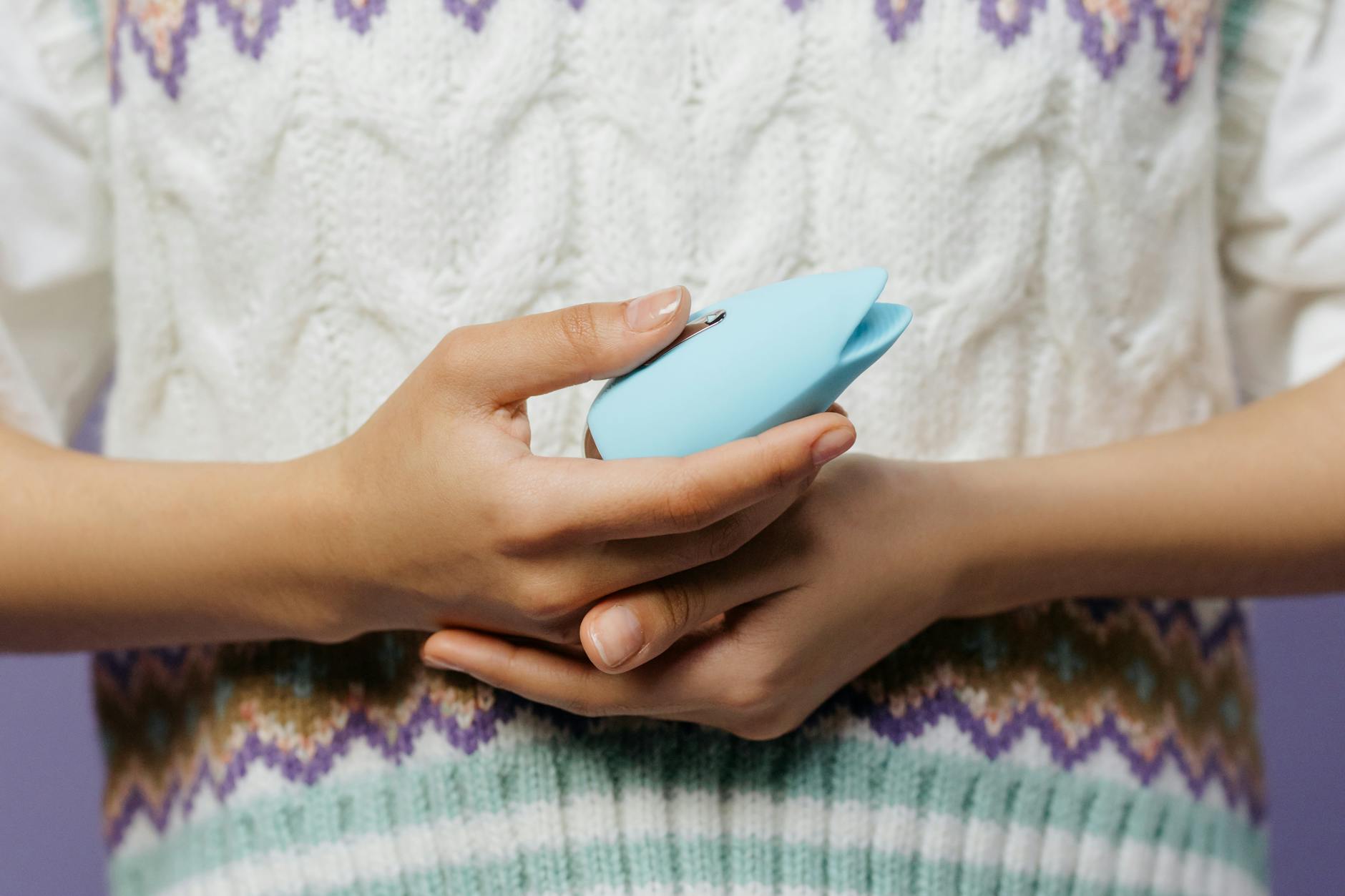
Photo by cottonbro studio on Pexels
What discomfort means and when to stop
Mild tingling or slight tenderness isn't a sign to stop. It's a sign that sensation is returning. But sharp pain, burning, or any sensation that makes you feel like you're undoing healing? Stop immediately and wait another week before trying again.
Scar tissue can create pockets of heightened sensitivity. Sometimes a lemon vibrator will hit one of those spots and it feels wrong. Move slightly to the side. Reduce intensity. Let your body guide the angle.
If you experience bleeding, significant pain, or unusual swelling after a session, contact your surgeon. Most people don't, but it's worth knowing the actual red flags versus the normal "my body feels weird because it's healing" sensations.
The mental game during recovery
Your body has been through something. Your brain knows that. And your brain is protective. Even after your surgeon says you're cleared, your nervous system might flash warning signals when you touch yourself. This is normal. It's not a sign that something is wrong. It's a sign that your nervous system needs reassurance through repetition.
This is where the patience piece actually matters. If you use a lemon vibrator once, feel nervousness, and then avoid it for months, your brain doesn't get the repeated signal that touch is safe. But if you return gently and consistently, even for just a few minutes every few days, your nervous system starts to relax.
Many people find that pairing pleasure with safety cues helps. Some breathe slowly. Some use warm blankets. Some play a specific playlist. Whatever signal your body recognizes as "I'm safe, my body is safe," lean into that during recovery exploration.
Reintroducing partnered pleasure
Once solo sensation feels genuinely easy, partnered exploration becomes an option. But it's a different conversation. A partner's touch adds anticipation, rhythm, and a dynamic you can't control. That's good eventually. It's overwhelming during healing.
Want to use a lemon vibrator with a partner during recovery? Excellent. Your partner can hold it, which means you stay completely still and focus only on sensation. You're not managing your own positioning or timing. That's genuinely easier for your nervous system.
But have the conversation beforehand. Tell them what intensity levels feel okay. Tell them that stopping mid-session isn't failure. Tell them that some days your body will feel different than others, and that's normal. When a partner understands that recovery is a collaborative process, it often strengthens connection.
Signs you're ready to progress
You're ready to increase intensity when pattern 1 feels almost boring. When you finish a session and think "I could actually go higher if I wanted to." Not because you reached orgasm or felt a specific thing. Just because the sensation is predictable and comfortable.
You're ready to extend duration when five minutes of stimulation doesn't leave you sore or sensitive the next day. When your body doesn't need a recovery period after pleasure.
You're ready for more variety when one technique feels relaxed and you're curious about others. Curiosity is a good sign. It means your nervous system isn't in protection mode anymore.
FAQ: Recovery and lemon vibrators
How soon after surgery can I use a lemon vibrator?
Medical clearance is usually 4 to 8 weeks. But actual nervous system readiness often takes longer. Start with very gentle hand exploration at 50% of medical clearance time. Introduce a lemon vibrator at the lowest setting around week 5 or 6, with short sessions and long rests between.
Can using a vibrator delay my healing?
Not if you're gentle and respectful of your timeline. Actually, many therapists recommend that gradual, controlled stimulation helps retrain sensation and can improve long-term recovery outcomes. The key is "gradual." Rushing intensity can be problematic. Gentle and consistent is always better.
What if I feel pain when I use a lemon vibrator during recovery?
Stop immediately. Pain is your body's signal that something isn't ready yet. Wait at least a week, then try again with lower intensity or shorter duration. If pain persists across multiple attempts, talk to your surgeon or a pelvic floor therapist.
Can scar tissue make using a vibrator uncomfortable?
Yes. Scar tissue can create areas of heightened or altered sensation. This usually improves over months as the tissue continues to mature. You might need to adjust the angle of a lemon vibrator to avoid tender spots. You might need to stay at lower intensities longer. Neither means something is wrong.
Should I tell my partner I'm starting to use a lemon vibrator again?
If you're in a partnered relationship, yes. Not because you need permission, but because it's part of your shared recovery journey. It opens conversations about what you're both comfortable with as you rebuild intimacy. Plus, a partner who understands your timeline is more likely to be patient and supportive about pacing.
Is it normal to not orgasm for months after pelvic surgery?
Completely normal. Orgasm requires a complex chain of events: comfort, arousal, focus, and a nervous system that feels safe. During recovery, one or more of those elements might not be available yet. This isn't failure. It's your body being protective while it heals. The goal early on isn't orgasm. It's sensation. Orgasm usually returns naturally once comfort and arousal are there.
The long view
Pelvic recovery is frustratingly slow. Your body heals on its timeline, not yours. Using a lemon vibrator during that process doesn't rush healing. But it does keep pleasure alive while healing happens. It teaches your nervous system that your body is still capable of good sensation. And it prevents the disconnection that sometimes happens when people avoid their own bodies for months.
Your pleasure matters during recovery, not after. Gentle exploration is part of the process. If you're navigating recovery with a partner, rebuilding connection takes intention. And if you want more specifics about using lemon clitoral vibrators safely in general, understanding how air-suction technology affects sensitive tissue is genuinely helpful.
Your body is healing. And you deserve to feel good during the process.