
Let's start with what nobody wants to say out loud
Ectile challenges happen. Not as a failure, not as an ending. They happen. And when they do, most couples freeze because the conversation feels too loaded, the solution too fraught, the whole thing wrapped up in shame that has nothing to do with actually fixing the problem.
Here's the truth: a lemon vibrator changes this dynamic completely.
Why erectile challenges derail couples (and why they don't have to)
When a partner struggles with erectile function, two things usually happen in tandem. First, the partner with a vulva stops getting stimulation because the couple defaults to what used to work, which was penetration-focused. Second, both people start treating sex like a performance test instead of a shared experience. Performance anxiety kicks in. Pleasure dies. And then the thing that was supposed to be fixed never actually gets fixed because the anxiety keeps building.
This is where the conversation usually breaks down. People think they need to choose between (a) accepting that sex is now different in ways that don't feel good, or (b) treating the erectile challenge as a medical problem that needs to be solved in the bedroom immediately. Both framings are traps.
The third option: reframe what sex is while your partner is getting medical support, if needed, and use tools that center pleasure for the person who's been left out. Enter the lemon vibrator.
How air-suction changes the conversation
A lemon vibrator isn't a replacement for your partner. It's a tool that lets you both focus on connection instead of performance. Here's why that matters.
Traditional vibrators are buzzing. Buzzing demands endurance. If your partner is already anxious about staying hard, the last thing they need is the pressure of matching pace to a mechanical device. An air-suction lemon vibrator works differently. It's rhythmic and intense, but the intensity is happening on your clitoris, not on your partner's body. This completely removes the pressure dynamic.
Your partner gets to be present and connected without having to deliver a specific outcome. You get sustained, focused pleasure that doesn't depend on their body cooperating. That's a huge shift.
The setup that works
Four things make this work:
1. Start clothed. You don't have to jump into full nakedness. Foreplay doesn't have to be a sprint toward intercourse. Use the lemon vibrator over your underwear while you're kissing, touching, talking. This removes the goal of "getting hard enough" and replaces it with actual connection. Your partner can touch you, you can touch them, and the vibrator is just extending the pleasure.
2. Talk beforehand, not during. "I want to try the lemon vibrator because I want us both to feel good" is a sentence you say when you're clothed, sitting down, not in the middle of sex when he's already stressed. Framing it as a couples' tool, not a workaround, makes all the difference. The conversation removes shame.
3. Let your partner control the timing. Some partners love holding the vibrator for you. Some prefer to focus on kissing and touching while you use it. Some want to watch. Ask what feels right. If they're anxious, giving them agency ("You tell me when you're ready, you set the pace") often helps more than any medical intervention because it moves them from feeling like they're failing to feeling like they're participating.
4. Start at lower intensities. The Lem, our flagship lemon clitoral vibrator, has multiple settings. Begin at patterns 1 or 2. The point isn't to get you to orgasm as fast as possible. The point is pleasure without urgency. This is the anti-performance-anxiety move.
What this does to the experience
When you're using a lemon vibrator together, something shifts. Sex stops being about erections and starts being about sensation. Your partner can focus on what feels good to them (touching you, being touched, watching you, kissing you) rather than monitoring their own body. You get consistent, focused stimulation that doesn't depend on their stamina or erectile function.
This isn't just a workaround. Research on couples' sexuality shows that when partners can experience pleasure without performance pressure, anxiety actually goes down over time. That means the erectile challenges often improve naturally as the shame evaporates.
When to seek additional support
Let's be clear: a lemon vibrator is not a replacement for talking to a doctor. If erectile difficulties are new, sudden, or accompanied by other symptoms, a GP is the right first call. ED can sometimes signal underlying health issues. That conversation is important.
But here's what I tell couples in my practice: the vibrator comes into the picture alongside medical support, not instead of it. While your partner is working with a doctor (whether that's exploring medication, lifestyle changes, or therapy), the vibrator keeps intimacy alive. It keeps pleasure in the room. And it reminds both of you that sex isn't about one person's function. It's about connection.
The mental shift that matters most
Most couples I work with realize, after a few sessions with a lemon vibrator, that erectile challenges revealed something else: they'd stopped prioritizing their partner's pleasure. Not maliciously. Just because penetration-focused sex had become the default, and when that stopped working, they had no plan B.
A plan B isn't a defeat. It's actually how long-term couples maintain intimacy through decades of bodies changing. Pregnancy, postpartum recovery, illness, medication changes, aging. Your body's capacity shifts. The couples who adapt are the ones who stay connected.
A lemon vibrator, whether you're using it solo or with a partner, signals that you're willing to adapt. That you care more about pleasure than about a specific sexual script. That's not settling. That's actually the most mature thing you can do.
FAQ: Common questions
Can using a lemon vibrator make erectile difficulties worse?
No. In fact, the opposite. When your partner isn't feeling pressure to perform, anxiety typically decreases. Lower anxiety can actually improve erectile function over time. The vibrator removes the spotlight from their genitals, which removes the pressure. This is therapeutic, not harmful.
What if my partner feels threatened by the vibrator?
That conversation is worth having. Sometimes what feels like threat is actually unspoken anxiety about whether they're still desirable. Reframe it: "I want this so we both feel good. You can be involved however feels right to you." Some partners love holding it, directing it, or watching. Give them options for participation. And if deeper insecurity comes up, that's actually worth talking through with a couples' therapist, because it's probably about more than the vibrator.
How often should we be using a lemon vibrator if he's dealing with ED?
There's no prescription. Some couples use it weekly, some several times a week. The goal is regular enough that intimacy stays alive, not frequent enough that it becomes mechanical. Pay attention to how it feels in the relationship. If it's bringing you closer, keep going. If it starts feeling like a solution instead of a pleasure, step back and reconnect without it.
Will my partner eventually get hard if we keep using the vibrator?
Maybe, maybe not. And that's kind of the point. If erectile function returns, great. If it doesn't, you've already rebuilt a sexual life that works anyway. I've worked with couples where the partner's ED never fully resolved, but the relationship stayed deeply intimate because they stopped making that the measure of success. The vibrator helped them get there.
Can we use a lemon vibrator during intercourse if he does get hard?
Absolutely. Clitoral stimulation during penetration is one of the most effective ways to experience orgasm during partnered sex. If your partner regains erectile function and you want to use the lemon vibrator at the same time, that's actually a beautiful combination. It takes pressure off them to "do it all" and centers clitoral pleasure, which benefits most people with vulvas.
Is there a risk of becoming too dependent on the vibrator?
No. Using a lemon vibrator doesn't make you numb to other forms of touch. What it does is introduce sustained, focused stimulation that your partner's body might not be able to provide right now due to ED. Once you've experienced consistent pleasure, your body doesn't forget how to respond to other kinds of touch. The vibrator is a tool, not a replacement for your partner.
The actual outcome
I've watched couples move from "we can't have sex anymore" to "we have a different kind of intimacy that feels even more connected" by introducing a lemon vibrator. It's not magic. It's just removing the goal-based pressure that makes everything worse.
Ectile challenges are real. They're frustrating. They deserve medical attention if they're new. But they don't have to end your sexual life. They can actually be the thing that pushes you toward a more sustainable, pleasure-focused version of intimacy. That's worth exploring.
If you're ready to start, check out our guide to best lemon vibrator settings for different types of pleasure to find the right pace for you both. And remember: pleasure without performance is the goal here. Everything else follows from that.
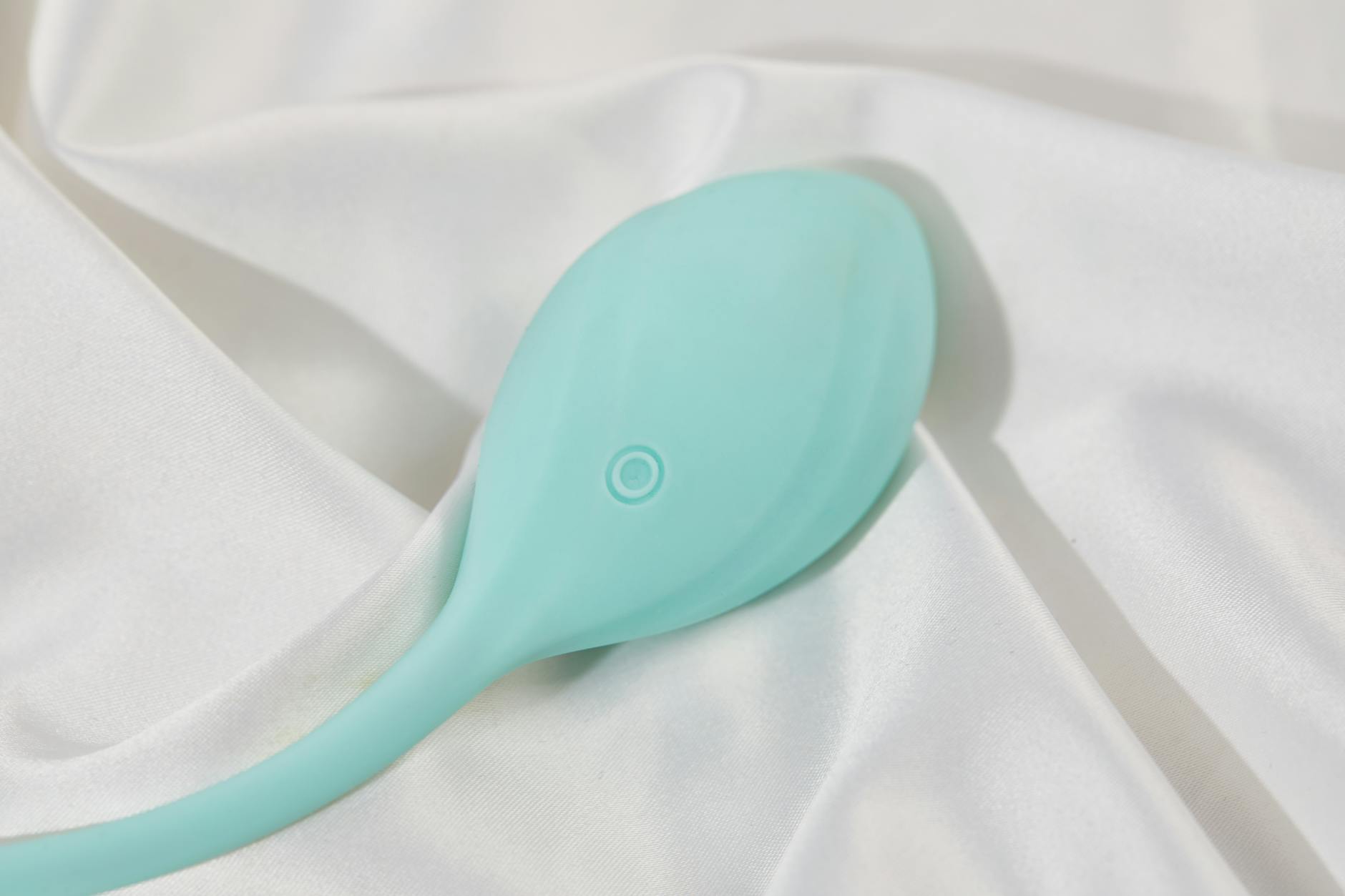
Photo by IFONNX Toys on Pexels