Let's name what's actually happening
Grief doesn't just sit in your chest. It colonizes your entire nervous system, making your skin feel like it belongs to someone else. Your body goes quiet. Touch that used to feel alive becomes almost abstract. That numbness isn't a personal failure. It's a very normal neurological response to loss.
The good news: sensation comes back. But it doesn't return on its own timeline, and it doesn't return all at once. Reconnecting with pleasure after grief requires patience, gentleness, and tools that meet you where you actually are right now—not where you were before the loss.
How grief affects physical sensation
When we grieve, our brain deprioritizes everything except survival. Pleasure circuits literally dim. The amygdala (your alarm system) gets louder while your sensory cortex gets quieter. This is not weakness. This is your nervous system trying to protect you.
You might notice that your clitoris feels distant. Touch that once excited you now feels muffled or overstimulating. Some people describe it as touching through a thick glass barrier. Others say sensation is there but feels gray, like watching a movie you don't care about.
These are all normal grief responses. The body's pleasure pathways don't disappear. They're just temporarily offline.
Why lemon clitoral vibrators work differently when you're grieving
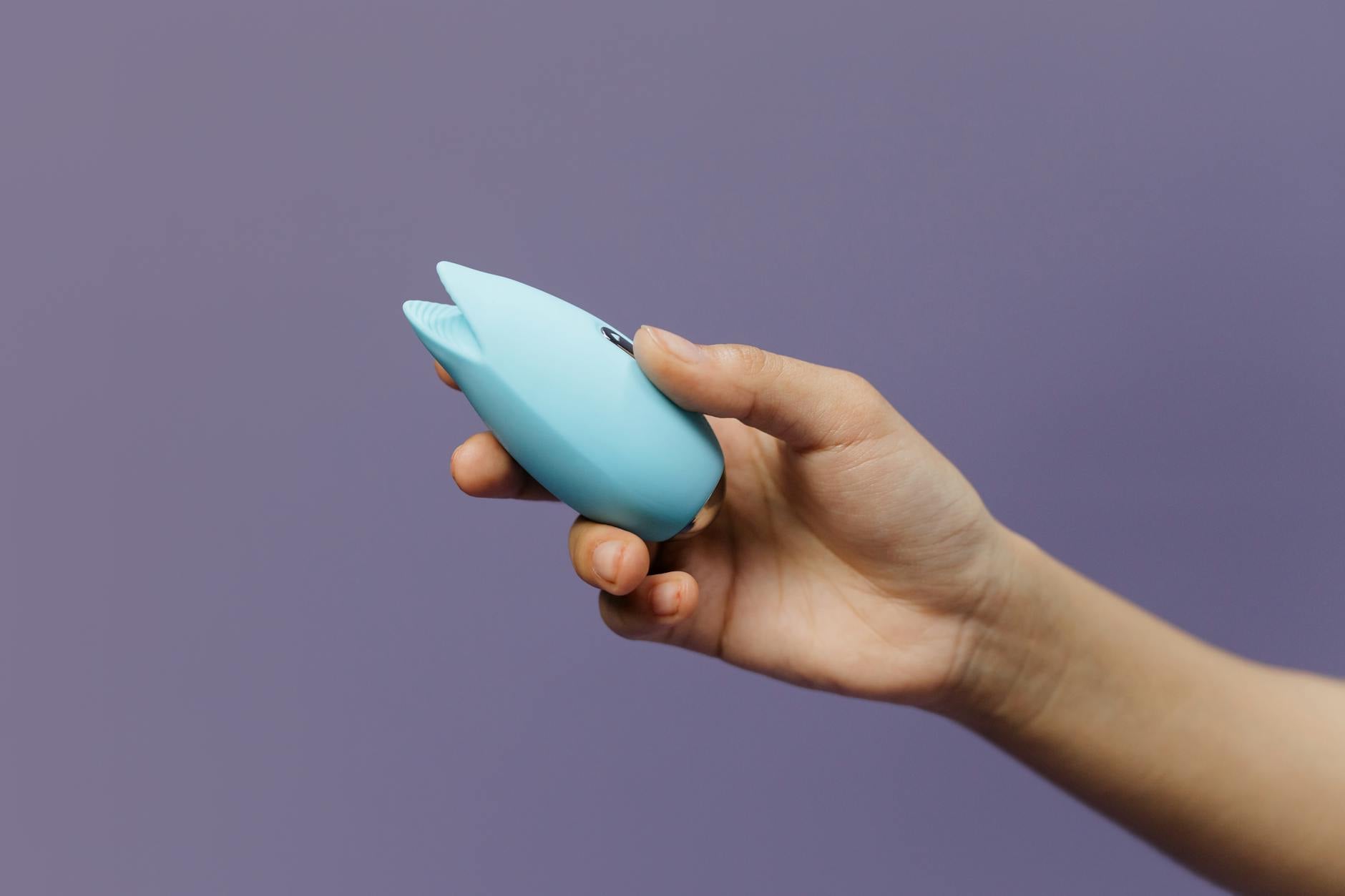
The suction-based technology of lemon vibrators—what makes them the clitoral vibrator of choice for so many people—becomes especially valuable after loss. Here's why.
Suction stimulates without requiring intensity. You don't need to think about pressure or friction. The device does the work of translating sensation into your nervous system. That's huge when your body feels checked out. You're not fighting numbness with force. You're gently knocking on the door instead.
The graduated intensity levels matter too. With a lem vibrator, you can start at pattern 1—barely-there pulse—and let your body decide whether it wants more. There's no commitment, no performance. If sensation starts to come back and then disappears again, you simply adjust down. That flexibility reduces anxiety, which is exactly what your nervous system needs right now.
Starting so small it almost feels silly
After grief, the impulse is often to push through numbness with more intensity, more effort, more insistence. Resist this. The opposite approach works better.
Begin by just holding a lemon vibrator. Don't turn it on. Let your hand recognize the weight of it. Feel the smooth surface. This sounds trivial. It's not. You're teaching your nervous system that pleasure tools are safe, that sensation can come from outside yourself without demanding anything from you.
When you're ready, turn it on at the lowest setting. Not on your clitoris. On your inner thigh first. Your thigh has more robust nerve endings and less trauma memory than your genitals. Let yourself feel the vibration without any goal except noticing sensation.
Your clitoris will let you know when it's ready. There's no timeline. Some people need a week of thigh exploration. Others need a month. Both are completely fine.
The permission piece (this is the hardest part)
Grief often arrives with a voice that says you don't deserve pleasure right now. That pleasure feels disloyal to the person you lost. That wanting sensation again means you're moving on, and moving on feels like betrayal.
Let me be direct: reconnecting with your body is not betrayal. It's survival. It's you saying to your nervous system, "We made it through the worst. Now we gently return to living."
When that voice shows up—and it will—name it. Say it out loud if you need to. "That's grief talking. Not truth." Then gently redirect your attention back to sensation. Pleasure is how we remember we're alive. After loss, that remembering is necessary work.
Practical setup for reconnecting
Create conditions where your nervous system can relax enough to feel anything at all. This matters more than the vibrator itself.
First, time. Choose a moment when you're not tired or rushed. Grief is exhausting. Your nervous system needs actual space to soften. Twenty minutes of actual free time beats an hour of checking your phone.
Second, setting. Warm room, soft surface, something that makes you feel held (a blanket, pillows propped around you). This is not about romance. It's about communicating to your nervous system that you're safe to feel.
Third, lubrication. Water-based lubricant becomes essential after loss because grief-induced numbness often means less natural lubrication. Add lube anyway—not because something's wrong, but because you're removing friction barriers that might make sensation harder to find.
Fourth, no goal. This is the rule that breaks everything open. You're not trying to orgasm. You're not trying to feel "normal." You're just exploring sensation in real time, moment by moment. That shift from doing to being is where reconnection actually happens.
What to do when sensation doesn't come back immediately
You'll probably have sessions where you feel almost nothing. This is not failure. This is grief being honest about where you are.
When numbness persists, stay with it instead of fighting it. Use a lemon vibrator on low and just notice: "This is what my body can feel today." Some days that's barely-there tingling. Some days it's stronger. Your job is witnessing, not achieving.
If you find yourself getting frustrated or pushing harder with the vibrator, pause. Frustration is a sign your nervous system has gone into overdrive. Turn everything off. Breathe. Maybe hold the device without turning it on. Maybe just sit with your grief for a bit. Pleasure reconnection happens alongside grief processing, not instead of it.
When to bring a partner (or not) into this
If you're in a relationship, your partner might want to help you reconnect. This impulse is usually kind and sometimes misguided.
My clinical recommendation: reconnect with your own body alone first. Use your lemon vibrator solo. Get reacquainted with what sensation feels like when there's no external expectation. That foundation matters.
Once you've had some solo sessions where sensation starts returning, then you can decide whether to include your partner. If you do, tell them specifically what helps: "I need you to hold space without trying to fix this. I need low pressure and no expectations." Then show them the same patience you're showing yourself.
The timeline is not linear
Grief doesn't move in one direction. Some weeks you'll feel more sensation. Some weeks the numbness returns. This is normal. Your nervous system is gradually learning that it's safe to feel again, but learning happens in loops, not straight lines.
If sensation starts returning and then disappears again, don't panic. That's just your nervous system continuing its work. Return to the basics: low intensity, no goal, lube, safe space. The pathways are rebuilding.
Many people find that after three to four weeks of gentle, consistent exploration with a lemon vibrator, sensation starts to shift noticeably. After two to three months, real pleasure starts returning. But every person's timeline is different, and comparing your grief journey to anyone else's is a waste of energy.
FAQ: Reconnecting After Grief
How long does it usually take for sensation to return after losing someone close to you?
There's no universal timeline, but most people report noticeable shifts in sensation within 4-8 weeks of gentle, consistent reconnection work. Some feel changes sooner. Others need several months. The key variable is consistency, not speed. A few minutes three times a week does more than an intense hour once a month.
Is it normal to feel guilty about wanting pleasure again after a major loss?
Completely normal. Grief often includes the belief that pleasure feels disloyal. This feeling usually softens over time as your nervous system realizes that reconnecting with your body honors your own survival, not the loss itself. If the guilt persists and keeps you stuck for more than a few months, talking with a grief counselor can help.
Can using a lemon vibrator actually help with grief, or is it just a distraction?
It's not a cure for grief, but it is a tool for nervous system regulation. Reconnecting with sensation helps shift your body out of the freeze response that grief creates. That's a genuine biological shift, not distraction. Consider it part of your healing toolkit alongside therapy, support, and time.
What if I start using a lemon vibrator and feel worse emotionally?
Sometimes reconnecting with sensation unlocks emotions that have been numb. You might feel sadness, anger, or grief more intensely right after a session. This is actually a sign the tool is working. Your nervous system is waking up. If the intensity feels overwhelming, reduce the frequency or intensity of sessions and consider pairing this work with a therapist who specializes in grief.
Is it okay to use a lemon clitoral vibrator if I'm also taking antidepressants?
Yes. Antidepressants and lemon vibrators aren't in conflict. In fact, if antidepressants have also numbed your sensation (which they sometimes do), gentle vibrator use can help you reconnect despite that side effect. If you're concerned about any interaction, ask your prescriber, but there's no medical contraindication.
Should I tell my partner I'm using a lemon vibrator to reconnect after my loss?
That depends on your relationship and how you usually communicate about pleasure and grief. If you're someone who shares vulnerabilities with your partner, yes. It can actually deepen intimacy when your partner understands you're doing active healing work. If privacy is important to you, that's valid too. What matters is that you're doing the reconnection work, not whether your partner knows about it.
Moving through grief and pleasure at the same time
Grief and pleasure aren't opposites. They're both ways of being fully human. After loss, learning to feel sensation again isn't about forgetting. It's about saying that your body still deserves care, attention, and the capacity to feel alive.
A lemon vibrator is just a tool. The real work is your willingness to be patient with yourself, to start small, and to trust that sensation can return. It will. Not all at once. Not on any predictable schedule. But it will.
If you want to talk through what reconnection might look like for you specifically, or if your grief is complicating your pleasure in ways that feel stuck, reach out to us at /contact. We're here to help you figure this out.