The thing nobody tells you about taking a break from pleasure
You don't just pick up where you left off. Your body forgets a little, your mind gets nervous, and suddenly the thing that used to feel automatic feels like learning a new language. That's completely normal, and it's actually more common than you'd think. Whether the break was six months (a health scare, a relationship ending, just life happening) or six years (kids, grief, burnout), restarting can feel weirdly loaded with pressure.
Here's what I see clinically: people expect themselves to feel instantly turned on the moment they decide to try again. When that doesn't happen, they assume they've broken something. You haven't. Your body is just being cautious, and that's wise. Getting back into pleasure after a long pause means rebuilding trust with yourself first.
Why a lemon clitoral vibrator is your best restart tool
Air-suction devices like the Lemon Vibrator work differently than traditional vibrators, and that difference matters hugely when you're anxious about pleasure. Because they use gentle suction rather than intense buzzing, they don't demand as much from your nervous system to feel good. You're not bracing for impact. You're not waiting for numbness to set in. The sensation is more like a responsive partner and less like a machine.
That responsiveness also means the vibrator isn't doing all the work. Your body participates. Your breath changes, your attention sharpens, and suddenly you're not just using a toy. You're having an experience. For people restarting, that felt sense of participation is huge for rebuilding confidence.

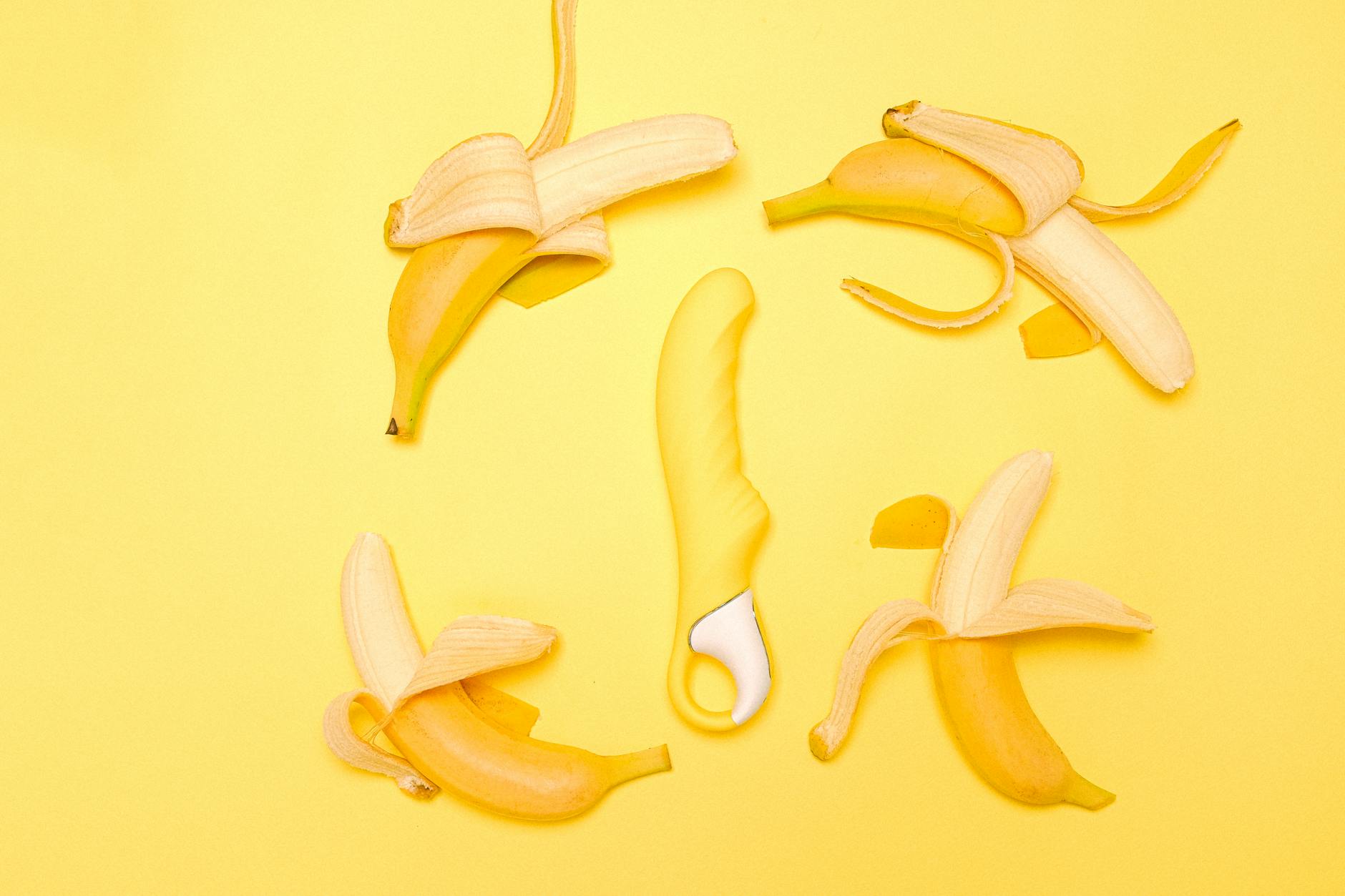
Photo by Hanna Brovko on Pexels
The five-step restart protocol
I use this framework with clients who are nervous about restarting, and it genuinely reduces the anxiety load.
Step one: Solo exploration, zero performance pressure. Schedule fifteen minutes when you're alone and genuinely relaxed. Not "relaxed as much as possible while worrying about being found." Actually relaxed. If that means waiting for a day when your partner is out or the house is quiet, wait. Your nervous system needs to know it's safe to feel good without being watched or interrupted.
Step two: Touch your body first, toy second. Spend five minutes just touching your own skin. Arms, chest, belly, inner thighs. Not necessarily sexually, just building presence and noticing sensation. This is the opposite of jumping straight to the vibrator. You're reintroducing yourself to your own body first.
Step three: Start on the lowest setting. The Lemon Vibrator has multiple intensity levels. Use pattern one. If even that feels like too much, sit with it for a minute. Your body will acclimate. Most people find that what felt overwhelming on first contact feels just right within sixty seconds.
Step four: Move it around. Suction devices feel wildly different depending on position. Try applying gentle pressure at different angles around the clitoris and surrounding area. Some people prefer direct contact; others like the sensation a millimeter away. There's no wrong answer. You're gathering data about what your body likes, not performing.
Step five: Stop before you feel done. This is counterintuitive but powerful. If you're enjoying something and feel like you could go longer, stop anyway. For fifteen seconds. Then resume. This teaches your nervous system that pleasure is repeatable, that you get to control the pacing, and that stopping doesn't mean failure. It's the opposite of the pressure to "finish" or "make something happen."
What anxiety actually looks like (and how to recognize it)
Many people restarting confuse anxiety with broken desire. They feel a little tension or distraction and assume they're not into it anymore. That's rarely true.
Anxiety during pleasure restart usually shows up as: tight breathing, mind going elsewhere, suddenly noticing every sound in the house, second-guessing whether this is worth your time, or that vague sense that you should be doing something else. None of these mean you're broken. They mean your nervous system is skeptical about safety.
The solution isn't to push through. It's to build evidence. Each time you have a positive experience with a lemon clitoral vibrator, your nervous system files it under "this is safe." After three or four sessions without incident, that skepticism softens. After ten sessions, your body starts genuinely looking forward to it.
Managing the mental part
Honestly, the physical restart is easier than the mental one. Your brain has a story about why the break happened, and that story often includes shame. "I should have kept this part of myself alive." "My partner should have wanted this with me." "I'm too old to care about this now." All of those narratives are getting in the way.
Here's what I tell my clients: you're not restarting because you failed. You're restarting because something changed (circumstance, partner, health, age, life focus), and now you're choosing differently. That's agency, not damage repair.
Before your first session, write down one sentence about why you want to come back to pleasure right now. Not why you "should." Why you actually want to. Is it curiosity? Self-care? Reconnecting with a partner? Proving something to yourself? Whatever it is, that's your north star. When anxiety creeps in, remember that reason.
The first time you actually try
Set the mood however makes sense for you. Could be candlelight; could be your favorite playlist; could be literally nothing, just you and twenty minutes. There's no formula.
Before you touch the vibrator, take three slow breaths. Not meditation-y (unless that's your thing), just intentional. You're telling your nervous system: this is on purpose, and I'm in control.
Apply a water-based lubricant. Even if you don't think you need it. It makes everything feel better and removes friction (literal and mental). The extra step also signals: I'm taking this seriously.
Start with the vibrator on the lowest setting. Rest it gently against your clitoris without pressing. Notice what you feel. Is it pleasant? Annoying? Too light? Too intense? There's no correct answer. You're just gathering information. If it feels good, stay there for a minute. If it doesn't, try a different angle or turn it off and just touch yourself manually instead.
If you feel pleasure building, let it. If you don't, that's fine too. Pleasure isn't the only success metric here. Feeling safe enough to try? That's a win. Getting through five minutes without anxiety spiraling? Win. Noticing one sensation that felt okay? Win.
When you're done, spend a minute or two just sitting with yourself. Notice how your body feels. The texture of the sheets. Your breathing. This integration moment is part of rebuilding trust.
What happens after the first session
Your body is now recalibrating. It remembers that pleasure happened and nothing bad occurred. That's huge. Your nervous system is beginning to re-file pleasure as "safe."
Some people feel energized. Some feel tired and want to rest. Some feel weirdly emotional. All of that is normal nervous system recalibration. Don't read too much into it.
If anxiety spiked during or after, write down what triggered it. Was it a sound? A thought? A physical sensation? That data helps you adjust the environment next time.
Wait at least a few days before trying again. This isn't a sprint. You're building sustainable reconnection, not chasing an outcome. Three or four solo sessions over two weeks is more powerful than daily marathons.
When anxiety is still stopping you (and what to do)
If after three sessions you're still finding that anxiety dominates, that's worth taking seriously. Sometimes anxiety around pleasure goes deeper. Past relationship trauma, medical trauma, grief, or complicated feelings about your body can all create legitimate nervous system blocks.
That's not a character flaw. That's a sign that talking to a therapist (preferably one who specializes in sex therapy or trauma) would actually move you forward faster than trying solo.
Bringing a partner back in (if that's part of your restart)
If you eventually want to reintroduce pleasure with a partner, the solo restart is not wasted time. It's preparation. Your partner doesn't need to know every detail of your rebuild process. But they do need to know that you're returning to this part of yourself, that you might be a little tender about it, and that communication during is important.
If you're using a lemon clitoral vibrator together for the first time after a break, let your partner know that slow and low-pressure works best. You're not looking for them to do it "right." You're looking for them to follow your lead and ask questions.
The permission piece
Take this from someone who's spent years in the therapy room: the people who restart successfully aren't the ones with the most confidence or the fewest barriers. They're the ones who gave themselves explicit permission to be slow, imperfect, and uncertain. They're the ones who recognized that coming back to pleasure is an act of self-respect, not performance.
You deserve to feel good in your body. Not because it's productive or makes sense or fits into anyone else's timeline. Because you're here, and you want to, and that's enough.
People also ask
How long does it usually take to feel comfortable with a lemon vibrator again after a long break?
Most people feel genuinely comfortable somewhere between five and ten sessions over three to four weeks. But comfort isn't linear. Session three might feel amazing, session four might feel flat. That's your nervous system still processing. By session seven or eight, the variability usually settles and pleasure starts to feel more like you're recalling something familiar rather than learning something new. The key is consistency, not intensity. One session every three days is better than cramming multiple sessions into one week.
Can anxiety about pleasure actually prevent orgasm even if the physical sensation feels good?
Completely. Your brain is part of your sexual response. If anxiety is running in the background, your body will literally struggle to reach orgasm even if the physical sensation is exactly what usually works. That's not a defect. It's your nervous system prioritizing safety over pleasure because it doesn't fully trust yet. This is exactly why the step-by-step restart protocol works. You're teaching your nervous system that pleasure is safe before demanding an outcome from it.
Is it normal to feel emotional or even sad when restarting pleasure after a long break?
Yes. Sometimes you're grieving the version of yourself who had uninterrupted access to pleasure. Sometimes you're processing why the break happened in the first place. Sometimes your nervous system is releasing old tension. All of that can come up. If sadness appears, pause and let it. Grab tissues if you need to. You don't need to keep going just because you started. Processing is part of the restart.
What if I try a lemon clitoral vibrator and it doesn't feel good the first time?
One session is not enough data. Air-suction devices feel very different from traditional vibrators, and different from manual touch. Your body needs a few sessions to understand what it's feeling. That said, if after three sessions something still feels uncomfortable or irritating, try a different angle or lower intensity. If you're still not connecting with the sensation, that's fine too. Some people prefer other toys or manual touch. The goal is reconnecting with pleasure, not forcing a specific tool.
Should I tell my partner I'm restarting solo before jumping back into shared pleasure?
Not mandatory, but it often helps. Knowing that you're actively reconnecting with your own desire takes pressure off them. It signals that this isn't about them failing you or you needing something different from the relationship. It's about you rebuilding a relationship with your own pleasure. If a partner asks, honesty is the path forward. If they don't ask, you don't owe unsolicited detail. But being transparent about "I want to reconnect with this part of myself" usually opens doors rather than closing them.
Can lemon vibrators help if anxiety is tied to past sexual trauma?
They can be part of healing, but they're not a substitute for therapy. Air-suction devices are gentler and more responsive than traditional vibrators, which can feel safer for some trauma survivors. But if anxiety during pleasure is tied to trauma, working with a sex therapist or trauma-informed therapist first will actually make solo and partnered pleasure feel more achievable later. The vibrator can be a tool in a larger healing process, not the whole process itself.
Getting started is the hardest part
If you're considering restarting pleasure after a long break and anxiety is the only thing stopping you, know this: that hesitation is normal and temporary. Your nervous system is being protective because it hasn't been convinced yet that pleasure is safe. Every small positive experience builds that conviction.
Start small. Go slow. Trust that your body is smarter than your worry. And if you need support navigating the emotional or relational side of this restart, reaching out to our team is always an option.
Your pleasure matters. Welcome back.