Let's name what you're actually dealing with
You've just left a long-term relationship. Maybe it ended mutually, maybe it didn't. What matters now is that solo pleasure feels unfamiliar in a way you didn't expect. For years, your body was part of a negotiation. Even if the sex was good, even if you had orgasms, you were never truly alone with your own pleasure. You were performing a version of it, managing someone else's pace, responding to their rhythm. Now that person is gone, and your body feels like territory you need to relearn.
Here's what I see most often: people emerging from long relationships try to jump straight into solo exploration like they're picking up where they left off. They don't. Your clitoris doesn't remember what solo feels like. Neither does your brain. You're not broken. You're just starting over.
Why your body feels different now
There's real physiology happening here, not just emotion. During partnered sex, your nervous system is partially focused on the other person. You're tracking their breathing, their response, the pressure you need to apply to get them to a certain point. Your arousal is entangled with theirs. When that other person disappears, your nervous system has to recalibrate. Your clitoris is still there, still capable of everything it did before. But the context has changed completely.
Many people also feel shame creeping in during solo exploration after a breakup. Guilt about what they want now versus what they wanted before. Worry that their desires have changed because the relationship was wrong, rather than changing because they're finally alone with their own body. They haven't. Your body is simply showing you what happens when you're not managing anyone else's expectations.
Starting with lower intensity tools
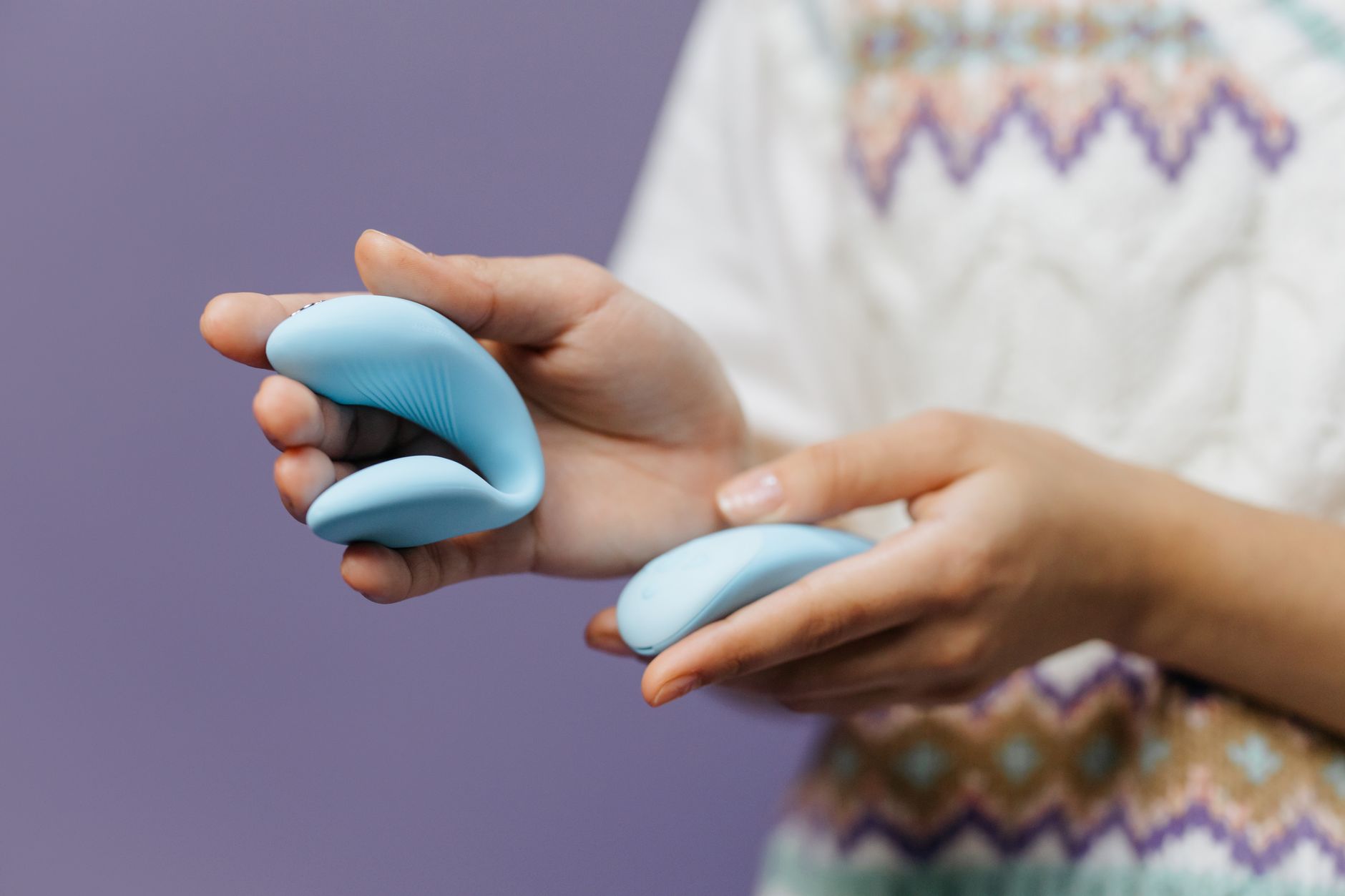
If you've mostly had partnered sex or used vibrators during couples play, jumping straight to high-intensity tools can backfire. Your clitoris hasn't been solo in a while. It needs time to remember what its own sensation feels like without the distraction of a partner's touch elsewhere on your body. This is where lemon clitoral vibrators are secretly brilliant for solo rediscovery. The suction-based stimulation of lemon adult toys feels gentler on initial exploration because you're not getting the intense, direct friction of a traditional vibrator. It's more like a rolling wave of sensation than a jackhammer.
Start with pattern 1 or 2. Not because you're fragile, but because you want to feel your own body's responses clearly. No noise from intensity drowning out the signal. Spend 20 to 30 minutes just noticing. What patterns feel closest to something? Which ones make your breath change? You're building a sensory map that belongs only to you.
Timing matters more than you think
When you were with a partner, you had sex on their schedule. Or you compromised on schedules. Or you initiated when you knew they'd be receptive. Now you have zero constraints. The temptation is to treat solo exploration like a scheduled chore. Block it off. Make it official. Actually, that's the opposite of what helps.
I recommend exploring pleasure in small moments, scattered through your week. A Wednesday morning before work. Friday late night when you're tired but not exhausted. Sunday afternoon when the world feels slower. This teaches your body that pleasure isn't a separate, bordered-off activity. It's woven into regular life. The more normalized it becomes, the easier it is to access genuine arousal instead of performing arousal.
The mental hurdle nobody talks about
Here's the invisible part: most people coming out of long relationships have a small voice in their head that says, "This is sad. You should have a partner. This solo thing is the consolation prize." That voice kills arousal instantly. Not because solo sex is actually sad, but because you're believing a story that it is.
I work with clients on reframing this deliberately. Solo exploration isn't what you do when you can't have a partner. It's what you do because your pleasure belongs to you, full stop. It always has. The relationship didn't create your capacity for orgasm. The person leaving doesn't get to take it with them. You're reclaiming something that was always yours.
One practical tool: before you explore, write down one sentence about why you're doing this. Not "because I'm lonely." Something like, "I want to know what my body is capable of when I'm the only one directing it" or "I'm learning what I actually like instead of what worked for someone else." Read it. It sounds simple, and it works. Intention shifts neurochemistry.
Why lemon vibrators work particularly well here
Lemon sucker-style toys are excellent for solo rediscovery because they give you finer control over intensity. You can start gentle, build slowly, back off if you're overwhelmed, ramp up again. The sensation is also different enough from penetrative sex that it doesn't trigger the "this isn't partnered sex so it's incomplete" narrative. It's its own thing. Your own thing.
Many people also find that lemon sexual toys create a different kind of orgasm in solo context than they experienced during partnered sex. Softer. More centered. Less about performance or getting to a finish line. That's not a failing. That's your body finally prioritizing what feels good to it, not what looks good or takes the right amount of time.
The practical logistics
Set up your space like you mean it. Not some frantic under-the-covers situation where you're half-listening for the door. A locked room. Comfortable temperature. Lubrication nearby (water-based works with all materials). Your lemon clitoral vibrator charged. Dim lighting or whatever helps you feel less self-conscious. This isn't luxury. It's the baseline conditions that let your nervous system relax enough to feel anything at all.
Start the exploration with zero goal. Not "I need to have an orgasm." Not "I need to last a certain amount of time." Just sensation. What does this feel like? What happens if you use this pattern for three minutes? What if you switch patterns halfway through? You're gathering data. The orgasm is a bonus, not the metric of success.
When grief shows up during pleasure
This is real and more common than people admit. You're stimulating your clitoris, and suddenly you're crying. Or you feel hollow. Or you're angry. That's not a sign that solo exploration is wrong. That's grief doing its job. Your body held pleasure in partnership for years. Of course there's loss mixed in with the reclamation. Let it be there. Cry. Pause. Come back to it later. Your body is learning how to hold pleasure without someone else present. That's a bigger emotional shift than most people acknowledge.
When to expect the breakthrough
Usually by week four or five of regular solo exploration, something shifts. Your body stops feeling like an awkward relic from a paired life and starts feeling like home again. Your arousal gets faster to access. The orgasms get more reliable. You stop feeling like you're doing something wrong. You start feeling like you're doing something for you, which is radically different.
Most people also find that they have more orgasms alone in this solo rediscovery phase than they did in the relationship, at least for a while. Again, not because the relationship was bad. Because you're not managing anyone else's experience. You're not performing. You're just present with your own body, which turns out to be a really efficient way to have pleasure.
FAQ
How long does it usually take to feel comfortable with solo exploration after a breakup?
Most people find their groove between three to eight weeks of regular practice. That said, comfort is different from desire. You might feel logistically comfortable using a lemon vibrator in week two but not feel genuine arousal until week five. That's normal. You're rewiring both the physical pathways and the emotional permission simultaneously.
Is it normal to feel guilty about having orgasms without a partner?
Completely. You spent years associating your pleasure with someone else's presence. Your nervous system learned that pattern. Guilt is just your brain saying, "Wait, where's the other person?" It fades as you reinforce the new pattern. The more orgasms you have solo, the less your guilt will have to say.
Can I use the same lemon clitoral vibrator I used during my relationship?
Yes, but many people find it helpful to either get a new one or give themselves a fresh start with it anyway. There's something psychologically powerful about a "this is my solo pleasure device" mentality, even if it's the same physical object. If you want to try a fresh lemon adult toy, that works too. The Lemon Vibrator Store has several options depending on what intensity level feels right.
Should I be exploring with a partner in mind, or purely for myself?
Purely for you, at least for the first month or two. You're not practice-running for the next relationship. You're learning your own body on its own terms. Once you've done that groundwork, partnered exploration becomes way more interesting because you actually know what you want to ask for.
What if I'm not having orgasms during solo exploration?
That's extremely common in the first few weeks, and it doesn't mean anything is wrong. Your nervous system might still be too activated by the life change. You might need longer warm-up time. You might need a different pattern or intensity level from your lemon vibrator. Try adjusting one variable at a time. Change the pattern. Extend the session. Adjust the pressure. Give it four or five sessions before you assume anything is off.
Is it weird that solo pleasure feels different physically than partnered sex?
Nope. Your entire nervous system is in a different state. Partner-sex-you and solo-you are having different physiological experiences. The sensations will land differently. The orgasms might feel different. That's not a downgrade. It's just a different type of pleasure. Both can be really good.