Let's start with the real part
Sexual trauma rewires your nervous system. Your body learns to protect itself by going numb, tensing, or flooding with panic at moments that should feel good. Pleasure becomes something that happens to you instead of something you choose. Reclaiming that agency is possible. It's also not linear, and it's not fast. But it's real.
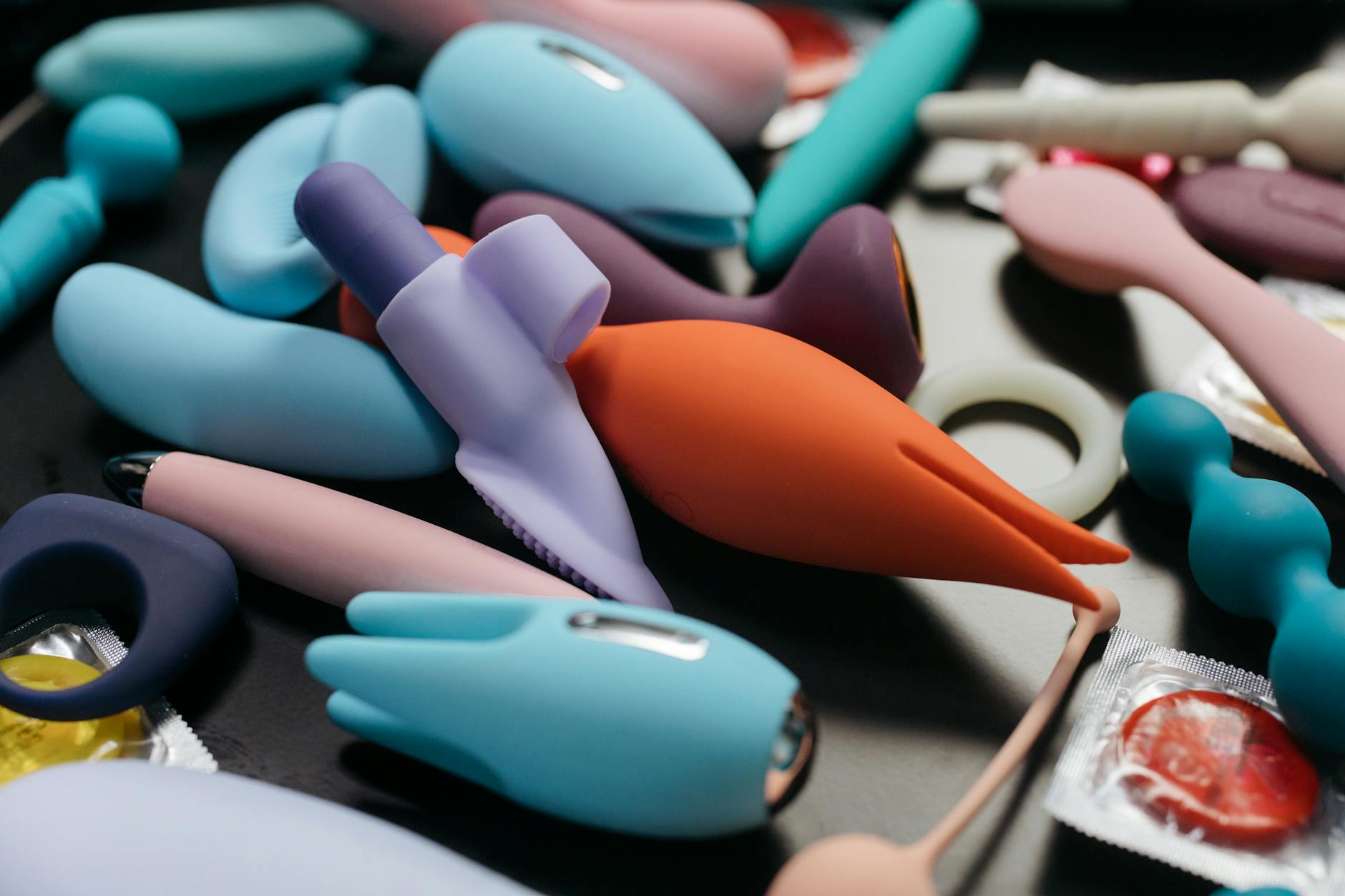
Here's what I've seen work for survivors in my practice: tools that put control firmly in your hands. Air-suction lemon vibrators do that differently than traditional vibrators because they don't require penetration, they don't demand speed, and they let you set the exact intensity at every moment. That matters more than you might think.
Why air-suction design changes everything for survivors
Most clitoral vibrators work through direct vibration. You apply them, they buzz, your body responds or doesn't. For many survivors, that directness feels like loss of control. The sensation happens to you rather than with you.
A lemon vibrator works differently. The air-suction technology creates gentle waves of pressure and release. You feel the pattern, not an overwhelming buzz. You can start at the lowest setting and stay there for as long as you need. Most importantly, you can remove it instantly. That split-second knowledge that you're never trapped into sensation is massive for nervous system healing.
The sensations are also gentler on sensitive or guarded tissue. Trauma tension makes the pelvic floor hold tight. When you try to touch yourself, that tension intensifies. Air-suction reduces that gagging response because it's not aggressive friction. It's more like a gentle sip than a demand.
Starting from zero: the first session alone
First rule: no expectations. You're not trying to orgasm. You're not proving anything to anyone. You're just gathering information about what your body can tolerate right now.
Pick a time when you have at least an hour and zero pressure afterward. Not the night before a big work thing. Not when your partner is in the next room waiting. Just you.
Start fully clothed. Seriously. Hold the lemon vibrator over your clothes. Put it on the lowest setting. See what that feels like on your inner thigh, your lower belly, your hip bone. Notice: does your body release tension or tighten? Does your nervous system feel safer or more alert? There's no right answer. You're just observing.
If clothed contact feels okay, try it on bare skin. Lower abdomen first. Then, if you want, move toward the external vulva without entering anything. Use a water-based lubricant even if you don't think you need it. Lubrication is not about arousal right now. It's about removing friction so your nervous system doesn't have to guard.
If at any point you feel a freeze response, dissociation, or body memory, stop. This isn't failure. You learned something. Step away. Drink water. Come back in three days.
Managing the freeze response
One of the hardest parts of trauma recovery is the freeze response. Your body goes numb. You feel absent from yourself. With a partner or even alone, this can feel devastating.
When the freeze hits during any kind of pleasure activity, stop immediately. Don't push through. Pushing teaches your nervous system that ignoring its own signals is the goal. That's the opposite of what you're rebuilding.
Instead, ground yourself. Name five things you can see. Feel your feet on the floor. Touch your own arm and notice the texture. Come back into your body in neutral ways. Once you feel present again, you can decide if you want to continue. Most of the time, the answer is no, and that's the win. Your body is communicating. You're listening.
Introducing lemon vibrators with a partner
If you're working toward partnered sex after trauma, or just rebuilding intimacy, a lemon vibrator can be less triggering than partner touch because it's predictable and impersonal. That sounds clinical, but it's actually protective.
Have a conversation outside the bedroom first. Tell your partner: "I want to use a lemon vibrator. It helps me feel safe because I control the intensity and I can stop instantly. It's not about you. It's about rebuilding my own sensations." If your partner has the capacity to understand this, they might sit nearby and read or talk to you gently. If they make it weird, that's information about your relationship that's worth sitting with.
During the session, your partner should do nothing unless you ask. No offering suggestions. No touching you. No commentary. They're a calm presence, not a coach. If you want them to narrate what they observe ("I can see you're breathing deeper"), that's fine. If you want silence, that's better.
The timeline no one talks about
Some survivors feel reconnected to pleasure within weeks. Some take years. Both are normal. The difference is usually not how bad the trauma was. It's how much time you're investing in nervous system work.
Therapy helps. Somatic therapists and EMDR practitioners especially. So does yoga, walking, cold water immersion, and basically anything that teaches your body it's safe in the present moment. Using a lemon vibrator alone, without that foundation, might feel good temporarily but won't create lasting change.
The vibrator is a tool. The real work is teaching your nervous system that pleasure is something you can have without danger.
Medication and numbing: what to expect
If you're on antidepressants or anti-anxiety medication, pleasure might feel muted. That's not failure. That's chemistry. Some medications flatten arousal more than others. Talk to your prescriber about whether a dose adjustment or timing change might help, but never stop medication to have better orgasms. Your mental health comes first.
In the meantime, lemon vibrators can help because the sensation is gentler and easier to feel than traditional vibration. Some survivors report that they can feel the suction even when they can't feel typical vibration.
Red flags that you need more support
If you're experiencing intense dissociation every time you touch yourself, that's a sign you need more therapy before you use any vibrator. If you're using the vibrator to numb rather than to connect, pause. If your only feeling during solo pleasure is shame or obligation, something is off.
A good sex therapist or somatic experiencing practitioner can help you distinguish between nervous system activation (which feels uncomfortable but is healing) and re-traumatization (which feels dangerous). Those are different, and you need professional support to tell the difference.
Building back toward partner sex
Once solo pleasure with a lemon vibrator feels somewhat stable, you might want to include a partner. Move slowly. Really slowly. Maybe the first step is your partner being in the room while you use the vibrator alone. The second step is your partner offering gentle touch to a non-sexual place while you use the vibrator. The third step is your partner using the vibrator on you while you give feedback.
Each of these is a separate conversation and a separate session. If any step triggers you, go back to the previous step. Healing is not linear. Progress is.
The thing about choice
Trauma takes choice away. Reclaiming pleasure is about taking choice back. A lemon vibrator is smaller, you control the intensity completely, and you can stop instantly. That's not just a feature. That's the whole point. Your body gets to decide when, how hard, and for how long. Nobody else. Just you.
This matters. Trauma recovery is slow because it requires rebuilding trust in your own body. Every time you use a tool like a lemon vibrator and you stay present and you stop when you want to stop, you're teaching your nervous system something crucial: you are in charge of your own sensation. You are safe. You matter.