Here's the thing about arousal timelines
You used to get there in five minutes. Now it takes twenty. And your brain immediately tells you something's wrong. Here's what I hear from almost everyone who experiences this shift: "I feel broken. My body used to work. Now I have to wait, and waiting makes me anxious, which makes it even harder to get aroused."
That spiral is real. But the delay itself isn't a malfunction. It's a signal that something has changed. And once you understand what's actually happening physiologically, you can stop fighting it and start working with it.
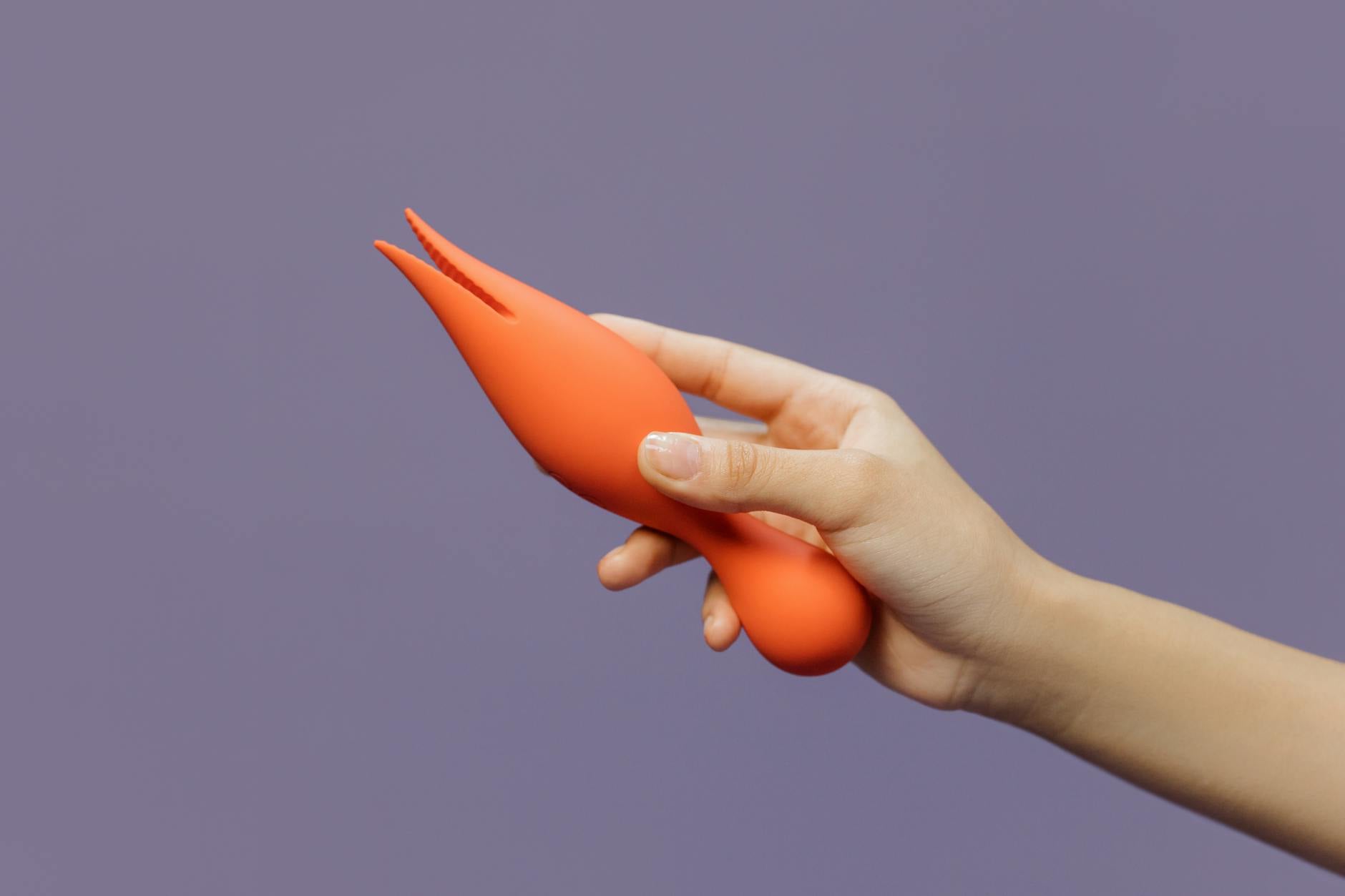
Arousal delays are one of the most common reasons people reach for a lemon vibrator or other clitoral vibrators after years of thinking they didn't need one. The thing is, they're not reaching for a vibrator because their body failed. They're reaching for it because it's a smart tool for a new reality.
Why arousal slows down (and it's usually not what you think)
There are about eight reasons this happens. Hormones (obvious). Stress (obvious). But also medication, sleep debt, relationship patterns, how you're breathing, whether you're thinking about your work email, and something called "cognitive load" that basically means your brain is too full to drop into pleasure.
The reason I'm listing all of this is because "my arousal takes longer now" doesn't mean one thing. It means you need to troubleshoot.
Start here: is this new in the last few months, or has it been creeping up over years? Did it coincide with something specific (new medication, relationship change, job stress, hormonal shift)? Are you able to get aroused solo more easily than with a partner? Does it happen every time or only sometimes?
The answers matter because they change your strategy. If it's stress and cognitive load, the solution involves mental setup before you even touch yourself. If it's hormonal, the solution might be longer foreplay or a different approach to stimulation. If it's relational, we're in different territory altogether.
The mental game: stop the anxiety spiral before it starts
Here's what usually happens. You want to have sex or pleasure solo. You set aside time. You get into position. You wait. Nothing happens. You get frustrated. The frustration kills arousal even faster. Now you're stressed about being stressed, and your nervous system is fully activated in the wrong direction.
I'm going to give you something that sounds simple but actually changes this dynamic: decide in advance that this session might take longer, and that's fine.
Not "it's fine" in a gritting-your-teeth way. Fine in a genuinely planned way. If you normally allot fifteen minutes, schedule thirty. If you usually dive straight in, plan to spend ten minutes on something that isn't directly sexual first. A shower, a specific song, a text exchange with your partner if that turns you on, reading something that lands.
This isn't just feel-good advice. It's nervous system management. When your brain knows you're not racing, it stops producing cortisol. When cortisol drops, arousal has actual room to build.
How to use a lemon vibrator when the buildup matters more than the destination
One of the reasons clitoral vibrators like Lemon's offerings are so useful here is that they skip the "wait for my body to produce enough natural lubrication and engorgement" step. You don't have to earn your way to responsiveness. You can start the conversation with your nervous system immediately.
Here's how I recommend using a lemon clitoral vibrator when arousal is slow:
Start low, stay there longer. Most people use vibrators on patterns three through five. When you're working with slow arousal, spend five to eight minutes on pattern one or two. Your clitoris will warm up. Sensation will build. You're not rushing to intensity. You're building a foundation.
Use it for mapping. Slow arousal is often paired with reduced sensation or changed sensation across your whole vulva. Use the vibrator slowly over different areas for thirty seconds to a minute each. Your inner labia, your outer labia, that spot just above your clitoris, directly on it. You're teaching yourself where sensitivity lives right now. This matters because sensation shifts. What felt amazing at twenty-five might feel different at forty. At thirty-five. After medication changes. After life changes.
Alternate between vibration and pause. This is one of the most underused techniques with vibrators. Ten seconds on, ten seconds off. Then twenty seconds on, five seconds off. You're creating rhythm and anticipation instead of steady stimulation. Your nervous system stays engaged because it's not habituating. Habituation is when constant input feels like nothing. Variation keeps sensation novel.
Combine it with something else. A lemon clitoral vibrator works beautifully with lubrication. Apply water-based lube generously, then use the vibrator. The lube reduces friction and lets you explore gentler patterns. It also gives you something to do mentally. You're tracking sensation through lubrication and vibration together, not waiting for your body to do all the work solo.
What slow arousal often really means about your relationship
Here's where I shift into the harder conversation, because arousal delays very often aren't about your body at all. They're about your brain and your relationship.
If arousal is slow with a partner but fast when you're alone, that's information. Usually, it means something about your dynamic with that person is occupying mental space. You might be managing their pleasure instead of dropping into your own. You might be distracted. You might need something you're not getting, and your body is responding to that need by pumping the brakes.
If arousal is slow whether you're alone or with a partner, but it's recent, check your stress level and your sleep. These are the two biggest hidden culprits. A week of five-hour nights will flatten desire faster than almost anything else.
And if arousal has been slow for months and nothing external has changed, it's worth asking yourself whether you actually want what's happening. Sometimes we keep showing up to sex because we think we should. Sometimes we're disconnected from our own desire. Sometimes we're grieving something we haven't named yet. A vibrator won't fix that. But honesty about it might.
The timing reset: building arousal into your actual life
Here's what I recommend for longer-term shifts in arousal buildup. Stop thinking of arousal as something that starts when you touch yourself. Start thinking of it as something that builds across your whole day.
A text from your partner at two in the afternoon. Ten minutes of stretching that feels good in your body. A song that hits. Reading something that lands. A shower where you pay attention to how water feels on your skin. These aren't foreplay. They're arousal architecture. They're lowering your baseline stress and raising your baseline sensitivity. By the time you reach for a vibrator, you're not starting from zero.
This is especially important if you're using a lemon vibrator with a partner. When arousal takes longer to build solo, it often takes longer in partnered contexts too. But partners can support this. The conversation doesn't have to be "I'm broken." It's "My arousal works differently now. Let's build it in together." That might mean longer foreplay. It might mean starting earlier in the day with touch that isn't sexual. It might mean trying things like how to use a lemon vibrator during partner foreplay without awkward timing, where the vibrator becomes part of the conversation instead of a backup plan.
Practical settings and sequences
If you're brand new to using a lemon vibrator and arousal takes a while to build, here's a five-to-ten minute sequence:
Pattern one, two minutes, low intensity, general exploration. You're warming up. This is not the part where you expect much sensation. It's the part where your nervous system knows something good is happening.
Pattern two, three minutes, focus on one area that feels most responsive. You're narrowing in. Your brain is starting to anticipate.
Pattern three, two minutes, alternating between direct contact and pulling away slightly. You're creating the rhythm I mentioned earlier.
If you want to keep going, you move to pattern four for one to two minutes. If you want to maintain and build, you stay in the pattern-two-and-three zone longer. There's no rule. You're listening to your body's response, not hitting a performance target.
The whole thing might take five minutes. It might take thirty. Both are correct. You're not trying to achieve orgasm in a specific timeframe. You're trying to feel arousal rebuild itself in real time.
Common friction points (and what to actually do about them)
"I feel like I'm taking too long and my partner is getting impatient." This is a communication issue, not an arousal issue. The solution is to have a conversation outside the bedroom. "My arousal works differently than it used to. Here's what helps. What would feel good for you?" If your partner can't handle that conversation, you have bigger relationship work to do. But most people can, if you actually ask.
"I get frustrated waiting and that kills the whole thing." You're still expecting arousal to be fast. Go back to the mental game section. Genuinely plan for longer. Bring something to do mentally while your body warms up. Some people use fantasy. Some use sensation focus. Some use specific music or audio. Find what keeps your brain engaged instead of impatient.
"My clitoris feels numb or responds really slowly even with the vibrator." Try how to use a lemon vibrator when your clitoris needs rest days. If numbness is new and persistent, see a doctor. If it's just duller some days, that's normal. Cycle variation, hormonal changes, and pure random biology all affect sensitivity.
People also ask
How long is normal for arousal to take? Anywhere from a few minutes to thirty minutes is normal. The average across most studies is somewhere around fifteen to twenty minutes for people with vulvas, though that varies wildly based on context, stress, relationship, medication, hormones, and individual neurology. There's no "should."
Can you use a lemon vibrator if you're not very aroused yet? Completely. One of the points of using a vibrator when arousal is slow is that you don't have to wait for natural lubrication or engorgement. A vibrator can actually speed up that process by increasing blood flow and nerve stimulation. Just add water-based lubricant so there's no friction on sensitive tissue.
Does using a vibrator make arousal take even longer over time? No. That's a common worry and it's not supported by evidence. Your clitoris doesn't get "used to" vibration in a way that breaks arousal. You might habituate to a specific pattern if you use the exact same one every single time, which is why varying patterns and intensity matters.
What if arousal is slow because of medication? Talk to the doctor who prescribed it. Some medications genuinely do flatten arousal. Some do for the first few weeks and then your body adjusts. Some don't affect arousal directly but affect your mental state in a way that tanks desire. Your doctor can't help you problem-solve if they don't know it's a problem. And there might be adjustments or alternatives worth trying.
Is slow arousal a sign my relationship is failing? Not necessarily. It can be. But slow arousal is much more often about stress, hormones, sleep, medication, or just aging bodies working differently. Relationship problems do affect arousal. But so does a bad night's sleep. Don't jump to "we're doomed" if arousal slows down. Start with sleep, stress, and honest conversation first.
Can I use a lemon vibrator when I'm taking antidepressants and arousal is slow? Absolutely. If anything, a vibrator becomes more useful, because medication-related arousal delays are often about reduced sensation or harder-to-reach orgasm, not loss of desire. The mechanical stimulation helps bridge that gap. Read more about how to use a lemon vibrator when antidepressants affect your arousal for specific strategies.
The reframe
Slow arousal feels like a problem because we've been taught that sex should be fast, easy, and spontaneous. We've been taught that your body's job is to get you there. But bodies aren't machines. They're responsive systems that react to stress, hormones, relationship dynamics, sleep, and a thousand other variables.
When arousal slows down, your body isn't failing you. It's asking you to slow down. To pay attention. To notice what actually turns you on now, instead of what turned you on before. That's not a loss. It's an invitation.
A lemon clitoral vibrator is useful not because it fixes anything. It's useful because it gives you a tool to have the conversation your nervous system is trying to start. It lets you explore new sensation. It removes the pressure to perform your way into desire.
Sometimes the slowness is temporary. Sometimes it's a new normal. Either way, your pleasure still matters. Your arousal still counts, even if it takes longer. And getting to know your body in this new timeline is genuinely valuable work.
If you want to explore more about how your body has changed and how to work with it, reach out. We can talk through what you're experiencing and what might actually help.