Let's talk about the thing nobody wants to admit
Your clitoris has stopped responding. You're using the same toy, the same pressure, maybe even the same fantasy, and it's just... not there. The sensation feels dull or distant, like you're touching someone else's body. This is clitoral desensitization, and it happens to a lot of people.
Here's what I want you to know first: this is not permanent damage. It's not a sign that you've broken anything. It's your nervous system doing exactly what nervous systems do when they're overstimulated. The good news? You can absolutely rebuild sensation.
What desensitization actually is
Clitoral desensitization isn't mysterious. It's a form of receptor fatigue. Your clitoris has thousands of nerve endings, and when they're exposed to the same intensity, frequency, or pattern repeatedly, they stop firing as vigorously. It's the same reason your phone vibration stops feeling like anything after a few months, or why a familiar smell fades from your awareness.
There are three main drivers I see in my practice. First, frequency and intensity creep. Most people gradually turn up the power or use their toy more often without noticing. Second, pattern dependency. Using the same setting or rhythm trains your nerves to expect that specific stimulus, so anything different feels muted. Third, insufficient rest between sessions. The clitoris, like any other part of your body, needs recovery time.
For some people, hormonal changes accelerate it. For others, it's pure habit. Either way, the mechanism is biological, not psychological.
Why lemon vibrators work differently
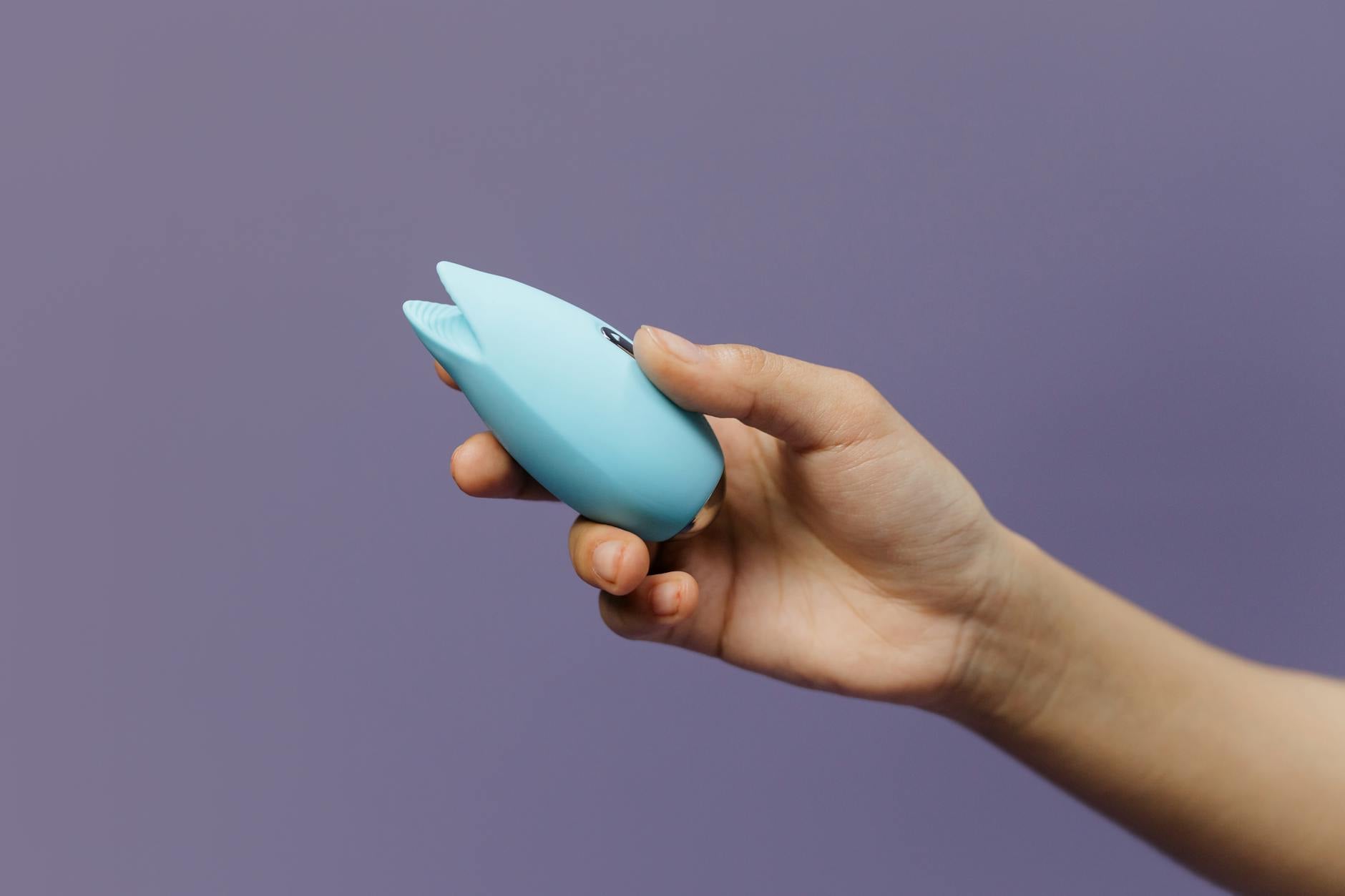
Lemon vibrators and devices using suction technology operate on a different neural pathway than traditional vibrators. Rather than relying on rapid oscillation, suction-based toys like the Lem clitoral vibrator create a gentler pulsing sensation that stimulates the broader erectile tissue surrounding the clitoris, not just the surface nerves.
This matters because desensitized nerves often respond better to novelty and variation. When you've been relying on a single type of vibrator for months or years, switching to a lemon sucker introduces unfamiliar sensations. Your nervous system wakes up. The sensation feels fresher because it is genuinely different.
Additionally, because suction spreads stimulation across a larger area rather than concentrating it on a single point, there's less risk of over-targeting specific nerves. This gentler approach is often exactly what desensitized tissue needs.
The rebuilding protocol that actually works
Here's my framework for restoring sensation. It takes patience, but the results are worth it.
Phase one: the reset. Take a full week off from clitoral stimulation entirely. Not five days. Seven days. This isn't punishment. It's literally allowing your nervous system to recalibrate. During this time, you can have sex with a partner or explore other forms of touch, but hands off the clitoris and no vibrators.
Phase two: introduce novelty slowly. Start with a lemon vibrator at the lowest setting. Not because you need low power (you don't), but because starting low establishes a baseline. Spend 10 minutes with just that single setting. Don't chase orgasm. The goal is to notice sensation, not to achieve anything.
Phase three: pattern variation. Once you feel sensation returning, switch between settings more frequently. Use pattern one for 30 seconds, then pattern two for 30 seconds. This trains your nervous system to stay alert rather than anticipate a predictable rhythm.
Phase four: introduce breaks within sessions. Stop for 30 seconds every five minutes. Let sensation rebuild between stimulation. This mimics what happens naturally during partnered sex and keeps nerves responsive.
The entire process typically takes four to six weeks, depending on how long desensitization has been happening.
What to do about partner dynamics
If you're rebuilding sensation with a partner involved, the conversation matters as much as the protocol. Partners often interpret slower progress or lower arousal as rejection or loss of desire, which adds anxiety to an already delicate situation.
Frame it clearly: "My body is resetting. This is temporary, and it actually means more sensation for both of us when we get through it." Some couples find that this phase creates an opportunity to explore non-goal-oriented intimacy. Instead of working toward orgasm, you're experimenting with touch and presence. Paradoxically, this sometimes leads to better sex overall.
The temptation trap
Once you start feeling sensation return, the urge to go back to your old intensity is massive. You've missed that feeling, and suddenly it's there again. Don't do it. This is the most common way people re-trigger desensitization in weeks two or three.
Instead, celebrate small wins. When pattern one starts feeling genuinely pleasant instead of neutral, that's progress. When you notice spontaneous clitoral response to touch outside of toy use, that's major progress. When you can feel orgasm building slowly again, you're basically done.
Why frequency and intensity matter differently now
Once you've rebuilt sensation, the maintenance piece is real. You don't need to avoid vibrators entirely going forward, but intentionality beats spontaneity. Using a lemon vibrator three times a week at moderate settings is entirely sustainable. Using it daily at maximum power for 30 minutes will eventually bring you right back here.
I also recommend rotating between devices or sensations. If you primarily use a suction toy, occasionally exploring a wand or a different lemon sexual toy keeps your nervous system engaged. Pattern variation built into your regular practice prevents desensitization from creeping back in.
For people in long-term relationships, this is also an opportunity to reintroduce partnered stimulation more deliberately. Your partner's hands, mouth, or a different tool altogether might feel completely novel compared to your usual vibrator.
When to seek help beyond rebuilding at home
If you're four weeks into the protocol and sensation still hasn't returned, there might be something else at play. Hormonal factors, medications, nerve damage, or underlying conditions can all affect clitoral sensation. A gynecologist familiar with sexual health can rule out medical factors.
Also reach out if desensitization keeps recurring despite variation and rest. That pattern often signals anxiety, partner dynamics, or a need for deeper conversation about pleasure itself. A therapist specializing in sexual health can help you sort that out.
Clitoral desensitization is fixable. You're not broken. Your body is just asking for a different approach.
Frequently asked questions
How long does it take to rebuild clitoral sensation after desensitization?
Most people notice improved sensation within three to four weeks of consistent reset protocol. Full sensation restoration typically happens by six weeks. Some people feel changes sooner, especially if desensitization was relatively recent. The key variable is how long you've been overstimulating before you start the reset. The longer the pattern, the longer the rebuild.
Can I use a lemon vibrator while rebuilding sensation, or should I avoid all vibrators?
Lemon vibrators are actually ideal for rebuilding because their suction mechanism stimulates nerves differently than traditional vibrators. Start with a suction toy at low settings rather than avoiding vibrators entirely. This introduces novelty while still allowing gradual nerve re-engagement. Avoid whatever tool or pattern you were using most intensely during the desensitization phase.
Is clitoral desensitization permanent if you keep using vibrators at high intensity?
No. Even after years of heavy vibrator use, taking a proper reset break (one to two weeks off) combined with intentional variation almost always restores sensation. However, if you return to the same intensity and frequency pattern, desensitization will happen again. The key is building sustainable habits around variation and rest.
Will rebuilding sensation help with partner sex, or just solo play?
Rebuild sensation, and nearly everything improves. You'll notice spontaneous arousal returning, partnered touch feeling more intense, and orgasms building more naturally during sex. Many couples report that their partner sex becomes more satisfying during and after the rebuild phase because sensation is restored across all contexts, not just during vibrator use.
Can hormonal changes or medications make clitoral desensitization worse?
Absolutely. Antidepressants, hormonal contraceptives, and hormonal shifts can all reduce baseline clitoral sensitivity, which accelerates desensitization if you're using a vibrator regularly. If you've recently started medication or noticed changes correlating with your cycle or menopause, mention this to your doctor. You might need to adjust medication timing, dosage, or type. Even so, the reset and rebuild protocol still works alongside medication adjustments.
What's the difference between desensitization and anorgasmia or arousal disorder?
Desensitization is specifically about numbness or dullness of sensation in the clitoris despite stimulation being present. You can still feel something, just not as intensely. Anorgasmia is the inability to reach orgasm. Arousal disorder is difficulty becoming aroused. They can overlap, but desensitization is purely about nerve responsiveness. If you're completely unable to feel the clitoris at all or can't become aroused in any circumstance, that warrants medical evaluation beyond the rebuild protocol.
Is it normal to need rest days during the rebuild phase?
Completely normal and actually encouraged. Your nervous system needs recovery time, especially in the first four weeks. Use a lemon vibrator or any other toy three to five times per week maximum during rebuild. On non-stimulation days, you can still have partnered sex or explore other forms of touch. This pace respects your nervous system while establishing new, sustainable habits.