
The real challenge with switching between solo and partner use
Let's be honest. Most people don't talk about this gap. You develop a rhythm with your lemon vibrator when you're alone. Then your partner shows up, and suddenly you're managing stimulation, their touch, your positioning, and the pressure of "performing" pleasure all at once. The lem vibrator that felt intuitive alone? Now it feels confusing.
Here's what I see clinically: people abandon their solo practice because they think partnered sex should feel the same. It doesn't, and it shouldn't. But you can get skilled at both without sacrificing either one.
Why solo and partnered sessions feel wildly different
When you're alone, you control everything. You know exactly where the suction is happening, what speed works, how long it takes your body to respond. There's no negotiation. Your brain isn't managing someone else's experience. You can focus entirely on sensation.
With a partner, three things change immediately. First, you're sharing space and attention. Second, their arousal, timing, and what they want to do affects your options. Third, there's often a subtle pressure to be "done" by a certain point or to respond in a recognizable way.
The lemon clitoral vibrator still works brilliantly in both contexts. But the entry point is different.
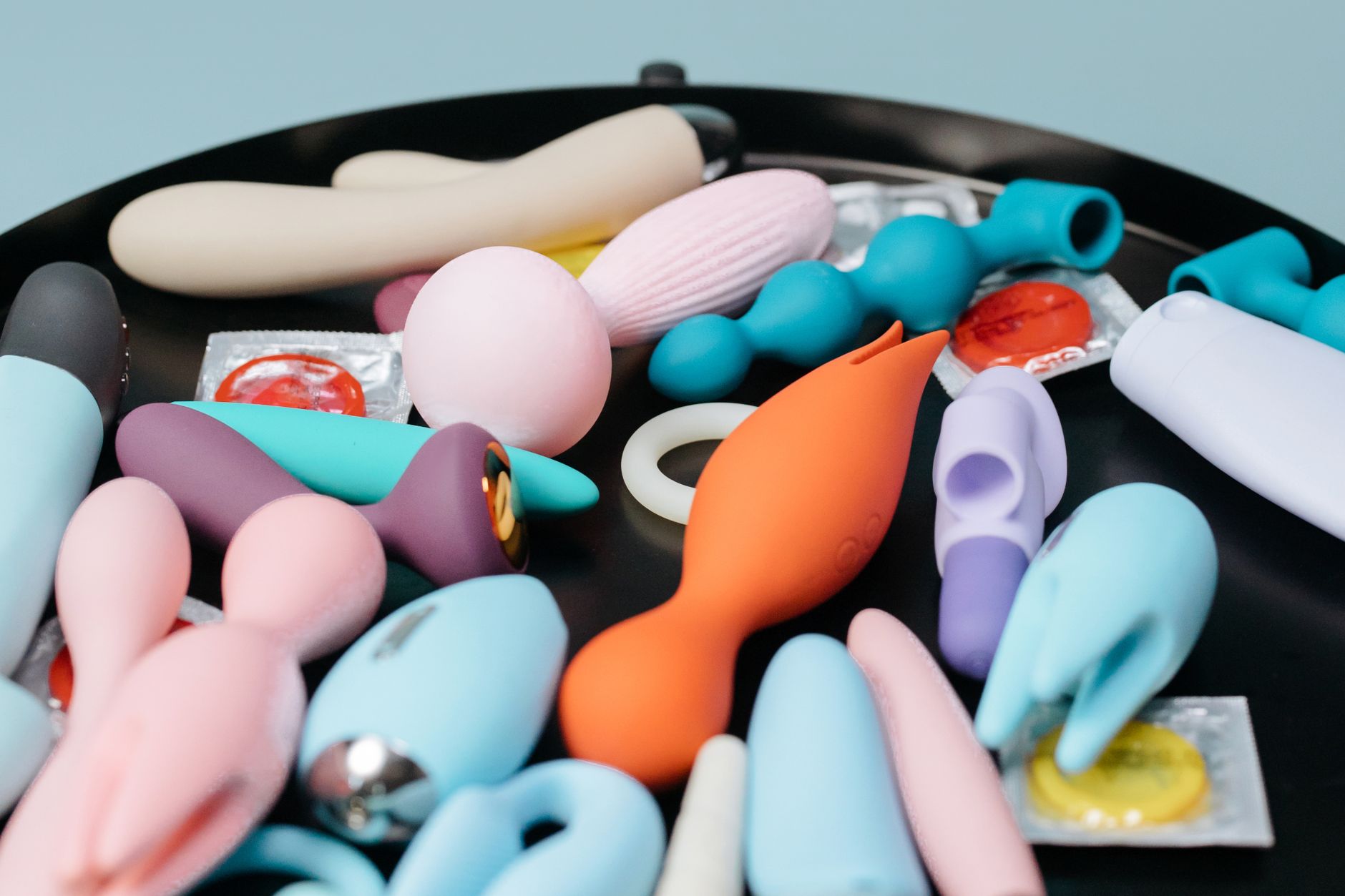
Photo by cottonbro studio on Pexels
Solo play: establishing your baseline
This is non-negotiable. Before you bring a lemon sucker or any clitoral vibrator into partnered play, you need to know your own body's response. That means at least 3-5 solo sessions where you're doing nothing but exploring your lem vibrator without planning sex with anyone else.
During solo sessions, I recommend:
Start low and build. Begin at pattern 1 or 2 on your lemon vibrator. Let your body warm up. Most people rush this part and then feel like the sensation is too intense or not intense enough. Give yourself 10-15 minutes before moving to a higher pattern.
Find your sweet spot pressure. Some people want the lem vibrator pressed firmly against their clitoris. Others prefer lighter contact with the edges. Neither is wrong. Solo time is when you figure out your preference without anyone watching.
Notice your rhythm. How long does arousal take to build? When do you hit the plateau where a pattern change helps? When does pressure feel better than suction pattern variation? These details matter enormously when your partner enters the equation.
Track what works. Honestly, write it down or make a note on your phone. "Patterns 3-4, medium pressure, about 12 minutes" gives you a map. You'll return to it later.
Partnered play: introducing your lemon vibrator
Once you've logged solo time, the conversation with your partner is key. Not a long negotiation. A simple one.
Here's what I recommend saying: "I've been exploring with my lemon vibrator on my own, and it's really good for me. I'd like to use it when we're together too. It's not instead of what you're doing. It's part of how we play."
Then show them the baseline you found solo. That means you might use your lemon clitoral vibrator while your partner uses their hands or mouth on you. It means they see what settings you prefer. It means there's no mystery or performance.
With a partner present, adjust three things from your solo practice:
Lower your starting pattern. If you usually begin at pattern 2 solo, start at pattern 1 when your partner is involved. Adding their touch (hands, mouth, penetration) means you're already getting more stimulation. You don't need to layer in the same intensity you use alone.
Expect arousal to build faster. The psychological component matters. Your partner's attention, touch, and arousal trigger your nervous system differently than solo play does. You might reach your plateau in 8-10 minutes instead of 12-15. That's not a failure. That's your body responding to presence.
Plan positions that work for the lem vibrator. You can use your lemon vibrator while receiving oral sex. You can use it during partnered penetration if you're on top or side-by-side. You can't easily use it during certain positions (you behind your partner, for example). Knowing your options beforehand removes the awkward mid-session puzzle.
The sensation question: do you lose intensity with a partner?
Maybe. Some people report that partnered play feels less intense than solo sessions, even with the same lemon vibrator at the same setting. This is usually psychological, not physical.
When you're alone, you're fully focused inward. With a partner, your attention is divided. Your nervous system is managing multiple inputs. That split attention can make the vibrator feel lighter than it actually is.
If that happens, two fixes: First, ask your partner to reduce other stimulation slightly, so you can feel the lem vibrator more clearly. Second, increase the pattern on your lemon sucker by one step. Move from 3 to 4. This usually recalibrates without being jarring.
Don't assume you need to add more stimulation overall. Usually you just need to redirect your attention back to the vibrator itself.
Managing rhythm and communication during partnered sessions
Here's where most partnerships stumble. Your partner doesn't know whether you're close to orgasm, whether you need them to stay still so you can concentrate, or whether you want them to move harder.
With a lemon clitoral vibrator in the picture, some signals shift. You can't always tell your partner verbally what you need because your breath might be shallow. Your body might tense in ways that look like "stop" but mean "stay right there."
So set signals beforehand. Not complicated ones. Something like: "If I squeeze your hand twice, keep doing what you're doing. One squeeze means slow down. Three means I'm close." Or: "If I push my hips down, that means the vibrator intensity is right. If I tilt my hips up, I need a bit more."
These non-verbal cues eliminate the guesswork. Your partner knows they're not mind-reading. You're not performing. Everyone's actually enjoying it.
Switching back to solo after partnered play
This is the overlooked part. Many people find that after they've had partnered sex with their lemon vibrator, they struggle to enjoy solo sessions the same way. The stimulation feels less powerful. The sensation feels mechanical instead of connected.
That's not the vibrator losing power. That's your nervous system recalibrating. Your body has learned that pleasure comes with presence and connection. Going back to solo play after consistent partnered play can feel like stepping into a quieter room.
Here's how to navigate it:
Don't try to recreate partnered sensation alone. That's a losing game. Instead, use solo sessions to deepen what's unique about them. More time. More exploration. Different positions. Permission to take longer. Your lemon clitoral vibrator actually shines in solo play because you can extend the experience, move between patterns freely, and focus on sensation without managing anyone else's experience.
If solo play feels flat after partnered use, try using your lem vibrator without an orgasm goal for a session or two. Explore sensation. Try different patterns. Use it in different positions. This resets your nervous system and reminds you why solo pleasure matters.
The long game: pleasure consistency across both contexts
My clinical experience shows that people with the strongest pleasure response actually maintain active solo practice alongside partnered sex. It's not either-or. Both matter. Your solo sessions keep you attuned to your body. Your partnered sessions teach you how to receive and share pleasure.
With a lemon vibrator as part of your toolkit, you can do both really well. The key is treating them as separate practices with separate value. Your solo sessions with the lem vibrator are when you recharge. Your partnered sessions are when you connect. Neither replaces the other.
That's when the magic happens. You're not trying to make one context feel like the other. You're skilled in both. Your partner understands your body. You understand your body. And your lemon sucker becomes genuinely useful in every setting.
FAQ: common questions about switching between solo and partnered lemon vibrator use
Can you use the same lemon vibrator for both solo and partnered play without losing sensation?
Completely. The lem vibrator doesn't degrade from use in different contexts. What changes is your nervous system's response. Solo play feels different from partnered play because attention and arousal pathways are different, not because the toy is wearing out. If the vibrator itself feels weaker over time, that's usually a battery or contact issue, not a pleasure issue.
Should you use a different pattern when your partner is involved?
Yes, usually a lower starting pattern. Since your partner is already providing stimulation, you're layering sensations rather than creating all of it solo. Start one pattern lower than your solo baseline, then increase if you need to. This prevents overstimulation and helps you feel all the layers of what's happening.
What if your partner feels insecure about the lemon vibrator during sex?
This is about communication, not the toy. Most insecurity comes from partners feeling like the vibrator is replacing them or that you're choosing it over them. The actual conversation is: "This vibrator is how my body works best. You're central to this experience. They're not competing." If your partner is still uncomfortable after that conversation, there's relationship work to do, and that's worth exploring with a counselor.
How often should you use your lemon clitoral vibrator solo if you're having partnered sex regularly?
At least once a week. Solo sessions keep you connected to your own arousal. They're not about replacing partnership. They're about maintaining your baseline. Some weeks you might use it more, some less. But consistency matters for pleasure literacy. You want to know your body independently of anyone else's presence.
Does using a lemon vibrator with a partner change how orgasms feel?
Often yes, and it's usually a good change. Partnered orgasms tend to feel fuller or more whole than solo orgasms because you have another person's energy in the room. But they can also feel different in rhythm or intensity. Neither is better. They're just different neural and emotional experiences. Both are worth having.
Can you orgasm faster or slower with your partner present, even using the same lemon sucker setting?
Yes, easily. Psychological arousal matters hugely. Some people orgasm faster with a partner because safety and attention trigger faster arousal. Others take longer because they're managing someone else's pace or anxious about performance. Neither pattern is permanent. As you get more comfortable with partnered use of your lemon vibrator, the time typically normalizes.
The bottom line
Your lemon vibrator works brilliantly in both solo and partnered contexts. The skill isn't in the toy. It's in understanding that solo and partnered play are different activities with different nervous system signatures. When you respect that difference instead of trying to force one to feel like the other, both get better. Your solo sessions become deeper. Your partnered sessions become more connected. And you stop wondering why something that felt perfect alone feels different with your partner present. It's supposed to.