The truth about stopping hormonal birth control
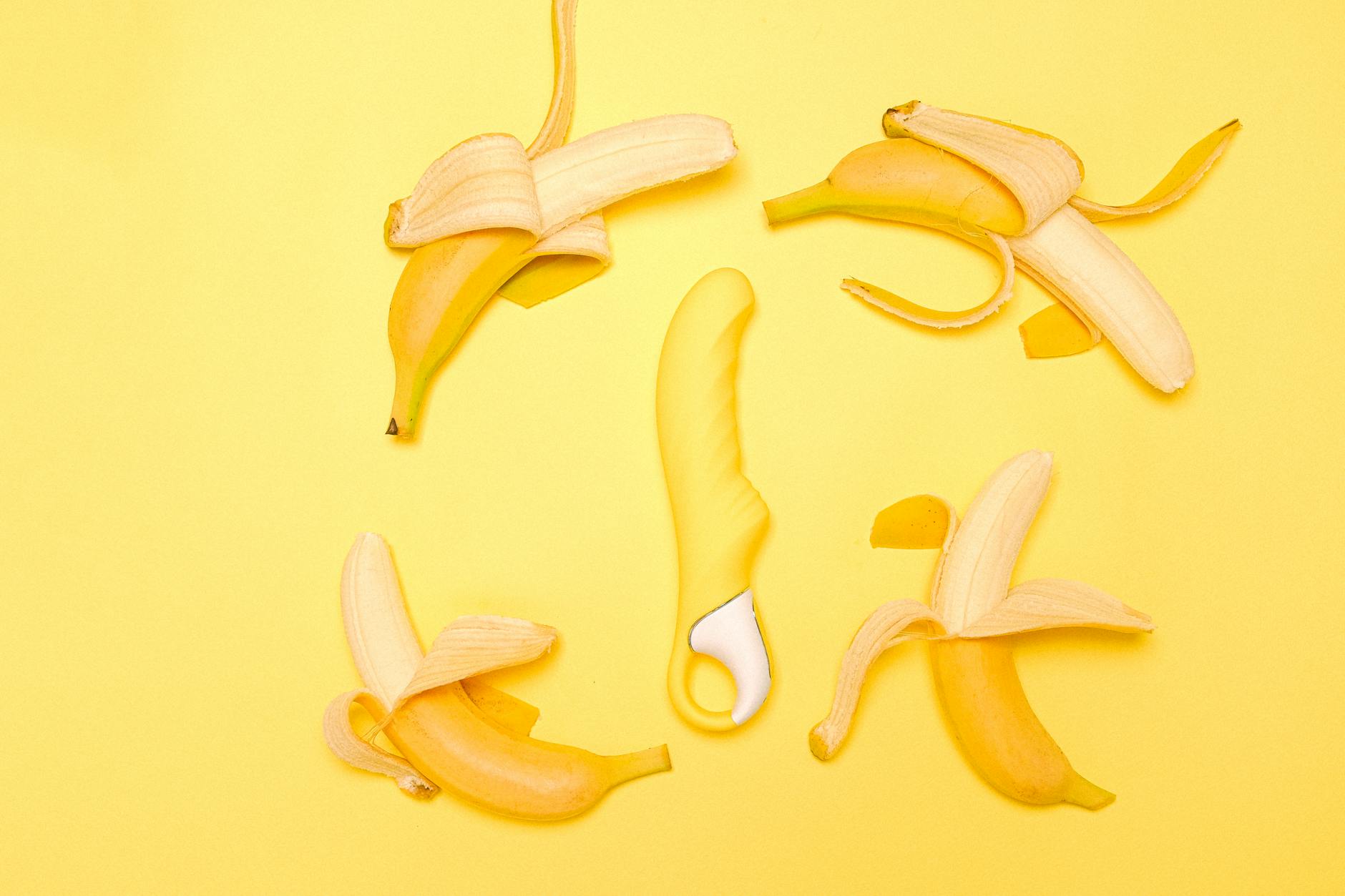
Honestly, nobody tells you this part. Stopping the pill doesn't just mean no more daily medication or worrying about refills. It means your entire neurochemical landscape rewires over the next few weeks. Your hormones cycle for the first time in years, your libido might spike or crash, and yes, your pleasure response feels completely different. If you're used to using a lemon vibrator or any clitoral vibrator, the sensation might feel weird, muted, or unexpectedly intense.
That's not broken. That's normal. But it's also not something you just have to tolerate. Understanding what's actually happening physically makes the transition smoother and your pleasure better.
What hormonal birth control actually does to your body
Hormonal birth control suppresses your natural hormone cycle. The pill keeps estrogen and progestin at steady, flat levels year-round. Your body doesn't experience the peaks and dips that normally happen across a menstrual cycle. For many people, this feels like a relief. Steady hormones mean stable mood, predictable periods, fewer cramps.
But here's what that flatness does to pleasure: it dampens the natural fluctuations in desire, arousal, and sensation that come with cycling hormones. Estrogen affects vaginal lubrication, clitoral sensitivity, and the speed at which your body moves into arousal. Testosterone, which rises in the follicular phase of a natural cycle, drives desire. When you're on the pill, these highs and lows disappear. Many people don't realize how much they've been missing until they stop.
When you quit, your hormones don't just return to baseline. They swing. Hard. In the first weeks off hormonal birth control, you might experience:
- A surge in testosterone (which means libido might spike)
- Fluctuating estrogen (which affects lubrication and clitoral sensitivity)
- Unpredictable mood and energy shifts
- Heightened awareness of your own body
Why your lemon vibrator feels different now
A lemon clitoral vibrator works through gentle air-suction stimulation, not traditional buzzing. This means it's extremely responsive to changes in tissue thickness, lubrication, and nerve sensitivity. When you're on hormonal birth control, your clitoral tissue is thinner and less engorged, partly because of lower estrogen. The sensation you got from your lemon vibrator was calibrated to that baseline.
Now that you're off the pill, estrogen is cycling naturally again. In the first half of your menstrual cycle, estrogen rises. This means more blood flow to your clitoris, thicker tissue, and heightened sensitivity. The lemon vibrator that felt gentle before might suddenly feel intense. Some people describe it as almost overwhelming.
In the second half of your cycle, progesterone rises and estrogen dips. Your clitoris becomes less engorged, lubrication might decrease, and the sensation from air-suction stimulation can feel flatter or require more intensity to register.
This isn't a flaw. It's your body remembering what it was supposed to feel like. But you'll need to adjust how you use your lemon vibrator across your cycle.
Recalibrating sensation in the first four weeks
Your hormones don't stabilize immediately after stopping the pill. It takes about four weeks for your cycle to restart, and months for your body to find its natural rhythm. During this transition window, your pleasure response is in flux.
Start conservatively with your lemon clitoral vibrator. If you were using pattern 3 or 4 before, drop back to pattern 1 or 2. The sensitivity you're experiencing is real. Using a lower intensity setting prevents overstimulation and helps your nervous system recalibrate without numbing.
Pay attention to where you are in your cycle, even if it's irregular. If you notice the lemon vibrator feeling more intense mid-cycle, that's your estrogen peak. That's normal. If it feels muted a week later, that's progesterone. Your pleasure is supposed to vary. Fighting that variation causes frustration. Working with it feels better.
What to expect as your cycle restarts
Once you start menstruating again, your hormone cycle has a predictable shape, even if your cycle length is a bit all over the place at first. This is useful information for pleasure.
Days 1-5 (menstruation): Your hormones are at their lowest. You might feel less interested in clitoral stimulation. If you do use your lemon vibrator, lower intensity and longer warm-up time help. Some people skip it entirely during this phase and that's fine.
Days 6-14 (follicular phase): Estrogen is climbing. Your clitoris becomes more engorged, lubrication increases, and sensitivity sharpens. This is often when a lemon vibrator feels the most pleasurable. You might be able to use higher intensity settings without discomfort.
Day 14 (ovulation): Testosterone spikes. Your desire peaks. Some people experience some of their most intense orgasms during this window.
Days 15-28 (luteal phase): Progesterone rises, estrogen dips. Your clitoris becomes less engorged. A lemon vibrator might feel less intense. You might need longer warm-up time or higher intensity settings to achieve the same sensation.
Lubrication and sensation after stopping the pill
Many people notice that lubrication changes after quitting hormonal birth control. Some produce more natural lubrication. Some produce less. Both are normal, and both affect how air-suction stimulation feels.
If lubrication increased, congratulations. Your lemon vibrator likely feels even more responsive. If it decreased, you have options. Water-based lubricant works beautifully with silicone lemon vibrators. It doesn't damage the toy and gives your tissue the cushion it needs for comfortable stimulation, especially if you're still adjusting to the sensation changes.
One thing to know: after months or years on the pill, your body might take a few months to fully restore its natural lubrication capacity. This doesn't mean anything is wrong. It means patience helps. Use lube if you need it, without shame or frustration.
Emotional and mental shifts after stopping the pill
Hormone cycling affects mood, energy, and how you experience pleasure emotionally. Many people report that stopping the pill changes their relationship to their own body. Some feel more present during sex. Some experience anxiety in the luteal phase that they didn't have before. Some feel more confident, more in their skin, more capable of asking for what they want.
This is the neurochemistry of hormones at work. If you have a partner, they might notice these shifts too. Desire might spike suddenly mid-cycle. Energy might dip the week before menstruation. Emotional availability shifts.
When you're recalibrating pleasure with a lemon vibrator during this time, remember that pleasure isn't just physical. It's also emotional and mental. If you're feeling anxious or disconnected from your body mid-cycle, slower warm-up time and lower intensity settings help. If you're feeling confident and present, you might explore higher settings. Neither is better. They're just different chapters of your cycle.
Combining lemon vibrator use with natural cycle awareness
Several of my clients keep a simple chart of their cycle and how different intensities and patterns of their lemon vibrator feel across different weeks. This isn't obsessive. It's just data. Week 1, the lemon vibrator at pattern 2 felt perfect. Week 3, the same setting felt muted. That's useful information.
You can also pair your lemon clitoral vibrator with cycle-tracking awareness. Apps like Clue or Flo track hormones alongside your other observations. Over two or three cycles, patterns emerge. You'll know when to expect heightened sensitivity. You'll know when you need more lubrication. You'll know when longer warm-up time helps.
This transforms what could feel like chaos into something you understand and can work with. Your pleasure becomes less random and more navigable.
When to seek support
Most people adjust within two to three months of stopping the pill. If you're six months out and still experiencing unpredictable pain, dramatic mood swings, or complete loss of libido, talk to your doctor. Post-pill syndrome is real. Some people need support rebalancing their hormones after long-term hormonal contraception.
If you're using your lemon vibrator and experiencing pain rather than pleasure, that's also worth checking. Sometimes stopping the pill reveals underlying issues like vaginismus or pelvic floor tension. A pelvic floor physical therapist can help if this is happening.
Likewise, if your libido hasn't returned after three months, or if you're experiencing depression or anxiety, that's real and treatable. You don't have to white-knuckle through it. Talking to a therapist or doctor who understands post-pill transitions helps.
The bigger picture
Stopping hormonal birth control is a major life transition for your body. Your pleasure is part of that transition, not separate from it. Using a lemon vibrator during this time means paying attention to what's actually happening physically and hormonally, adjusting your approach as you learn your cycle, and being patient with the fact that your body needs a few months to remember its own rhythm.
Your pleasure will stabilize. It often becomes richer than it was on the pill, because it's tied back into your natural cycle. You're not fighting your body's signals anymore. You're working with them. That's the difference between pleasure that feels muted and pleasure that feels real.