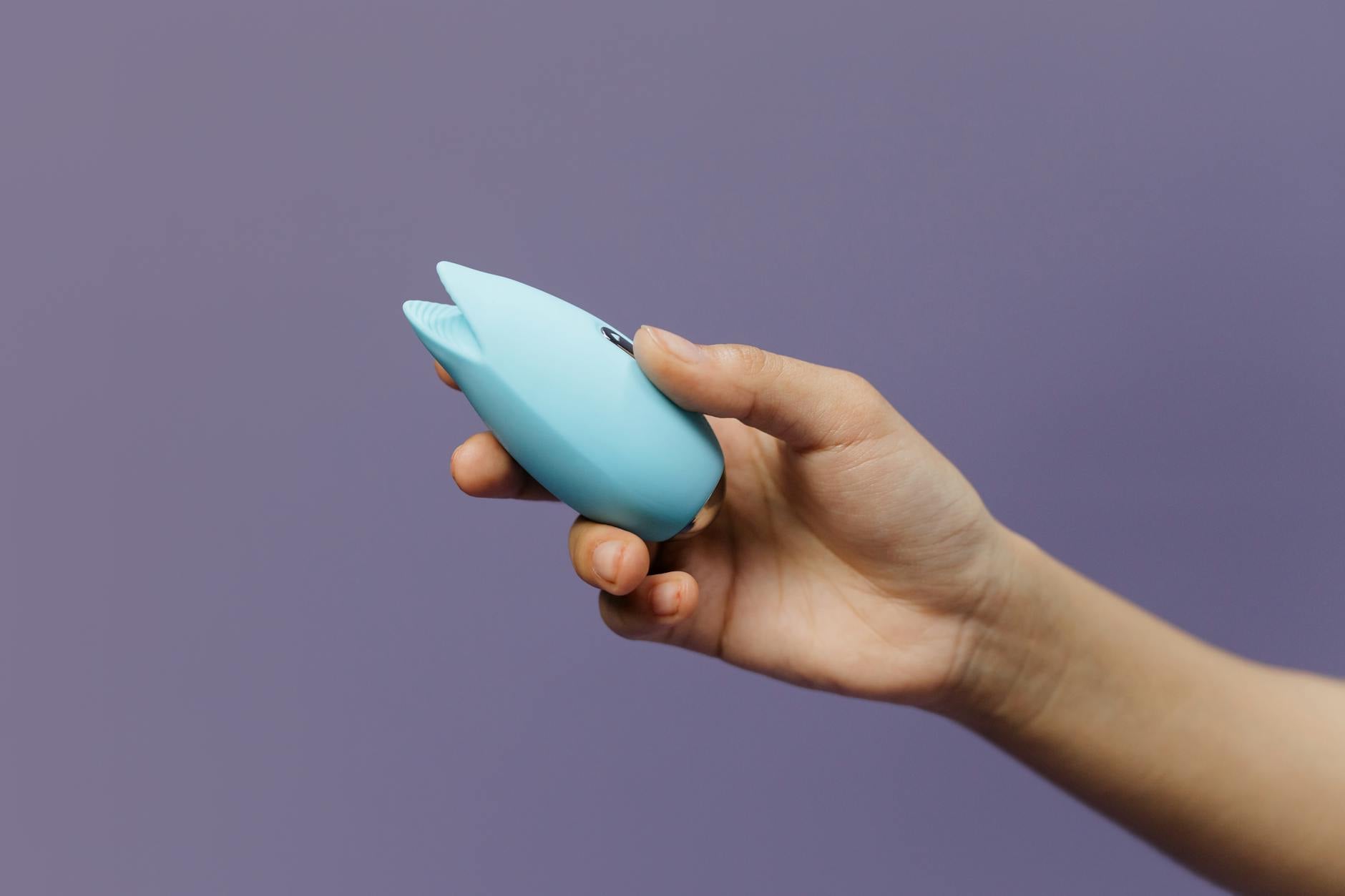
How to Use a Lemon Vibrator After Menopause When Tissue Changes Affect Sensation
The honest part about menopause and your body
Menopause changes how your clitoris responds to stimulation. It doesn't kill sensation. The distinction matters because most people hear "menopause" and assume pleasure is over. It's not. But the technique needs to shift.
Estrogen drops. Tissue thins. Lubrication decreases. Blood flow to the vulva slows. These are physical facts, not metaphors. And they're exactly why a lemon vibrator, with its air-suction technology, becomes unexpectedly brilliant post-menopause. Traditional buzzers rely on direct friction. Suction works differently. It pulls rather than pushes. For thinning tissue, that distinction is the difference between discomfort and some of the most satisfying orgasms of your life.
Why traditional vibrators become harder to use after menopause
Here's what's happening physiologically. Estrogen supports vaginal and vulvar tissue. When it drops, tissue becomes thinner and more fragile. The clitoris itself doesn't shrink, but the surrounding tissue does, and that changes how much direct stimulation feels good versus feels raw.
Traditional vibrators work by vibrating against tissue directly. Think of it like a jackhammer. If the tissue is thick and well-lubricated, that works fine. Post-menopause, the same intensity can feel abrasive or even painful. Many women report that their favorite vibrators from their 40s suddenly feel wrong in their 50s. That's not a sign your body is broken. That's just physics meeting biology.
A lemon clitoral vibrator uses air-suction technology instead. It creates gentle pulses of pressure rather than continuous buzzing. This matters enormously post-menopause because suction stimulates the nerve-rich clitoral complex without the same mechanical friction that can irritate thinner tissue. You're not grinding. You're pulling. Your tissue isn't being hammered. It's being massaged from multiple angles at once.
Lubrication strategy that actually works post-menopause
Lubricant isn't a luxury after menopause. It's a baseline. But not all lubricants are equal.
Water-based lubricants are your best option with a silicone lemon vibrator. Silicone lubes are luxurious and longer-lasting, but they can degrade silicone toys over time. Stick with water-based. Slippery Stuff, Hyalo Gyn, and Hyaluronic Acid formulas work well. The HA lubes matter here because hyaluronic acid mimics your body's natural moisture, so it feels less like "added lube" and more like you.
Don't use just a dab. Apply generously. The goal isn't subtle moisture. It's a proper barrier between your lem vibrator and your tissue. This does two things. First, it reduces friction directly. Second, it keeps the air-suction seal consistent, which means the vibrator works better. Honestly? More lube means better sensation and zero pain.
If you have significant dryness, talk to your doctor about vaginal estrogen creams or hyaluronic acid inserts. These are game-changers and they're not a sign your body is failing. They're a tool that makes everything else work better.
Starting with the right intensity setting
If you've used a lemon vibrator before menopause, your instinct will be to start where you left off. Don't. Your tissue has changed. Start lower.
Most high-quality lemon vibrators have intensity settings from 1 to 10. Post-menopause, begin at setting 2 or 3. Spend 5-7 minutes exploring that level before you increase. Your body needs time to wake up. Arousal takes longer post-menopause, not because you're less responsive, but because blood flow increases more gradually. Patience here isn't boring. It's strategic.
Once you're properly aroused (and yes, that takes intention), you can increase to settings 4-6. Most post-menopausal clients find their sweet spot in the 4-5 range. Settings 8-10 are for occasional intensity, not baseline exploration. Your tissue doesn't need convincing with force. Suction at moderate levels is genuinely more effective.
The warm-up that changes everything
Before you even touch your lemon vibrator, invest 10-15 minutes in arousal. This isn't foreplay in the traditional sense. It's priming your nervous system and your tissue.
This can look like fantasy, erotic content, touching yourself without the vibrator, or partnered touching. The goal is to trigger bloodflow to your clitoris and get your natural lubrication flowing if it's going to happen. Post-menopause, this takes longer than it used to. That's not a flaw. That's just how your body works now.
When you do introduce the lem vibrator, your tissue is prepped. It's softer. It's more sensitive to sensation rather than more numb to it. Most of my clients notice that with a proper warm-up, sensation actually increases post-menopause because they're not fighting against tissue that's still asleep.
Positioning and pressure matters more now
Post-menopause, the angle at which you use your lemon clitoral vibrator matters more than it did before. Your clitoris may sit differently now that tissue has shifted. What used to feel perfect head-on might now feel better from the side or with the vibrator angled slightly downward.
Experiment. Hold the lem vibrator perpendicular to your clitoris, then angle it slightly. The air-suction seal is flexible enough that you can shift pressure without losing contact. Use lighter pressure than you think you need. The suction does the work. Your hand is just positioning. Let the vibrator sit rather than pressing it firmly. This protects your tissue and usually feels much better.
If you have a partner, this is a good moment to communicate about what you're learning. "Lighter pressure" and "I need a different angle now" aren't criticisms of technique. They're useful information that actually makes partnered play better.
Recovery time between sessions
Post-menopausal tissue is more delicate. This means recovery matters. If you notice any redness, tenderness, or rawness after using your lemon vibrator, you need 24-48 hours before the next session. That's not a sign to stop. That's just respecting your tissue.
Most of my clients find they actually prefer having 24 hours between sessions anyway post-menopause. It extends the anticipation. It gives you time to notice what felt good and adjust technique. It keeps sensation fresh rather than routine.
If tenderness persists or gets worse, pause vibrator use and check in with a menopause-informed GP or gynecologist. Genitourinary syndrome of menopause is real and treatable. Topical estrogen, oral estrogen therapy, or systemic hormone therapy can all shift how your tissue responds to stimulation. There's no shame in that. It's just biology needing biology to fix it.
When your lemon sucker feels better than traditional vibrators
Many post-menopausal clients tell me that air-suction clitoral vibrators like the Lem feel better than any toy they owned before menopause. That's not random. Suction works particularly well on thinning tissue because it doesn't require friction. It creates sensation through pressure change and rhythmic pulling.
Your clitoris has thousands of nerve endings. They respond beautifully to suction. The Lem's gentle pulsing actually activates more of those nerve endings than buzzing does, especially post-menopause when tissue sensitivity is heightened. So even though intensity feels lower, sensation often feels richer.
This is worth knowing because it reframes post-menopause pleasure. You're not working around limitation. You're actually accessing sensation in a new way.
FAQ: What you're probably wondering about
Can I use my old vibrator if I'm post-menopausal?
You can, but you probably shouldn't at the same settings. If it's a traditional buzzing vibrator, start at the lowest setting and use plenty of lubrication. Many clients find traditional vibrators feel uncomfortable post-menopause even at low intensity. That's when switching to air-suction technology makes sense. The sensation quality is different, not lesser.
How long does it take to adjust to a new vibrator after menopause?
About 3-5 sessions. Your body needs time to learn how suction feels different from buzzing. Don't expect instant pleasure. Expect curiosity and discovery. By session four or five, most people realize this actually feels better than what they were doing before.
Is it normal to have pain during vibrator use after menopause?
No. Pain means stop and reassess. Check your lubrication. Check your intensity level. Check your warm-up time. If you fix those and pain returns, see a doctor. It might be GSM or it might be something else, but your clitoris shouldn't hurt during pleasure. That's fixable, not inevitable.
Should I use topical estrogen cream before using my lemon vibrator?
You can, but check the instructions on whatever product you're using. Some estrogen creams ask you to wait a few hours after application. Others are fine to use immediately. Ask your doctor or pharmacist specifically. Generally, a well-lubricated vibrator session doesn't conflict with topical estrogen, but timing matters.
Why does my clitoris feel more sensitive post-menopause even though arousal takes longer?
Because sensitivity and arousal are different things. Arousal is a systemic response involving blood flow and nervous system activation. Sensitivity is how responsive your nerve endings are. Post-menopause, tissue is thinner and nerve endings are actually often closer to the surface, so sensitivity goes up. Arousal takes longer because blood flow is slower. Both can be true.
Can I still use a lemon vibrator during partnered sex post-menopause?
Absolutely. This is where many couples find their deepest connection post-menopause because the pressure's off. You're not trying to prove anything. You're just exploring sensation together. Use lube, communicate about pressure and speed, and remember that foreplay takes longer now. That's not a problem. That's more time together.
The most important thing to remember
Menopause changes your body's mechanics. It does not change your capacity for pleasure. Your clitoris is not less responsive. Your nervous system is not less sensitive. Your orgasm ability is not diminished. What changed is the technique, the timing, and the tools that work best.
A lemon clitoral vibrator, designed with air-suction technology rather than traditional buzzing, often works better post-menopause than any toy you owned before. That's not a compromise. That's an upgrade. Your body isn't broken. You just needed equipment that matches where you are now.
If you're navigating post-menopause pleasure and feeling confused or frustrated, you're not alone. This transition deserves real information and permission to explore. Start with lubrication, low intensity, and genuine warm-up time. Let your body teach you what feels good. And if you hit roadblocks, reach out. Questions about technique or physical concerns about your body post-menopause deserve real answers from people who understand both the biology and the pleasure part.
You deserve pleasure that feels good. Menopause didn't take that from you. It just rewrote the instructions. And honestly? The new version is worth learning.