
Here's what nobody tells you about aging and pleasure
Your clitoris doesn't stop working as you get older. It works differently. And that difference isn't a bug. It's actually useful information if you know how to read it.
A lot of people interpret this shift as loss: "I used to come faster" or "I used to feel more." But what's really happening is more like tuning. Your nervous system, your hormones, and the way your tissues respond to stimulation are all changing together. And once you understand the pattern, you can work with it instead of against it.
Why clitoral sensitivity shifts over time
Three things are going on at the cellular level.
First, the skin on and around your clitoris gets thinner as estrogen fluctuates. This starts happening around midlife for many people, but it can begin earlier depending on hormones, medication, and individual variation. Thinner tissue isn't fragile. It's just more sensitive to direct pressure and sometimes needs a gentler approach to feel good.
Second, nerve sensitivity changes. You're not losing nerve endings. Instead, the way those nerves respond to different types of stimulation shifts. Direct friction might feel too intense now, while broader suction or gentle waves feel revelatory. This is why so many people discover that air-suction vibrators like lemon clitoral vibrators work better for them in their 40s, 50s, and beyond than they ever did with traditional vibration.
Third, blood flow patterns change. It takes longer for your clitoris to engorge with arousal, which means you need more warm-up time. Longer arousal isn't a flaw. It's actually a feature if you're willing to lean into it. Most people who reframe this as "I get to have a longer build" instead of "it takes too long" report way more satisfying sessions.
What doesn't change (and this is crucial)
Your capacity for orgasm stays intact. Your clitoral nerves don't disappear. The pathways in your brain that create pleasure don't degrade. You're not broken. You're not past your peak. You're operating from a different set of inputs.
Many of my clients report their most intense orgasms came after they stopped fighting these shifts and started working with them.
Why air-suction technology feels different as your body changes
A lemon vibrator works through gentle suction rather than direct vibration. This matters because suction stimulates nerves in a broader pattern than a vibrating point would. When tissue is thinner or more sensitive to direct friction, suction often feels better because it doesn't concentrate force in one spot.
Here's the practical difference: traditional vibrators create intense focused stimulation. That's excellent when you want it. But as sensitivity changes, you often want something that can ramp up gradually and spread sensation more evenly. A lemon clitoral vibrator does exactly that. You start on a lower setting, and the suction pattern builds gradually.
It's also reversible. If something feels too intense, you're one button away from dialing it back. You're not stuck with one intensity level.
The warm-up reality and why it's actually a gift
Let's be honest: if you've been used to faster arousal, the shift to needing 15-25 minutes of warm-up time can feel frustrating at first. But here's what happens when you stop resisting it.
You get to actually feel the stages of arousal instead of skipping past them. Your pleasure gets richer and longer. Your orgasms often end up more intense because you're not rushing to the finish line. And if you're with a partner, you get way more time to communicate what's working.
Start with 5-10 minutes of non-sexual touch. Think hands, kisses, whatever feels good with your clothes still on. Then transition to direct stimulation. Don't jump straight to your vibrator at full power. Start with your hand or a toy on a low setting, and spend time just exploring what feels good right now. Not what felt good five years ago. Now.
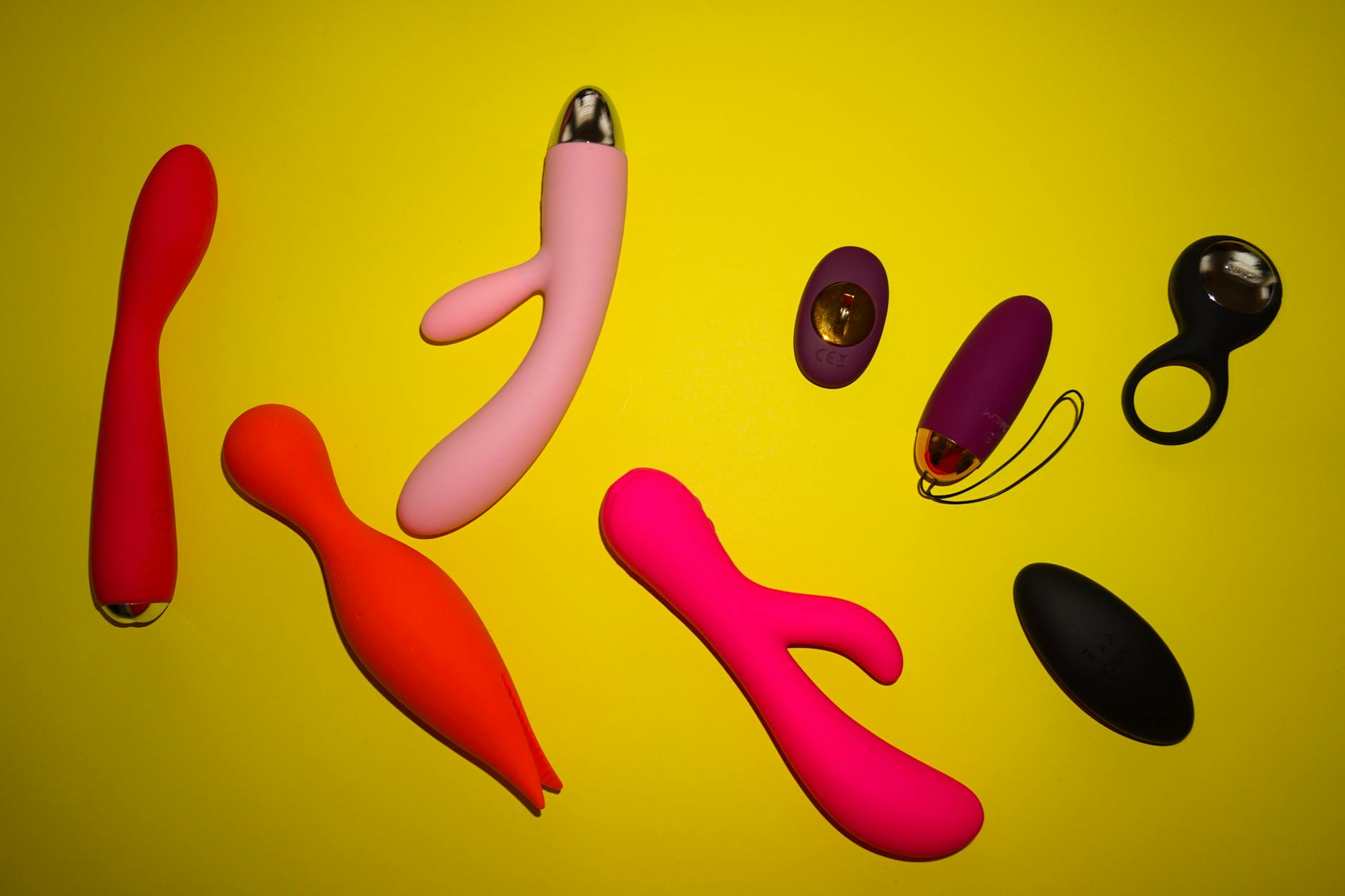
Photo by DRT.fm on Pexels
How to adjust your approach with lemon vibrators
If you're new to air-suction technology or returning to pleasure after a long gap, four shifts will make it work better for you.
Start lower than you think you need. Most people set air-suction vibrators to pattern 1 or 2 and never go higher. Your tissues are more reactive now, so intensity isn't where the magic happens. Variety in pattern and rhythm is.
Use lubrication. Water-based lube is your friend when tissue changes. It's not because anything is wrong. It's because lubrication helps suction technology work smoothly and reduces any friction irritation. Apply it liberally and reapply as needed.
Give yourself a full warm-up. Don't jump to the vibrator after 30 seconds of foreplay. Your arousal cycle is longer now, which means you get to enjoy more of it. Build the anticipation. That's not wasted time. That's the whole experience.
Pay attention to patterns, not just power. A lemon clitoral vibrator usually has 3-5 different suction patterns. Experiment with each one. Some people find gentle waves work better than steady suction. Others love pulsing. Your sensitivity has shifted, and your preferences might shift too.
When sensitivity changes feel sharp or uncomfortable
If you're experiencing pain during or after stimulation (not just a dull ache or soreness, but actual pain), that's worth mentioning to your doctor. Genitourinary syndrome can make direct stimulation uncomfortable. The treatment is straightforward, usually topical, and works really well.
If sensation just feels muted overall and isn't sharpening up with a little more warm-up time, that's worth exploring too. It could be hormonal. It could be medication side effects. It could be emotional. But none of those are permanent, and most have solutions.
The mental shift that changes everything
Here's the thing most people miss: the physical changes are real, but the story you tell yourself about those changes matters more than the changes themselves.
If you decide your body is broken, you'll experience stimulation through that lens. If you decide your body is evolving and you're learning a new language for pleasure, you'll experience the same physical sensation completely differently.
I work with a lot of people who come in convinced they've lost something. By the end of our conversations, they realize they've found something else. Different doesn't mean less. It means different. And often, once people adjust their expectations and their tools, they find that different is actually better.
Real talk about comparison
Don't compare your pleasure at 45 to your pleasure at 25. Your body is genuinely different. Your life is different. Your priorities are probably different. That's not a loss. That's growth.
A lemon vibrator is designed to adapt to how your body is responding right now, not how it used to respond. That's the whole point. You're not trying to go back. You're trying to move forward.
FAQ: Clitoral Sensitivity and Aging
Why does my clitoris feel less responsive now than it did ten years ago?
Clitoral sensitivity shifts over time due to hormonal changes, thinner tissue, and changes in blood flow patterns. This isn't degradation. It's a normal physiological shift. Your clitoris still works. It's responding to different inputs now.
Can I get my old sensitivity back?
You can't rewind your body, but you can work with what you have now. Most people find that once they adjust their warm-up time, experiment with different stimulation patterns, and use the right tools, pleasure actually feels richer than before. Different, not diminished.
Why does air-suction feel better than vibration now?
Air-suction technology stimulates nerves over a broader area instead of concentrating force in one spot. As tissue becomes more sensitive to direct pressure, suction often feels better because it distributes sensation more evenly. You can also adjust intensity gradually, which helps you find what feels good for your body right now.
How long is warm-up supposed to take at my age?
There's no "supposed to." It varies. Some people need 10 minutes. Some need 30. The shift is that it usually takes longer than it did before. Instead of fighting that, lean into it. More warm-up time often means better orgasms, not worse ones.
Should I use lubricant with a lemon vibrator?
Yes, water-based lubricant is your friend. Lubrication makes suction work smoothly and reduces friction irritation on tissue that's become more sensitive. Apply generously and reapply as needed. It's not a sign of dysfunction. It's smart maintenance.
What if stimulation hurts now instead of feeling good?
That's worth mentioning to your doctor, especially if it's new. Genitourinary syndrome or hormonal changes can make direct stimulation uncomfortable. These are treatable, usually with topical solutions that work quickly. You don't have to just live with it.
The bottom line
Your clitoris is not aging out of pleasure. It's evolving. Air-suction lemon vibrators, longer warm-up time, and a willingness to experiment with patterns instead of just power work together to create pleasure that's often richer than what came before.
Your body isn't broken. You're just speaking a new language. And once you get fluent in it, the conversation gets really good.