Here's the thing about numbness and lemon vibrators
You've probably heard it. Someone used a clitoral vibrator for a few weeks, felt less sensation, panicked, and concluded their clitoris was permanently numb. The fear is real. The permanence is not. Temporary desensitization happens with many pleasure tools, but it's reversible, predictable, and entirely preventable with the right approach.
The bad news: sensation can fade. The good news: it's not because your clitoris is broken. It's because your nervous system is incredibly adaptive.
What actually happens when sensation fades
Your clitoris contains roughly 8,000 nerve endings. That's not a typo. It's the most densely innervated part of your body. When you use a tool like the Lem, which applies sustained suction and pulse, those nerves are firing repeatedly, intensely, and in a very specific pattern. Your brain gets familiar with that pattern. Over time, the response feels muted. This is called neural adaptation, and it's not numbing. Your clitoris is still there. Your nerves are still intact. Your brain just got used to the stimulus.
Here's the crucial part: this is exactly what happens with any repeated stimulus. If you wear the same shirt every day, after an hour, you stop noticing it against your skin. Not because your skin died. Because your nervous system stopped reporting information it had already processed. Same principle, different stakes.
With lemon vibrators and other clitoral toys, the adaptation can feel sharper and more alarming because the sensation was so intense to begin with. You go from fireworks to candlelight. That shift feels catastrophic. It's not.
The difference between temporary adaptation and actual dysfunction
Adaptation: sensation returns within days to a few weeks of rest. Orgasms might be easier to reach with a lemon clitoral vibrator than without one, even after a break.
Actual desensitization: rare, usually tied to nerve damage (very prolonged or intense friction, untreated genital pain conditions, or neurological issues unrelated to toy use). Air-suction toys like the Lem are gentler on tissue than many vibrators precisely because they don't use direct friction.
If you use your lemon vibrator or other clitoral vibrators and feel a difference, you're almost certainly experiencing adaptation. That's worth celebrating, actually. It means your nervous system is doing its job. It's protecting you from stimulus overload.
How long does this actually last
Most people notice that sensitivity returns within 3 to 7 days of not using their toy. Some people report full restoration in 24 hours. A smaller group needs 2 to 3 weeks. The variability depends on genetics, baseline sensitivity, frequency of use, and whether you took breaks while using the toy.
The adaptation happens faster than you'd think. You might notice a shift after just 5 to 10 uses if you're using your lemon vibrator daily. That doesn't mean you've damaged anything. It means your nervous system was efficient. Keep using it, and you'll often find that the sensation stabilizes at a new baseline. You still orgasm, but it takes a little longer and might feel different. That's sustainable. That's normal.
The prevention strategy that actually works
Building breaks into your routine is the single most effective way to maintain consistent sensation. This doesn't mean using your Lem once a month. It means building in strategic rest days.
Here's what I recommend to clients:
Three-day rotation. Use your lemon vibrator or clitoral vibrator intensely for 3 days, then take a full day off. Your nervous system resets. Sensitivity bounces back. You come back to the toy with fresh sensation.
Alternate tools. If you own more than one toy, swap between them. The Lem uses suction. A traditional vibrator uses vibration. Your nervous system has to engage differently for each sensation, so adaptation happens more slowly across both tools.
Different patterns. Most lemon vibrators have multiple intensity levels and rhythm options. Don't camp on your favorite setting every time. Move through the full range of what your toy can do. Variety keeps the nervous system engaged and slows adaptation significantly.
Hands-on sometimes. Mixing in manual stimulation or partner touch keeps your body responding to varied sensations. This is one of the best ways to prevent the "only my toy works" trap.
Why sensation might feel different even without numbness
Sometimes what feels like numbness is actually a shift in how your clitoris responds. The Lem creates a particular type of sensation. Air-suction stimulation is different from vibration, different from direct finger touch. If you've been using an air-suction toy for weeks, direct touch might feel weaker by comparison. It's not weaker. It's just different, and your brain has been recalibrated to expect that particular flavor of input.
This is also reversible. Spend a week using only manual techniques or a partner, and your clitoris will re-sensitize to that type of touch. Your nerve endings aren't selective. They're responding. You're just used to a particular intensity.
Some people also notice that their orgasms change shape. With a lemon vibrator, you might get a faster peak and a sharper release. With hands-on play, the orgasm might build slower and feel more diffuse. Both are real. Both are valid. One isn't better than the other. Expecting them to feel identical is the trap.
What to do if sensation doesn't come back
If you've taken a break for 3 to 4 weeks and sensation hasn't improved, something else might be at play. This is rare, but worth addressing.
Check these first: Are you on medications that affect sensation (certain antidepressants, blood pressure meds, or hormonal birth control can all change clitoral sensitivity)? Has anything changed in your stress level, sleep, or relationship dynamics? Are you experiencing pain or numbness in other areas of your body? These contextual factors matter.
If the answer to all of those is no, a conversation with a sexual health specialist or gynecologist trained in sexual dysfunction is worth having. They can rule out nerve compression, hormonal shifts, or other underlying issues. In most cases, there's a straightforward explanation and a fix.
What won't help: using your lemon vibrator more frequently hoping sensation returns. That accelerates the adaptation cycle. What will help: rest, variation, and if needed, professional input.
How to sustain long-term pleasure with clitoral vibrators
Long-term successful use of a lemon vibrator or any clitoral vibrator comes down to three habits.
First: unpredictability. Don't use the same toy the same way every single time. Rotate intensities, patterns, timing, and tools. Your nervous system stays engaged.
Second: context shifts. Use your toy in different settings. Different positions. Different times of day. Different arousal states. The more variables you introduce, the less your brain can fully habituate to a single stimulus.
Third: maintenance breaks. One day off per week, minimum. Some people do one week per month. This is individual. But consistent breaks guarantee that when you return to your lemon vibrator, sensation is fresh.
If you follow these three habits, you can use a clitoral vibrator indefinitely without numbness becoming a functional problem. You might notice slight adaptation cycles, but they resolve quickly, and you stay in the pleasure.

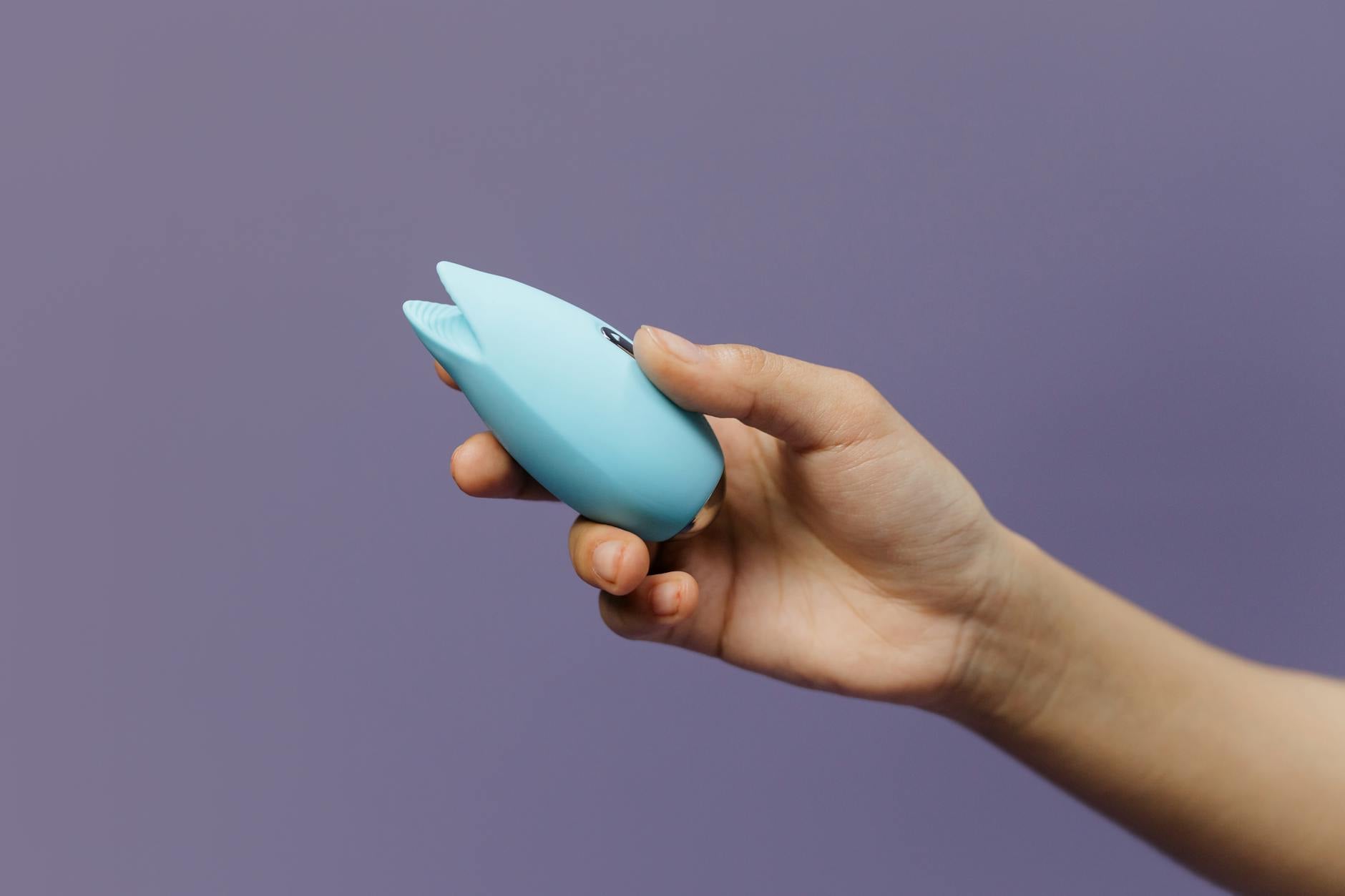
Photo by FounderTips on Pexels
Frequently asked questions about lemon vibrators and clitoral sensitivity
Can using a lemon vibrator permanently damage your clitoris?
No. Your clitoris is nerve tissue, not muscle. It doesn't tear, atrophy, or degrade from vibration or suction. The Lem and other air-suction toys apply gentler, more diffuse pressure than many traditional vibrators. Permanent damage from toy use is extraordinarily rare and would typically require severe trauma (which you'd know about immediately). What feels like numbness is neural adaptation, which reverses with time off. Actual tissue damage has a very different presentation: persistent pain, visible swelling or discoloration, or numbness that persists beyond 4 weeks despite rest.
How do I know if I have actual desensitization versus adaptation?
Adaptation: You feel less sensation with your lemon clitoral vibrator, but normal feeling returns within days to weeks of not using it. Touch from hands or a partner still registers normally. Orgasms are still possible, though they might require longer buildup. Adaptation is reversible and completely normal.
Desensitization: Sensation doesn't return after extended rest. You notice numbness in other areas of your body too. Pain accompanies any stimulation. Orgasms become difficult or impossible. This is rare with toy use alone and usually points to an underlying health factor like nerve compression, hormonal imbalance, or medication side effects. See a healthcare provider if this describes your experience.
Is it normal for my lemon vibrator to feel less intense after using it for three weeks?
Completely normal. This is neural adaptation, not a failure of the toy or your body. If you take 3 to 7 days completely off from all clitoral stimulation (including hands-on and partner touch), you'll likely find sensation returning when you pick it back up. If you want to avoid this cycle entirely, alternate between your lemon vibrator and other tools, vary the intensity settings each time, and take one full day off per week.
Can a lemon sucker toy cause permanent nerve damage?
No. Air-suction toys like the Lem are designed to avoid the direct, prolonged friction that could theoretically damage nerve tissue. The suction mechanism is gentler on delicate genital tissue than many traditional vibrators. If you experience sharp pain, unusual swelling, or bruising during or after use, stop immediately and see a healthcare provider. Those are signs of localized tissue irritation, not nerve damage. Normal sensitivity fades and returns. Pain or swelling doesn't.
How often can I safely use my clitoral vibrator without losing sensation?
There's no universal limit. Some people use a lemon vibrator daily without noticeable adaptation. Others need breaks every few days. The key variable is novelty and variation. If you use your toy the same way, at the same intensity, at the same time every day, you'll adapt faster. If you vary the intensity, use different patterns, alternate with other tools, and take one day off per week, you can usually sustain frequent use without problems. Listen to your body. If sensation feels muted, take a break. Your nervous system will reset.
Can I restore sensitivity while still using my lemon vibrator?
Yes, but not by using it more. The fastest path is to take 3 to 5 days completely off, then return with intention: use lower intensities, alternate patterns frequently, and combine it with hands-on play. Your nervous system will re-engage with the tool as you introduce novelty. You can also explore how to use a lemon vibrator with less lubrication to change the feel and sensation profile, which can help reset adaptation. Some people find that switching tools entirely for a week helps, then coming back to their lemon vibrator feels new again.
The bottom line
Your clitoris is not going numb. Your nervous system is doing exactly what it evolved to do: adapt to repeated input so you can notice new threats or opportunities. The fact that it adapts quickly to a powerful pleasure tool is actually a sign of a healthy, responsive nervous system. You're not broken. You're not damaged. You're just experiencing a normal, reversible cycle that every person who uses intense pleasure tools encounters.
The best protection is planned variation. Different tools, different settings, different timing, and strategic rest. That's not complicated. It's just intentional. And it means you get to enjoy your lemon vibrator or clitoral vibrator for years without the frustration of adaptation derailing your pleasure.
If you have questions about your specific experience or want personalized guidance, reach out to us. We're here to help.