Let's start with what actually changed
Your clitoris hasn't lost its capacity for pleasure. What's changed is the tissue thickness, nerve sensitivity, and blood flow response. If you're recovering from overuse, dealing with numbness from antidepressants, or noticing reduced sensation after hormonal shifts, the problem isn't permanent. It's a mismatch between how you're stimulating and where your body is right now.
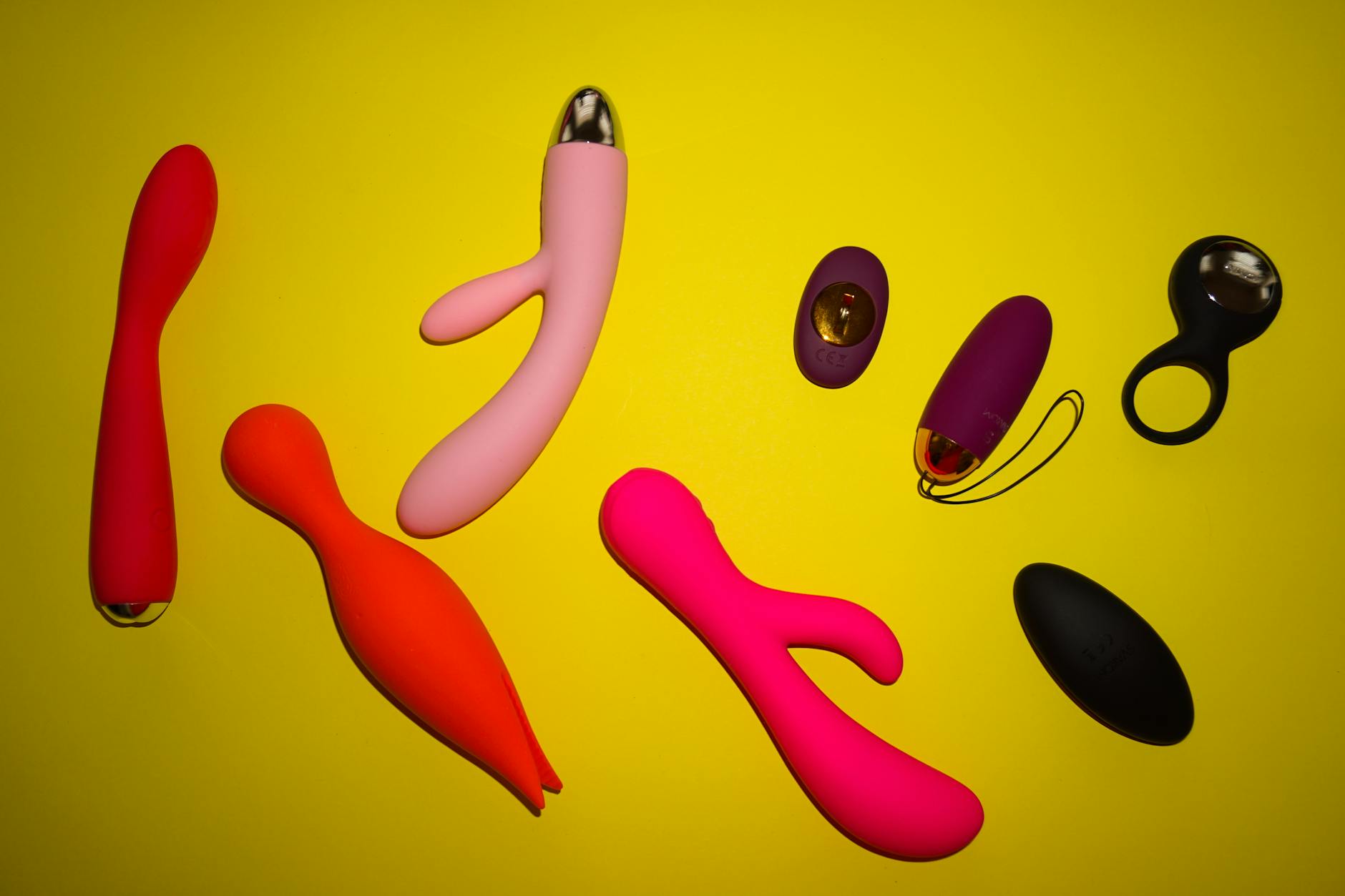
Here's the thing about air-suction lemon vibrators, like the Lemon Clitoral Vibrator: they work through gentle suction and pulsing patterns instead of direct vibration. This makes them wildly different to dial in than a traditional vibrator. And that difference is exactly why they're so effective for sensitive or numbed sensation.
Why traditional settings don't work for sensitive tissue
Most vibrators offer intensity levels 1 through 5, maybe up to 10. You crank higher, expecting more sensation, but with sensitive clitorises, higher intensity often creates pain, numbness, or a frustrating dead zone where you feel nothing at all. This is especially true if you're recovering from patterns of overuse or if your tissue is thinner than it used to be.
Lemon vibrators operate differently. Instead of vibration amplitude, they use a combination of suction strength and pulse pattern. A lower setting isn't just quieter; it's literally a different kind of stimulation. Pattern 1 on a lemon clitoral vibrator might give you sustained, gentle suction. Pattern 3 might alternate between suction and release. Pattern 5 might pulse rapidly.
The mistake most people make? Starting at pattern 3 or 4 and assuming lower patterns are "not enough." They're not less; they're different. And for sensitive clitorises, different is often exactly right.
The sensitivity audit: mapping your current sensation
Before you start adjusting settings, spend 10 minutes figuring out where your sensitivity actually is. Here's how.
Start with just your fingers (no toy yet). Touch your inner arm, your neck, your thigh. Notice what feels like nothing, what feels pleasant, what feels too much. Your clitoris should have a similar range, but it's often thrown off right now.
Now, with the lemon vibrator on the lowest setting with the gentlest pattern (usually Pattern 1), hold it nearby without full contact. Hover about half an inch away. Pay attention to whether you feel pressure, vibration, suction, or numbness. Move it slowly across the area. Does sensation change depending on where you hold it? Does your body want more contact or less?
This 10-minute audit saves you weeks of frustration. You'll know whether you need to start even lower than the minimum, use a different pattern entirely, or approach the toy in a completely different way.
The four foundational settings that work for sensitive clitorises
Pattern 1, lowest suction strength. This is your starting point if you're recovering from numbness or pain. The lemon vibrator's gentleness at this setting is genuinely remarkable. You'll barely hear it. Sensation-wise, you might feel more pressure than vibration. Many people find this pattern meditative and grounding. Spend 20 to 30 minutes here if you need to. Your nervous system is recalibrating.
Pattern 3, lowest suction strength. Once Pattern 1 feels familiar (usually after 3 to 5 sessions), try Pattern 3. This one pulses in a rhythm that mimics some natural arousal patterns. It's more dynamic than Pattern 1 without being intense. The spacing between pulses gives your tissue time to recover between each one.
Pattern 2, mid-range suction. This is where many people land once their sensitivity returns. Pattern 2 usually offers a steady, medium pulse. Mid-range suction gives you presence without aggression. It's the setting where pleasure starts feeling less clinical and more actually, well, pleasurable.
Patterns 4-5, mid-range suction. These are your go-to once you're confident in your sensitivity baseline. Pattern 4 and 5 are faster, sometimes with randomized rhythms. They build sensation more quickly but don't require you to tolerate extreme intensity. Many people find Pattern 5 hits an orgasm sweet spot without the bruised-feeling aftermath that traditional vibrators sometimes leave.
Why you might need to start even lower than the minimum
If you're coming back from clitoral numbness due to antidepressants, extended overuse, or hormonal shifts, Pattern 1 on lowest suction might still be too much initially. That's not a failure. That's useful data.
In that case, here's what works: hold the lemon vibrator just barely touching the clitoral hood (the fold of skin above the clitoris itself). Not the clitoris directly. Not even close. The sensation travels, and starting one layer of tissue away lets your nerve endings wake up without overwhelming them.
Or use it through underwear or a thin fabric. Seriously. The diffusion softens the sensation enough that your clitoris can register pleasure instead of pressure. Do this for 3 to 5 sessions, then gradually move to direct contact. Your tissue will thank you.
The suction question: strength versus comfort
Suction strength is separate from pattern. You can have Pattern 1 on low suction or high suction. You can have Pattern 5 on low suction or high suction. They're independent controls.
For sensitive clitorises, here's the hierarchy: start with the lowest suction setting regardless of pattern. Suction is powerful. It's meant to draw tissue and increase stimulation. A sensitive clitoris doesn't need suction to be aggressive; it needs suction to be consistent and predictable.
Many people assume they need to increase suction to feel more. Actually, the better move is to increase pattern complexity while keeping suction gentle. Pattern 1 on low suction feels like steady pressure. Pattern 5 on low suction feels like rapid, rhythmic pulsing. Both are present without being harsh.
If you've been using the same lemon vibrator for months and sensation is fading again, don't immediately crank the suction. Try a new pattern first. Your body adapts to rhythms. Switching patterns interrupts that adaptation cycle.
Timing and session length for sensitive tissue
One thing that's often overlooked: how long you spend matters as much as the setting you choose.
With a sensitive clitoris, 40-minute sessions with Pattern 1 can actually increase numbness by the end. Your tissue gets fatigued. It stops responding. This feels like you need to turn it up, but you actually need to stop, rest, and come back tomorrow.
Instead, do shorter, focused sessions. 15 to 20 minutes with Pattern 1 or 2. Stop while you still feel sensation. Your goal isn't an orgasm necessarily; it's reminding your clitoris that pleasure is possible. Build that neural pathway consistently. After a week or two, sessions naturally get longer because your sensitivity rebounds.
If you're using a lemon vibrator like the Lemon Clitoral Vibrator during partner play (where you're not solely in charge of the timing), communicate clearly: "I need you to start at Pattern 1 for the first 10 minutes." Specific numbers beat vague descriptions like "gentle" or "slower."
When to add movement, and when to stay still
A lot of people think vibrator technique means moving it around. For sensitive clitorises, the opposite is often true.
Start completely still. Press the lemon vibrator gently against the clitoris, hold it steady, and let the pattern do the work. This gives your nervous system a clear, predictable signal. Your body knows exactly what to expect.
Once you're in the session (usually after 5 to 10 minutes), you can start experimenting with micro-movements. Tiny circles. Side-to-side motion barely an inch wide. Up-and-down along the clitoral shaft. But these movements should feel like an addition, not the main event.
Sensitive clitorises often respond better to pattern and pressure variation than to movement. The movement is seasoning, not the meal.
The post-session protocol for sensitive tissue
After you finish, the clitoris is temporarily engorged and hypersensitive. Any continued stimulation now feels sharp or numb instead of pleasurable. This is normal. It's your tissue's way of signaling it's done.
Stop completely. Don't fidget, don't keep exploring. Let it rest. This recovery window lasts 10 to 30 minutes depending on how much stimulation you used. During this time, the tissue becomes less sensitive (not more), which is why immediately reaching for higher settings seems logical but backfires.
The next day, or even later that evening, return to a low-intensity session. Your sensitivity will have normalized and actually improved. This is how you rebuild sensation sustainably.
Troubleshooting: when nothing feels right
If you've tried all four foundational patterns at the lowest suction and nothing registers, two things might be happening.
First, it could be neurological numbness (from antidepressants or hormonal shifts) rather than tissue sensitivity. In that case, you may need topical support. A prescription cream like topical estrogen (if it's hormonal) or a topical anesthetic first (to reset the nerve pathway) can help. Talk to your doctor before adding anything new.
Second, it could be mental. Anxiety, distraction, or performance pressure kills sensation faster than anything. If you're tense and monitoring yourself ("Am I feeling it yet?"), you won't. Try a guided audio or meditation before your session. Let your brain settle. Sensation returns when you're not hunting for it.
If lemon vibrators still aren't working after two weeks of consistent use at the lowest settings, it's worth having a check-in with a healthcare provider who's familiar with sexual health. Sometimes numbness signals something that needs professional attention.
FAQ: common questions about lemon vibrator settings for sensitive clitorises
How long does it take for numbness to improve with a lemon vibrator?
Most people notice a shift within one to two weeks of consistent use at low settings. You're not looking for dramatic overnight change; you're looking for slight improvements in sensation week to week. After a month of intentional low-intensity sessions (3 to 4 times per week), people with medication-related or overuse-related numbness often report noticeably returned sensation. Hormonal numbness takes longer, sometimes 6 to 8 weeks, because it's tied to tissue regeneration.
Can I use lemon vibrators if my clitoris hurts to touch?
Pain is different from numbness, and it needs a different approach. If direct clitoral touch hurts, start with the vibrator on the clitoral hood or the surrounding vulva. Work sideways, not directly. If pain persists after a few sessions, see a healthcare provider. Pain during arousal can signal inflammation, infection, or nerve irritation that deserves professional evaluation. Don't push through pain with a toy.
Should I use lubricant with a lemon clitoral vibrator on sensitive tissue?
Yes. Water-based lubricant reduces friction and can make low-intensity settings feel more comfortable. It also helps if you're using the vibrator through underwear or fabric at first. The lube creates a smoother interface. Use a small amount; too much reduces the suction effect. You're not trying to eliminate all pressure, just smooth it out.
What's the difference between sensitivity loss from overuse versus hormonal causes?
Overuse numbness responds quickly (two to four weeks) when you drastically lower intensity and increase rest between sessions. Your tissue is fatigued, not damaged, so recovery is fast. Hormonal numbness is slower to respond because the tissue itself is thinner or less engorged. You're waiting for hormonal changes (or medical intervention like topical estrogen) to shift the baseline tissue quality. If you're not sure which you have, try the low-intensity protocol consistently for one month and observe your trajectory. Overuse will improve noticeably; hormonal will improve more gradually.
Can I combine lemon vibrator settings with partner stimulation?
Absolutely. In fact, low-intensity solo sessions often translate beautifully to partnered play. Use the lemon vibrator on the lowest pattern and suction while a partner provides manual stimulation elsewhere. Start with the vibrator still and let your partner create the movement. This separation of sensation sometimes reawakens numbness faster than the vibrator alone. Communicate clearly about settings and timing so your partner isn't second-guessing.
Is it normal for Pattern 1 to feel too intense at first?
Completely normal. If Pattern 1 feels overwhelming, hold the vibrator half an inch away instead of direct contact. Use it through underwear. Or hold it on the clitoral hood rather than the clitoris itself. You're not weak or broken; you're just calibrating for where your body is right now. Within one to two weeks of this gentler approach, you'll likely tolerate direct contact on Pattern 1. Patience now pays off in faster overall recovery.
The long view: rebuilding sensation as a practice
Sensitivity returns when you stop chasing it. The lemon vibrators work for sensitive clitorises because they're precise, adjustable, and gentle enough to rebuild trust between your body and pleasure. Pattern 1 on low suction isn't "not enough." It's exactly enough. It's the baseline you build from.
Start there. Stay there for as long as you need. Watch sensation gradually return over weeks. Then, when you're ready, explore the other patterns. Your clitoris will tell you what it wants. You're just learning to listen in a language your body understands right now.